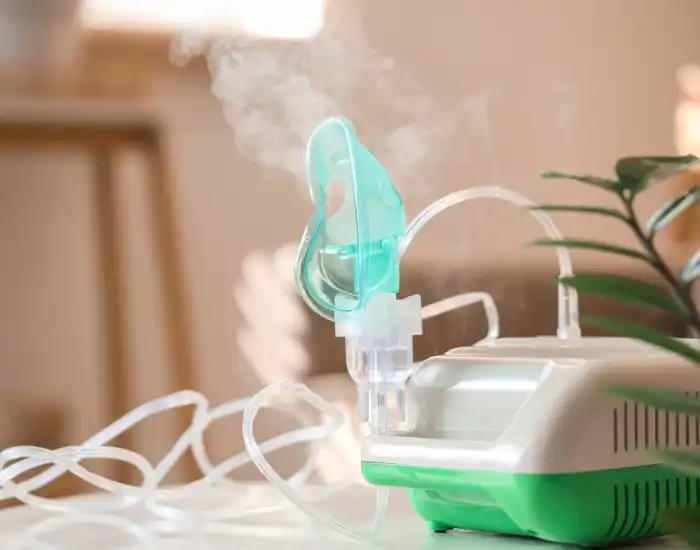
Heart Disease Hospice: Comfort-focused care when it matters most
Start in 24–48 hours — compassionate hospice care for advanced heart disease and heart failure in Sugar Land, Houston, and nearby communities.
Quick definition
Hospice for heart disease is comfort-focused, interdisciplinary care that manages breathlessness, pain, fatigue, and anxiety when curative treatment is no longer the goal. It prioritizes comfort, dignity, and family support.
- Assess symptoms and goals of care
- Create a comfort-focused plan
- Manage pain and breathlessness
- Coordinate meds and device decisions
- Support family and caregivers
What is heart disease hospice?
Heart disease hospice offers home-based and facility-based hospice support for people with advanced cardiac conditions such as end-stage heart failure, refractory angina, severe arrhythmias, and cardiomyopathy. The care team focuses on symptom relief and quality of life rather than curative interventions.
Hospice teams coordinate with cardiologists and primary care providers to ensure medical decisions match the patient’s goals and comfort priorities.
How hospice helps people with advanced heart disease
Hospice for heart disease eases the physical and emotional burden of advanced cardiac illness. Care includes symptom control (breathlessness, fluid overload, chest discomfort), medication review, device counseling, caregiver training, and emotional support.
Hospice can reduce avoidable hospital visits and helps families plan practical steps as the illness progresses.
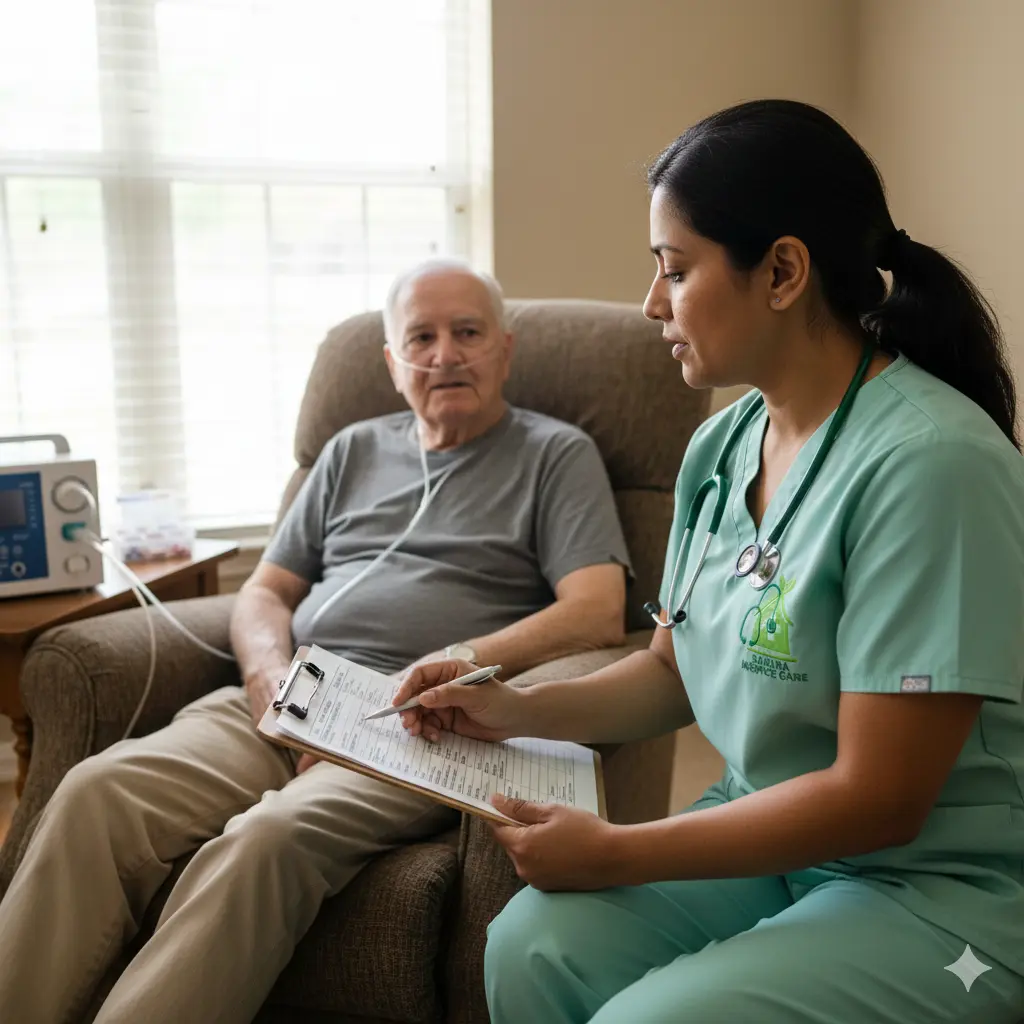
Who is on a heart disease hospice team?
The interdisciplinary team usually includes a hospice physician or medical director, registered nurses, hospice aides, social workers, chaplains, pharmacists, and trained volunteers. Nurses and the director of nursing coordinate clinical care and caregiver teaching at home.
Understanding when to choose hospice for heart disease
Consider hospice when symptoms worsen despite appropriate treatment, daily activities decline, or hospital admissions increase. Early conversations about goals of care help families avoid crisis-driven decisions.
Caregivers should gather current medication lists, device records (ICD/pacemaker), and recent discharge summaries to speed hospice intake.
Practical steps for caregivers and nurses
1) Discuss goals with the cardiology team. 2) Prepare a symptom list for the hospice intake. 3) Ask about device management (ICD/pacemaker). 4) Request caregiver training for breathing techniques and safe transfers. 5) Use respite support when you need rest.
These steps make transitions smoother and reduce emergencies.
Mini case studies / realistic testimonials
Mrs. R., 78 — Sugar Land (6 weeks)
Before hospice: repeated nighttime admissions for fluid overload and breathlessness. After 6 weeks: nursing visits, adjusted diuretics, oxygen at night, and caregiver training — no further hospital readmissions; family reports calmer days.
Mr. K., 69 — Houston suburb (3 weeks)
Before hospice: frequent ICD shocks and severe fatigue. After 3 weeks: device counseling with cardiology, medication adjustments, and improved symptom control — more meaningful family time and better sleep.
Your Most Important Questions — Answered With Care
What does hospice do for someone with heart disease?
Hospice controls symptoms (breathlessness, pain, swelling), coordinates care, and provides emotional and spiritual support to the patient and family.
Can hospice manage shortness of breath from heart failure?
Yes. Nurses use medications, oxygen (when helpful), airflow techniques, and caregiver coaching to ease breathlessness at home.

Will hospice stop heart medications?
Not automatically. Hospice reviews medicines and keeps those that provide comfort while stopping or simplifying medicines that no longer support comfort.
How quickly can hospice start?
Many providers, including Sahara Hospice, can start services within 24–48 hours after eligibility and intake paperwork are complete. Early start reduces crises.
Is hospice covered by Medicare for heart disease?
Medicare covers hospice for eligible patients with advanced heart disease. Coverage typically includes nursing, medications for symptom control, social work, and spiritual care. Check your plan details.
Local support — Sahara Hospice in Sugar Land & Houston
If you are a caregiver, nurse, or director of nursing supporting a loved one with advanced cardiac disease, Sahara Hospice provides fast-start home assessments and coordinated care alongside your cardiology team. Our focus remains on comfort, dignity, emotional support, and clear guidance for families.
Call to Book a Local Intake
Call Sahara Hospice — (281) 245-9977
Sahara Hospice140 Eldridge Rd, Suite B1
Sugar Land, TX 77478
info@saharahospicecare.com
Learn more from the American Heart Association: heart.org.
Safety & legal note
Educational content only; follow clinician’s individualized plan; call 911 for emergencies.
Our location (Sugar Land)
Author: Alan Jacob — Medical Writer. Primary locale: Sugar Land, Houston & surrounding areas. Primary action: Call Sahara Hospice at (281) 245-9977 to schedule a local intake and home assessment.