How Palliative Care Help With Pain Management: Relief, Comfort, Control
Introduction
Does palliative care help with pain management? Yes—palliative care is designed to reduce pain, ease symptoms, and improve daily comfort for people living with serious illness. For patients in Sugar Land, Houston, and nearby areas, palliative care can often begin within 24–48 hours, even while curative treatments continue. Caregivers, nurses, and DONs rely on palliative teams to stabilize pain quickly while supporting both patient and family.
How Palliative Care Manages Pain
Palliative care helps with pain management by combining medical expertise, personalized medication plans, non-drug therapies, and continuous monitoring. Care begins early, adapts as symptoms change, and focuses on comfort, function, and dignity at every stage of illness.
What Does “Does Palliative Care Help With Pain Management” Really Mean?
When people ask does palliative care help with pain management, they are usually facing uncontrolled pain despite treatment. Palliative care focuses on relief, not prognosis. It works alongside oncology, cardiology, neurology, or primary care to address pain caused by cancer, organ failure, neurological disease, or advanced chronic illness.
Unlike standard symptom treatment, palliative care looks at the whole picture. It considers physical pain, emotional distress, medication side effects, sleep disruption, and caregiver strain—all of which influence pain levels.
How Does Palliative Care Help With Pain Management at Home?
Pain management in palliative care follows a structured, evidence-based approach:
- Comprehensive pain assessment using validated scales
- Individualized medication plans, including opioid and non-opioid options
- Non-pharmacological therapies such as positioning, relaxation, and gentle mobility
- Ongoing reassessment to prevent breakthrough pain
- Caregiver education to ensure safe, effective pain control at home
Because care is continuous, adjustments happen quickly. This is especially valuable for home-based patients in Sugar Land and Houston who want to avoid unnecessary ER visits.
How Sahara Palliative Care Helps With Pain Management
At Sahara Hospice Care, palliative services are delivered by an interdisciplinary team experienced in complex pain control. Patients benefit from:
- Physician-guided pain protocols
- Skilled nursing visits focused on symptom relief
- Medication coordination to reduce side effects
- Emotional and spiritual support that lowers pain perception
- Close communication with referring physicians
Sahara’s palliative care helps stabilize pain while preserving alertness, mobility, and quality of life—goals that matter deeply to caregivers and clinical staff.
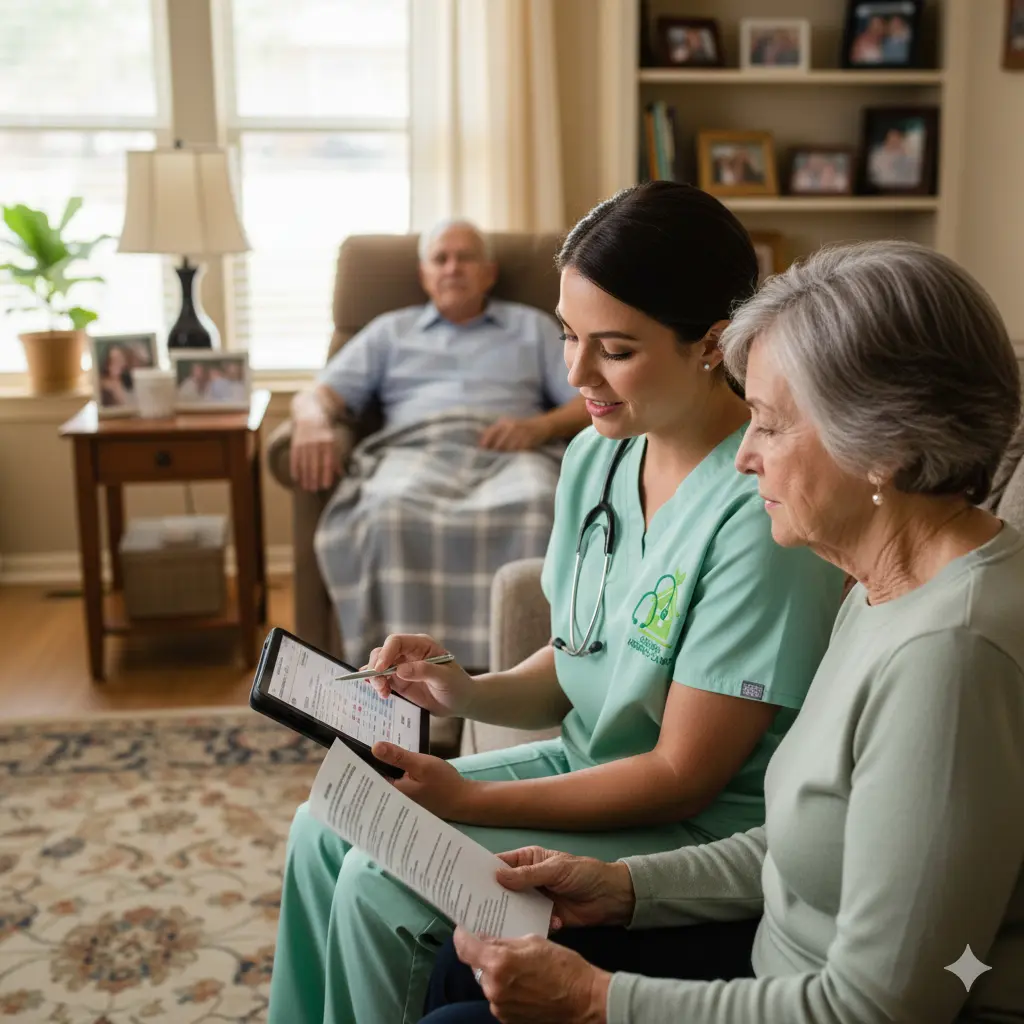
Working With a Palliative Care Team: What Caregivers Should Expect
Caregivers often worry about “too much medication.” However, palliative care emphasizes balance. Pain is controlled while avoiding unnecessary sedation whenever possible. Nurses and DONs appreciate clear documentation, measurable outcomes, and consistent follow-up.
According to the National Institute on Aging, palliative care improves symptom control and patient satisfaction when integrated early in serious illness care. Learn more from the National Institute on Aging
Mini Case Studies: Realistic Pain Relief Outcomes
Case 1: Advanced Cancer Pain
Before palliative care: Pain score 8/10, frequent nighttime awakenings.
After 7 days with Sahara palliative care: Pain reduced to 3/10, improved sleep, fewer PRN medications.
Case 2: Heart Failure With Chronic Pain
Before palliative care: Daily discomfort, poor medication tolerance.
After 14 days: Pain stabilized, fewer side effects, improved mobility at home.
Other Benefits of Palliative Care Beyond Pain Relief
While pain control is central, palliative care also helps with:
- Shortness of breath
- Fatigue and weakness
- Anxiety and depression
- Care coordination and advance planning
As symptoms improve, patients often regain appetite, energy, and engagement with loved ones.
Should You or a Loved One Consider Palliative Care?
If pain persists despite treatment, or if side effects limit daily life, palliative care is appropriate—at any stage of serious illness. Importantly, palliative care does not mean giving up treatment. Instead, it enhances comfort while other therapies continue.
For caregivers and clinical leaders, early referral leads to better symptom control and fewer crises.

FAQs: People Also Ask
Does palliative care help with pain management better than standard care?
Yes. Palliative care specializes in complex pain and adjusts treatment continuously, often achieving better control.
Can palliative care be provided at home?
Yes. Home-based palliative care is common and effective, especially for patients with mobility limits.
Is palliative care only for cancer patients?
No. It helps patients with heart failure, COPD, neurological disease, and other serious conditions.
Will pain medications cause addiction?
When managed correctly, medications are used safely to relieve pain, not to cause dependence.
How quickly can pain relief begin?
Many patients experience improvement within days once palliative care starts.
Why choose Sahara Hospice Care in Sugar Land and Houston?
If you’re asking does palliative care help with pain management, Sahara Hospice Care is here to help.
Call Sahara Hospice Care today : 281-245-9977
Or Visit at 140 Eldridge Rd, Suite B1, Sugar Land, Texas 77478
To Book an Appointment visit at https://saharahospicecare.com/contact-us/
YMYL Safety Disclaimer
Educational content only. Follow a clinician’s individualized care plan. Call 911 for medical emergencies.
Find us on Google Map
Author: Alan Jacob — Medical Writer.
Primary locale: Sugar Land, Houston & surrounding areas.
Primary action: Call Sahara Hospice at (281) 245-9977 to schedule a local intake and home assessment.