When Calm Feels Impossible: What Is Terminal Restlessness — 24/7 Hospice Support
What is terminal restlessness? It is a distressing end-of-life condition marked by agitation, confusion, anxiety, or repetitive movements that often appear in the final days or weeks of life. Sahara Hospice Care provides 24/7 in-home support across surrounding communities, offering the many benefits of in-home hospice care in Houston. Our experienced nurses manage symptoms and bring comfort—day or night—ensuring peace for both patients and their families.
Quick Facts for Families
- Terminal restlessness is common near the end of life and is not your fault as a caregiver.
- Symptoms may include agitation, pulling at sheets, confusion, or sudden anxiety.
- Available 24/7: Our team comes to your home anytime, day or night.
- Prompt hospice care can significantly reduce distress for both patient and family.
What Is Terminal Restlessness?
Terminal restlessness—also called terminal agitation or restlessness—is a form of delirium that can occur as the body begins to shut down. Families often ask about the management of terminal restlessness because the symptoms can appear suddenly and feel frightening.
- Inability to relax or stay still
- Confusion, hallucinations, or talking to people not present
- Reaching or picking at clothes or bedding
- Sudden fear, anger, or emotional distress
Many families ask what the best way to manage terminal restlessness delirium is. The answer is compassionate, timely medical symptom control—ideally delivered in the comfort of home. Causes may include organ failure, medication changes, infection, pain, or decreased oxygen to the brain.
At Sahara Hospice Care, we focus on comfort first—reducing agitation, easing fear, and supporting loved ones through every step.
What Causes Terminal Restlessness?
The contributors to terminal restlessness can’t always be pinpointed, but some known factors include:
- Pain or discomfort
- Shortness of breath
- Fever
- Underlying infection
- Medication side effects (especially anticholinergics)
- Constipation
- Inability to empty one’s bladder
- Unmet physical needs (hunger, thirst, being soiled)
- Over- or under-stimulation
- Emotional or spiritual distress
- Natural changes as body systems shut down
How Sahara Hospice Manages Terminal Restlessness
- Immediate Phone Assessment (24/7): Call 281-245-9977 anytime.
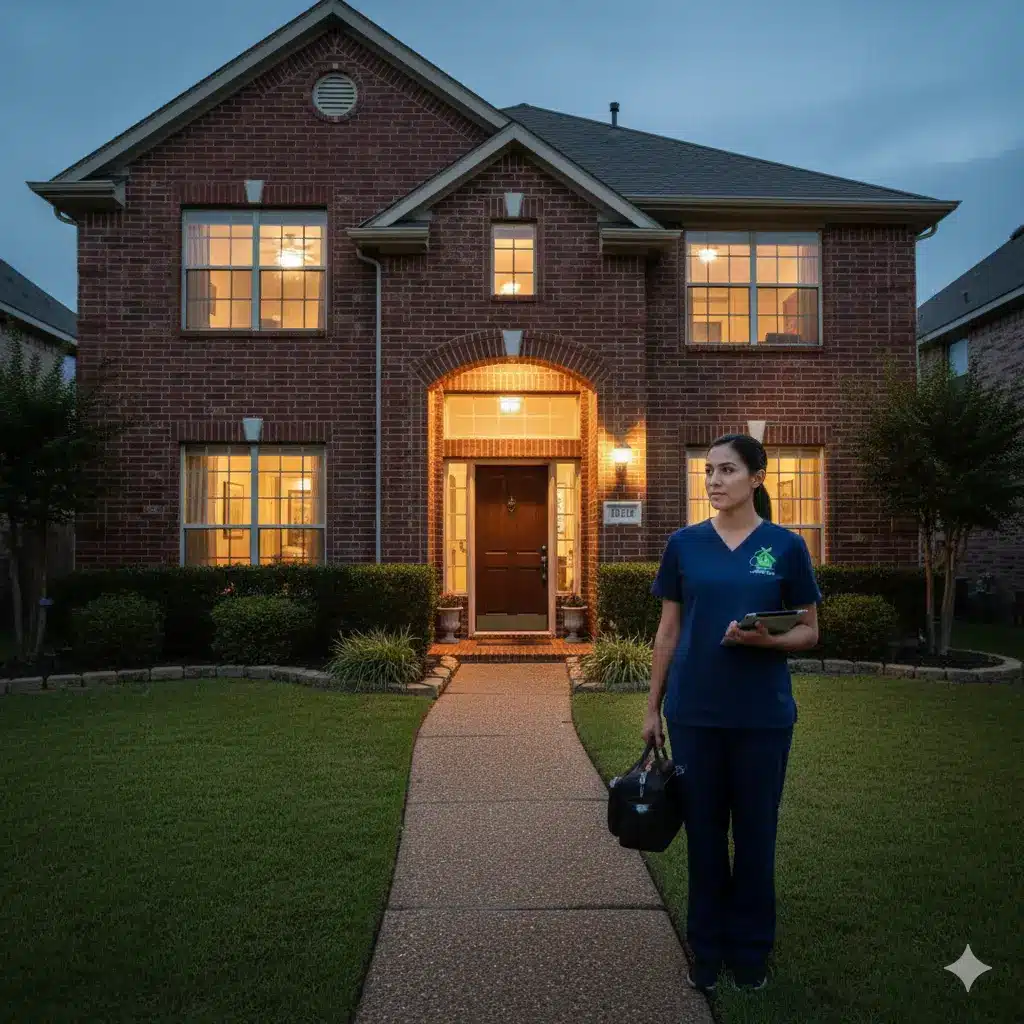
- Rapid In-Home Visit: A nurse comes to your home across our service areas.
- Medical Symptom Control: Medication adjustments coordinated with the hospice physician.
- Calm Environment Setup: Lighting, positioning, reassurance.
- Family Guidance: Clear explanations and emotional support.
- Ongoing Monitoring: Continuous on-call and follow-up care.

Real Experiences From Families We’ve Helped
A Family Struggling With Sudden Agitation
A daughter caring for her father near a local hospital called us in tears. He had been calm earlier that day, but by evening he became restless and confused. Within an hour, our hospice nurse arrived, adjusted comfort medications, and reassured the family. By midnight, the room was calm again.
A 2 AM Visit Made All the Difference
One night, a call came in when terminal restlessness escalated suddenly. Our night nurse arrived at 2 AM, provided medication support, repositioned the patient, and stayed until agitation eased. The spouse later said, “I didn’t feel alone anymore.”
Insurance & Eligibility
Hospice care for terminal restlessness is typically covered by Medicare, Medicaid, and most private insurance plans. Sahara Hospice Care manages all paperwork and insurance coordination so families can focus on their loved one.
For national guidance, visit the National Council on Aging (NCOA).
Frequently Asked Questions
Do you provide terminal restlessness care at home?
Yes. Sahara Hospice Care provides 24/7 in-home hospice services across multiple surrounding communities.
Is terminal restlessness painful?
It can be distressing, but hospice care focuses on comfort and symptom relief.
How long does terminal restlessness last?
It varies. Some experience it briefly, others need ongoing management.
Can terminal restlessness be prevented?
While it cannot always be prevented, careful monitoring and a calm, supportive environment can help lessen its intensity.
What is the best way to manage terminal restlessness at home?
Professional hospice care, medication management, and a calm environment are essential resolutions for the chronic and terminally ill, helping ensure comfort and dignity in the final days.
How is Terminal Agitation Treated?
When someone experiences terminal agitation, the focus is on comfort and symptom management rather than curing the condition. Every patient is different, so care is tailored to their needs.
Medical Approaches
- Adjusting medications or dosages
- Treating any underlying causes of agitation
- Administering sedatives or antipsychotic medications if needed
Non-Medical Approaches for Comfort
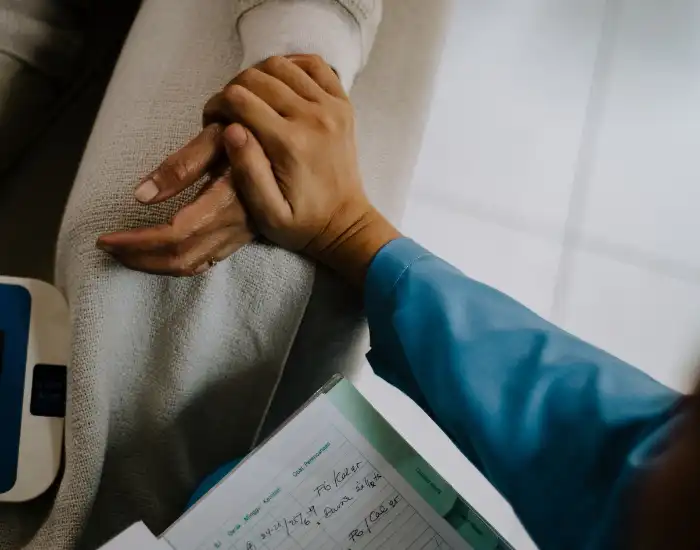
- Holding their hand for reassurance
- Gentle leg or foot massages with lotion or oil
- Playing calming music
- Reading aloud to them
- Adjusting their position for comfort
- Speaking in a calm, gentle manner
The goal is always to reduce distress, promote calm, and support both the patient and their family during this challenging time.
Should I call 911?
Patients should call 911 first during emergencies.
Care Doesn’t Stop at 5 PM — And Neither Do We
Our compassionate team provides trusted in-home hospice care and is available 24/7 to support families across all our service areas.
24/7 Helpline: 281-245-9977
HQ: 140 Eldridge Rd, Suite B1, Sugar Land, TX 77478
Email: info@saharahospicecare.com
Book a Consultation: Contact Us
Medical Disclaimer
Content for educational purposes only. Always consult a physician. Call 911 for emergencies.
Find us on Google Map
Author: Alan Jacob — Medical Writer.
Primary locale: Sugar Land, Houston, Katy, Richmond, Pearland, Missouri City, Stafford, Cypress & surrounding areas.
Primary action: Call Sahara Hospice at (281) 245-9977 to schedule a home assessment.