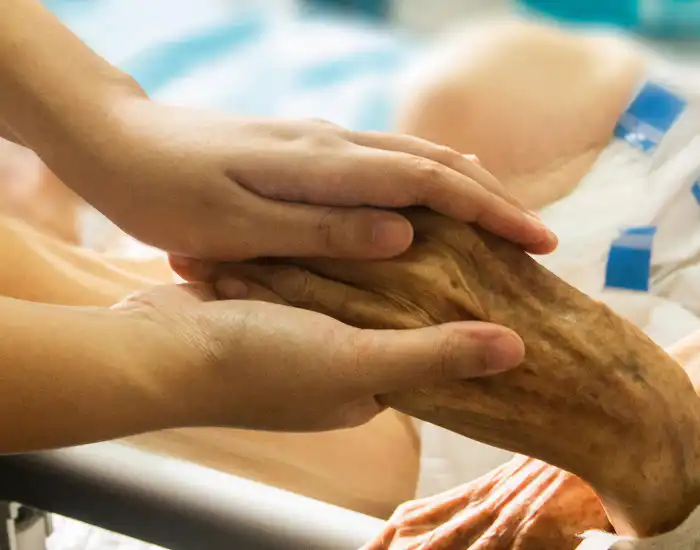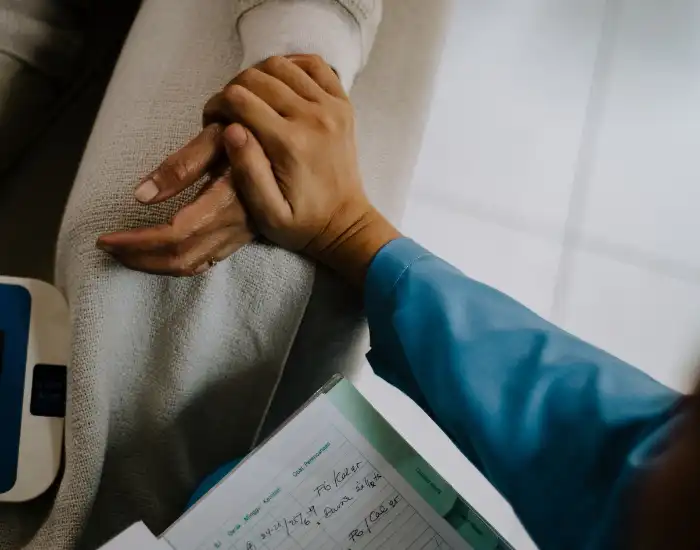
Watching a loved one face a terminal illness can be emotionally challenging. Families often worry, “Are they comfortable?” or “How can I help ease their suffering?” End-of-life care is not just about medical treatment—it’s about providing comfort, preserving dignity, and supporting both the patient and family emotionally.
Effective management of pain and other symptoms is at the heart of hospice care. By addressing physical discomfort, emotional distress, and spiritual concerns, families can focus on meaningful moments rather than the challenges of illness.
This guide explores how families can recognize and manage common end-of-life symptoms, practical strategies for comfort, and how Sahara Hospice Care provides compassionate support throughout this journey.
Table of Contents:
- Understanding Pain and Symptoms at the End of Life
- The Importance of Symptom Management in Hospice Care
- Common Physical Symptoms and How to Address Them
- Emotional and Psychological Challenges
- Spiritual and Holistic Support
- Practical Steps for Families to Manage Symptoms at Home
- Medications and Medical Interventions
- When to Seek Additional Help
- How Sahara Hospice Care Supports Patients and Families
- Frequently Asked Questions
- Closing Reassurance
1. Understanding Pain and Symptoms at the End of Life
Pain and discomfort at the end of life can manifest in many ways. These symptoms are often a result of disease progression, treatments, or natural body changes. Common issues include:
- Physical pain (from illness, injury, or medical procedures)
- Fatigue and weakness
- Shortness of breath or breathing difficulties
- Nausea, loss of appetite, or difficulty swallowing
- Anxiety, depression, or emotional distress
Recognizing these symptoms early allows families and hospice professionals to implement interventions that improve comfort and quality of life.
2. The Importance of Symptom Management in Hospice Care
Effective symptom management is a core principle of hospice care. By addressing discomfort promptly:
- Patients experience greater physical comfort
- Families feel less stress and anxiety
- Emotional and spiritual well-being is preserved
- Time spent together becomes more meaningful
Hospice care does not seek to cure terminal illness but focuses on enhancing quality of life and maintaining dignity in the patient’s final days.
3. Common Physical Symptoms and How to Address Them
Pain
Pain is one of the most common end-of-life symptoms. It can be chronic, acute, or intermittent. Managing pain often requires:
- Medication adjustments, including opioids, non-opioids, or topical treatments
- Non-medical approaches such as massage, heat/cold therapy, or relaxation techniques
- Frequent monitoring to ensure comfort levels are maintained
Breathing Difficulties
Shortness of breath or labored breathing can cause anxiety for both patients and families. Hospice care can help with:
- Oxygen therapy or medications to ease breathing
- Positioning techniques to improve lung expansion
- Calm and reassuring guidance for families during breathing episodes
Fatigue and Weakness
Terminal illness can cause extreme tiredness or inability to move independently. Strategies include:
- Gentle exercise or stretching if possible
- Assistance with daily tasks such as bathing, dressing, and mobility
- Scheduled rest periods to conserve energy
Digestive Issues
Nausea, vomiting, constipation, or loss of appetite are common. Interventions may include:
- Medication to reduce nausea
- Small, nutrient-rich meals and hydration support
- Adjusting diet according to patient preference
Sahara Hospice Care’s personalized comfort care plans ensure these symptoms are carefully monitored and addressed.
4. Emotional and Psychological Challenges
Emotional suffering often accompanies physical discomfort. Patients may experience:
- Anxiety or fear about death
- Depression or sadness
- Withdrawal from family and friends
- Confusion or agitation
Hospice care addresses these challenges by offering:
- Counseling and emotional support
- Guided communication for families
- Validation of feelings and fears
- Calm, reassuring presence from trained caregivers
Families are also supported in navigating difficult conversations, ensuring the patient’s emotional needs are respected and honored.
For support with emotional well-being, see Sahara Hospice Care’s grief support groups.
5. Spiritual and Holistic Support
Spiritual care is a vital part of symptom management. Patients may seek meaning, closure, or comfort in their faith. Hospice care can include:
- Visits from chaplains or spiritual counselors
- Guidance on religious rituals or end-of-life traditions
- Meditation, music therapy, or other holistic approaches
This holistic care helps patients and families find peace during a deeply challenging time.
6. Practical Steps for Families to Manage Symptoms at Home
Families play an essential role in symptom management. Some practical steps include:
- Observation and Communication: Regularly monitor changes in symptoms and communicate with hospice staff.
- Comfort Measures: Adjust pillows, blankets, or seating to reduce discomfort.
- Hydration and Nutrition: Offer small, frequent meals or fluids as tolerated.
- Emotional Support: Encourage conversation, presence, and gentle reassurance.
- Safe Environment: Reduce hazards to prevent falls and maintain mobility.
Hospice nurses guide families through these steps, ensuring patients receive continuous comfort and care.
7. Medications and Medical Interventions
Medical intervention is central to symptom management. Common approaches include:
- Pain control: Opioids, non-opioids, or combination therapies
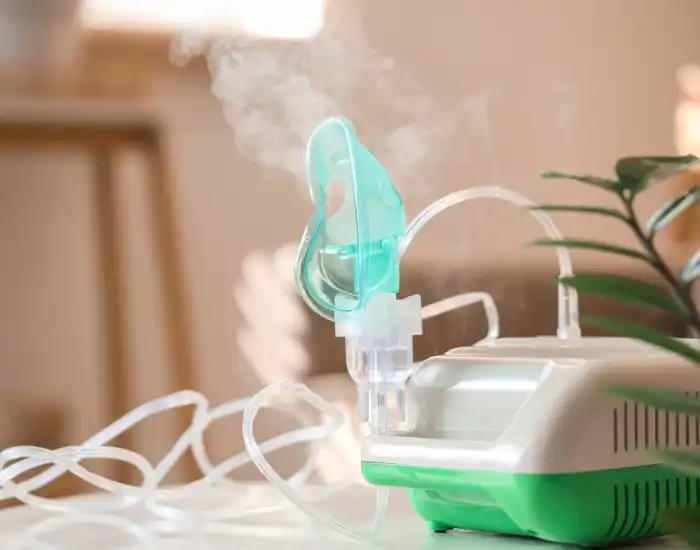
- Breathing support: Oxygen therapy, nebulizers, or medications
- Digestive care: Anti-nausea medications, stool softeners, or hydration therapy
- Sleep and anxiety management: Sedatives, relaxation techniques, or therapy
Hospice teams carefully evaluate each patient’s needs and adjust medications as required to maximize comfort without overmedication.
8. When to Seek Additional Help
Families should seek immediate hospice or medical support when:
- Pain becomes severe or uncontrolled
- Breathing difficulties worsen suddenly
- New symptoms emerge, such as confusion or bleeding
- Emotional distress escalates
9. How Sahara Hospice Care Supports Patients and Families
Sahara Hospice Care specializes in holistic symptom management for terminal patients in Houston, Sugar Land, and surrounding areas. Our services include:
- 24/7 in-home hospice support for comfort and reassurance
- Personalized care plans addressing physical, emotional, and spiritual needs
- Grief counseling and family support to navigate end-of-life challenges
- Veterans care programs honoring military service while providing tailored hospice support
- Skilled nursing and CNA assistance for daily care and symptom monitoring
Families can request hospice care online or contact Sahara Hospice Care at (281) 245-9977 for immediate assistance.
10. Frequently Asked Questions
Q1: Can hospice help manage severe pain at home?
Yes. Hospice professionals are trained to adjust medications, monitor symptoms, and provide interventions for optimal comfort.
Q2: How does hospice address emotional suffering?
Through counseling, spiritual support, guided conversations, and family education.
Q3: Can hospice care be provided alongside hospital treatment?
While hospice typically focuses on comfort over curative treatment, patients can transition smoothly from hospital care to in-home hospice.
Q4: How soon should we contact hospice for symptom management?
Early involvement ensures patients receive proper support before symptoms escalate, providing comfort and peace of mind.
Q5: Are families trained to provide care at home?
Yes. Families are educated on medication administration, mobility support, emotional guidance, and practical caregiving strategies.
11. Closing Reassurance
Managing pain and symptoms at the end of life requires compassion, expertise, and continuous support. Hospice care provides patients with comfort and dignity while helping families navigate a challenging journey with guidance and reassurance.
With Sahara Hospice Care, families in Houston, Sugar Land, and nearby communities can ensure their loved ones receive personalized, 24/7 in-home hospice care that addresses physical, emotional, and spiritual needs. Even during the most difficult moments, hospice care allows patients to experience peace, connection, and dignity.
Medical Disclaimer: This article is for educational purposes only and does not replace professional medical advice. Always consult a qualified healthcare provider regarding specific concerns.