End Of Life Care: Compassion, comfort, and control
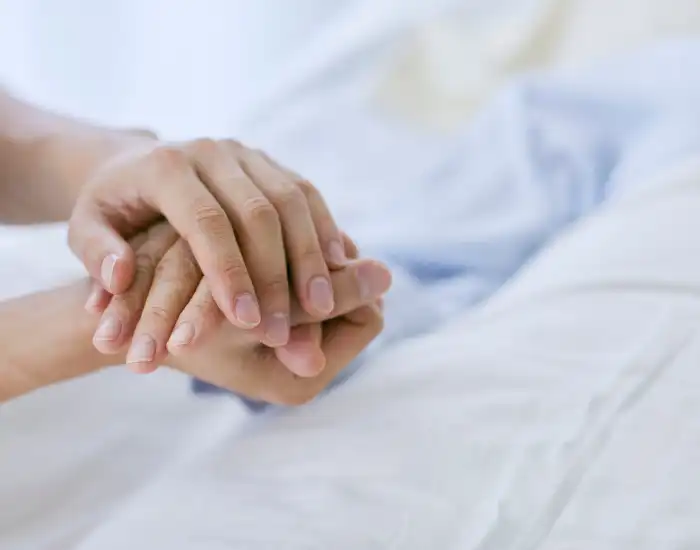
End Of Life Care supports people in the final stage of a serious illness by managing symptoms, honoring goals, and guiding families. It blends medical, emotional, and spiritual support—often at home—so each day feels comfortable, dignified, and aligned with personal wishes.
Families in Sugar Land and greater Houston often ask what End Of Life Care includes and how to start quickly. With coordinated Sahara Hospice teams, most services can begin in 24–48 hours. This guide explains what End Of Life Care is, how it works at home, and the steps to create a plan that reflects your loved one’s goals.
End Of Life Care: What it means
End Of Life Care focuses on comfort rather than cure. It treats pain, breathlessness, anxiety, nausea, and other symptoms while also supporting caregivers. Because values matter, clinicians document preferences for treatments, visitors, routines, and spiritual care. Ultimately, the goal is dignity and less stress for everyone.
What is end of life care at home?
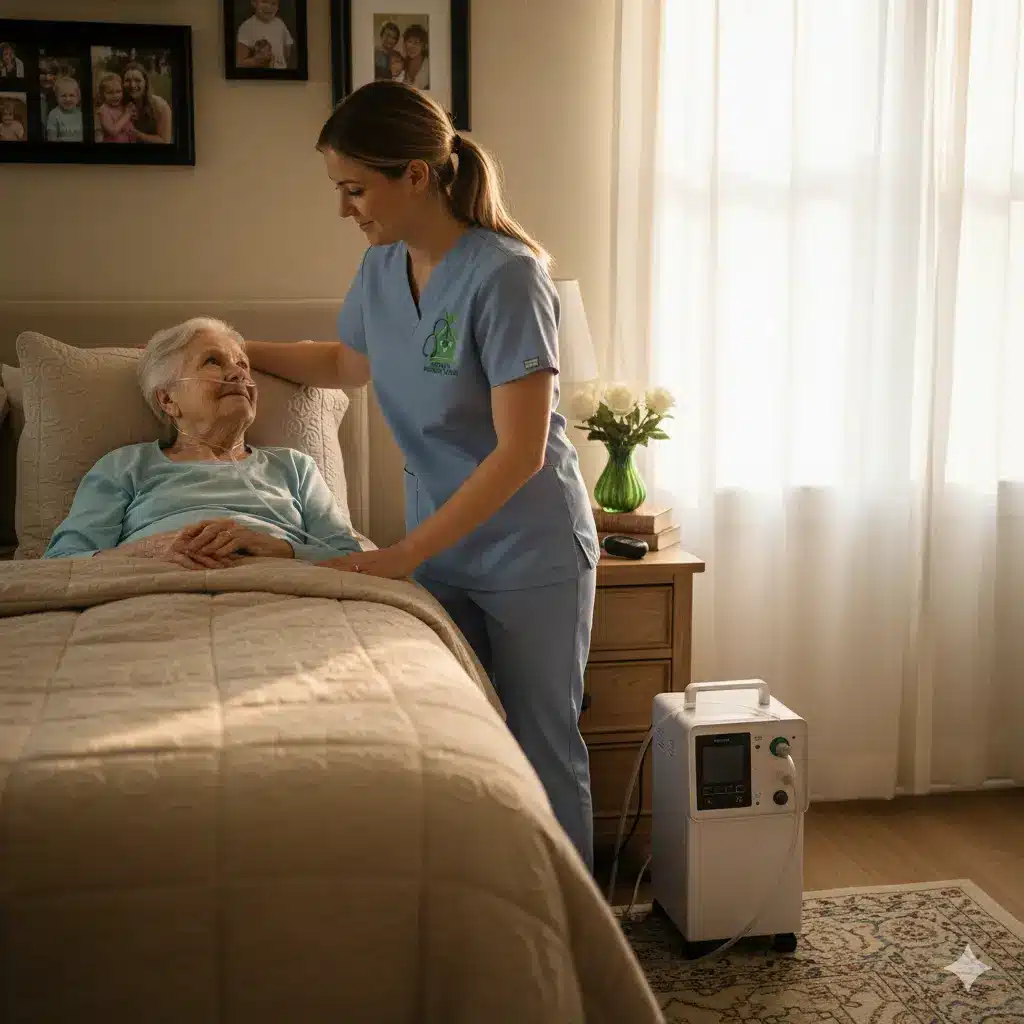
Many families prefer familiar surroundings. At home, nurses monitor symptoms, adjust medications, and teach families what to watch for. Aides assist with bathing, dressing, and safe mobility. Social workers coordinate resources and help with paperwork. Chaplains or counselors offer spiritual and emotional support. In addition, regular visits are paired with on-call help if things change suddenly. For a deeper look at the benefits of in-home hospice care, explore our local guide.
Why it helps: Home settings reduce hospital trips, support better sleep and appetite, and give families more meaningful time together.
Six steps end of life care pathway (practical)
- Identify the stage. Confirm eligibility and likely trajectory with the physician.
- Clarify goals. Decide what matters most: comfort, alertness, family time, or spiritual rituals.
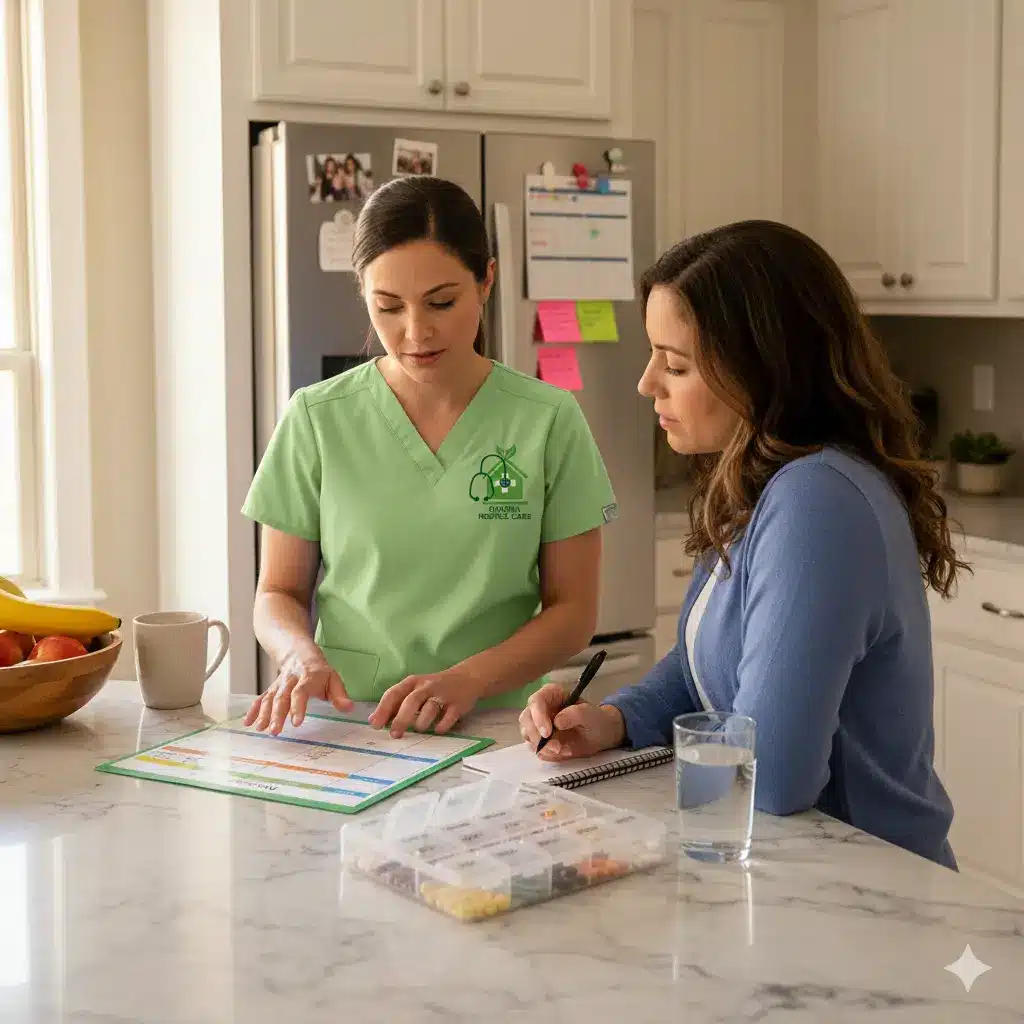
- Create the plan. Document meds, equipment, emergency instructions, and contacts.
- Control symptoms. Titrate pain, shortness of breath, nausea, constipation, and anxiety promptly.
- Support the family. Teach care tasks, respite options, and grief resources.
- Review often. Revisit goals weekly or with any change; adjust the plan accordingly.
What should your goals in end-of-life care include?
- Comfort first: Minimal pain and breathlessness.
- Meaningful time: Energy for visits, prayer, music, or favorite activities.
- Place of care: Stay at home if safe; avoid burdensome ER trips.
- Communication: Everyone knows the plan and who to call.
- Legacy: Letters, recordings, or rituals that matter to the patient.
Families also ask about changes to expect in the final days. Review our plain-English guide to clear signs when death is near so you can prepare with confidence.
For additional national context on care decisions near the end of life, see the National Institute on Aging’s overview here.
Coordinating services across Sugar Land & Houston
Because needs evolve, a flexible network matters. Sahara Hospice manages symptom control, equipment delivery, and 24/7 nurse triage. When recovery or ongoing rehab is still the focus before hospice eligibility, skilled home-health partners can bridge the gap with nursing visits, therapy, and medication teaching.
Medications and equipment
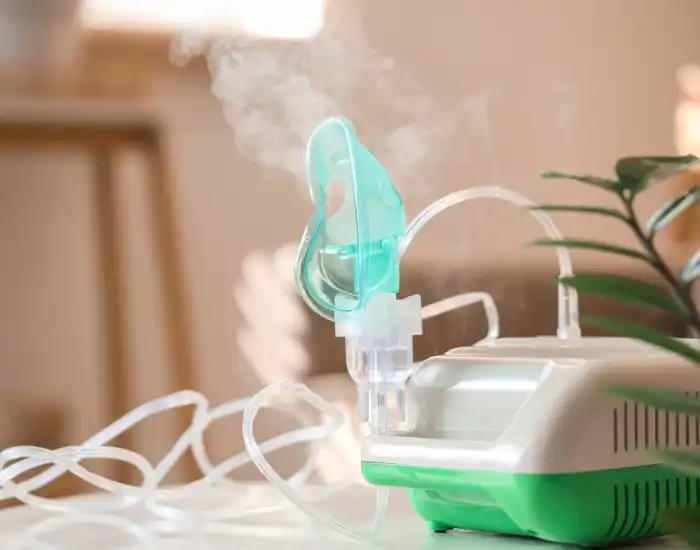
Clinicians typically provide comfort-focused medications and order equipment like a hospital bed, oxygen, bedside commode, shower chair, or wheelchair. Clear labeling, simple schedules, and fridge-posted instructions reduce confusion during urgent moments.
Caregiver coaching
Hands-on teaching covers safe turning, mouth care, bowel regimens, breathing exercises, and when to call. Short refresher videos and fridge checklists help at 2 a.m. Ask your nurse to leave step-by-step instructions tailored to your loved one.
Mini case studies (realistic snapshots)
Before → After (10 days): Pain & panic reduced
Before: Mr. H., 82, had nightly breathlessness and 8/10 back pain. Family called 911 twice in a week.
After: Within 72 hours of hospice start, a new med schedule and low-flow oxygen reduced pain to 3/10. Panic episodes stopped. No ER visits in the next 10 days; family reported restful nights.
Before → After (3 weeks): At-home farewell honored
Before: Ms. R., 74, wanted to remain at home but her daughter feared unmanaged symptoms.
After: A hospital bed, mouth-care kit, and PRN meds were set up day one. Nurses coached the daughter on turning and comfort care. Ms. R. shared visits, music, and prayer at home and passed peacefully three weeks later.
End Of Life Care and related home-health support
If you’re still weighing options or new to hospice, our primer on 10 things you need to know about hospice care explains eligibility, coverage, and how services begin—so your family can move forward without delay.
How to start services in 24–48 hours
Call the intake number below. Have the patient’s full name, date of birth, insurance, and primary doctor handy. Describe current symptoms and recent hospitalizations. An admissions nurse will schedule a visit, review medications, and set up equipment. Meanwhile, the team will coordinate with your physician for orders.
FAQ: People also ask
Is End Of Life Care the same as hospice?
Often, yes. Hospice is a structured form of End Of Life Care when life expectancy is about six months or less if the illness runs its usual course.
Can we keep current doctors and medications?
Usually, yes. The hospice medical director joins your team, and medications are simplified to focus on comfort and goals.
Will my loved one be sleepy from pain meds?
Initially, some drowsiness can occur. Nurses adjust doses so comfort improves while maintaining the alertness your family prefers.
What if symptoms worsen at night?
Call the 24/7 hospice nurse line. Many issues are handled by phone; a nurse visit or medication adjustment can follow promptly.
How do we avoid unwanted hospital trips?
Post a written plan, keep PRN meds available, and call your nurse before dialing 911—unless it’s a true emergency.
Can we receive spiritual or emotional support?
Yes. Chaplains and social workers provide counseling, rituals, and community referrals tailored to your beliefs.
What happens after a death at home?
Call hospice. The nurse will pronounce, notify the physician, and guide next steps with the funeral home—respectfully and calmly.
Start End Of Life Care today
Sahara Hospice Care
Phone: 281-245-9977
Address: 140 Eldridge Rd, Suite B1, Sugar Land, TX 77478
Email: info@saharahospicecare.com
Web: https://saharahospicecare.com/
Aleris Home Health (related support)
Aleris Home Health — Skilled nursing & therapy at home
Phone: (281) 313-0087 •
Address: 140 Eldridge Rd, Suite H, Sugar Land, TX 77478 •
Contact Aleris
YMYL disclaimer: Educational content only; follow clinician’s individualized plan; call 911 for emergencies.
Find us in Sugar Land