When someone you love is facing a serious or terminal illness, one of the hardest questions to ask is: What happens next?
As treatments become less effective and priorities begin to shift, families often find themselves wondering how to ensure comfort, dignity, and peace during life’s final chapter.
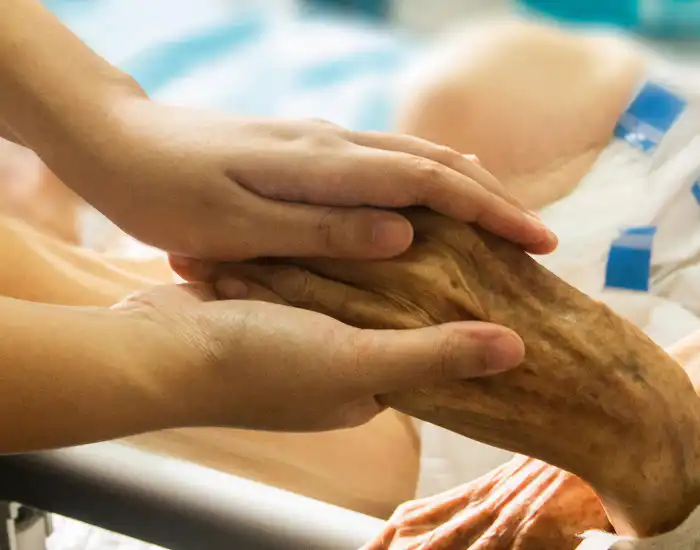
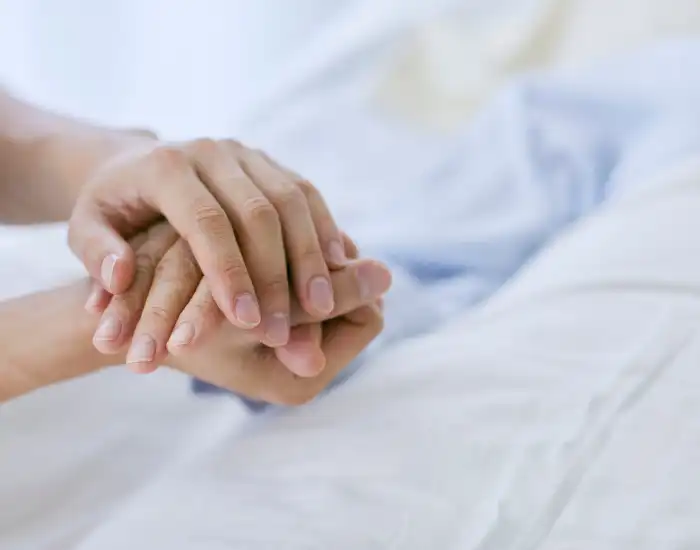
Care at the end of life is not about giving up. It is about choosing compassionate support, symptom relief, and meaningful moments. Understanding what this care involves can help families make informed, confident decisions during a deeply emotional time.
Table of Contents
- What Is End-of-Life Care?
- When Does End-of-Life Care Begin?
- Common Needs During the Final Stage of Life
- The Role of Hospice Care
- How Palliative Care Supports Comfort
- Emotional and Spiritual Support for Families
- Creating a Comfortable Environment at Home
- Making Medical and Legal Decisions
- How Sahara Hospice Care Supports Families
- Final Thoughts: Choosing Comfort and Dignity
What Is End-of-Life Care?
End-of-life care refers to the support and medical attention given during the final phase of a person’s life. This type of care focuses on:
- Relief from pain and physical discomfort
- Emotional and spiritual support
- Preserving dignity
- Enhancing quality of life
- Supporting family members and caregivers
Unlike curative treatment, which aims to eliminate disease, end-of-life care prioritizes comfort and well-being.
Many families learn about this approach when exploring options such as hospice care, which provides specialized support for individuals with a life expectancy of six months or less.
If you are unsure about the difference between hospice and other services, you may find helpful guidance in our resource on understanding palliative care services.
When Does End-of-Life Care Begin?
There is no exact timeline. However, it often begins when:
- Treatments are no longer effective
- A serious illness continues to progress
- A physician recommends comfort-focused care
- The patient chooses quality of life over aggressive treatment
End-of-life care may last weeks or months, depending on the individual’s condition.
Families sometimes hesitate to explore in-home hospice care because they worry it means “giving up.” In reality, it means shifting the goal from curing illness to providing comfort, peace, and meaningful time together.
Common Needs During the Final Stage of Life
Every person’s journey is unique. However, there are common physical, emotional, and practical needs during the final phase.
1. Pain and Symptom Management
Individuals may experience:
- Pain
- Shortness of breath
- Fatigue
- Nausea
- Anxiety
- Restlessness
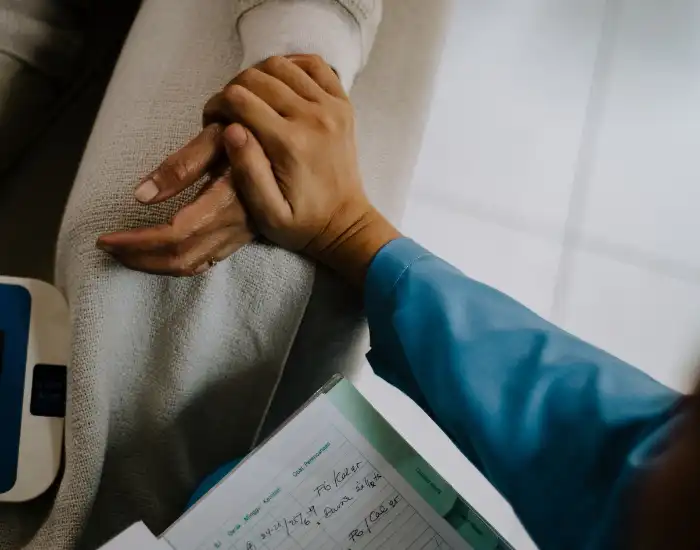
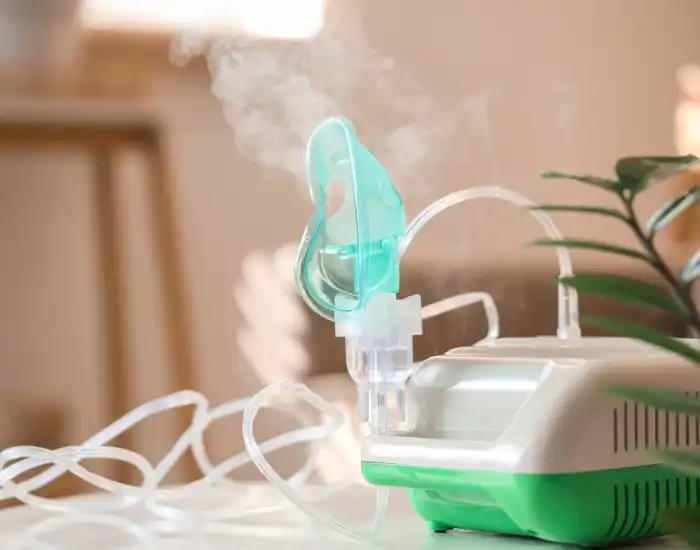
Professional end-of-life support ensures symptoms are carefully monitored and managed. Skilled nurses and physicians adjust medications to maintain comfort.
2. Emotional Reassurance
Fear, uncertainty, and sadness are natural during this stage. Patients may worry about:
- Leaving loved ones
- Losing independence
- Spiritual concerns
- Unfinished conversations
Providing emotional support is just as important as medical treatment.
3. Family Guidance
Families often feel overwhelmed. They may ask:
- What should we expect?
- Are these changes normal?
- How can we help?
Compassionate care teams educate families about what is happening and how to respond calmly and confidently.
For more information about recognizing these transitions, read our guide on signs it may be time to consider hospice care.
The Role of Hospice Care
Hospice care is a specialized form of care designed for individuals nearing the end of life. It can be provided:
- In the patient’s home
- In assisted living communities
- In nursing facilities
- In hospice centers
Hospice focuses on comfort rather than cure. Services typically include:
- Skilled nursing visits
- Physician oversight
- Medication management
- Medical equipment
- Personal care assistance
- Social work support
- Spiritual counseling
- Grief and bereavement services
Many families choose in-home hospice because it allows their loved one to remain in familiar surroundings.
You can learn more about these services on our In-Home Hospice Care page.
How Palliative Care Supports Comfort
While hospice care is for individuals nearing the end of life, palliative care can begin earlier in the course of serious illness.
Palliative care:
- Manages pain and symptoms
- Can be provided alongside curative treatment
- Supports patients at any stage of illness
When treatment goals shift entirely to comfort, palliative care may transition into hospice care.
Both approaches prioritize dignity, holistic support, and compassionate care.
If you are exploring symptom relief options, visit our page on palliative care services to understand how this support works.
Emotional and Spiritual Support for Families
End-of-life care does not focus only on the patient. Families need care, too.
Emotional Support Includes:
- Counseling sessions
- Grief preparation
- Education about what to expect
- Crisis support
Spiritual Support May Include:
- Chaplain visits
- Prayer or meditation
- Cultural or religious guidance
- Meaning-centered conversations
Grief often begins before loss occurs. Having structured bereavement support services in place can help families process emotions in a healthy way.
No one should navigate this journey alone.
Creating a Comfortable Environment at Home
Many families prefer care at home because it allows for:
- Familiar surroundings
- Greater privacy
- More time together
- Personalized routines
Here are ways to create a peaceful environment:
1. Keep the Room Calm
- Soft lighting
- Comfortable bedding
- Minimal noise
- Meaningful photographs
2. Maintain Physical Comfort
- Regular repositioning
- Proper medication schedules
- Gentle hygiene assistance
- Monitoring for discomfort
3. Encourage Meaningful Moments
- Share memories
- Play favorite music
- Offer reassurance
- Simply sit quietly together
Choosing compassionate care at home helps maintain dignity and emotional connection during this time.
Making Medical and Legal Decisions
End-of-life care often involves important decisions.
Advance Directives
These documents outline a person’s wishes regarding:
- Life-sustaining treatment
- Resuscitation
- Feeding tubes
- Ventilation
Do Not Resuscitate (DNR) Orders
A DNR indicates that a patient does not want CPR if the heart stops.
Healthcare Proxy
This designates someone to make medical decisions if the patient cannot.
Having these discussions early can reduce confusion and stress later.
Hospice professionals help families understand these options and ensure wishes are respected.
What to Expect in the Final Days
As the body begins to slow down, families may notice:
- Increased sleep
- Reduced appetite
- Changes in breathing patterns
- Withdrawal from conversation
- Coolness in hands and feet
These changes are often natural parts of the dying process.
A skilled hospice team provides 24/7 availability to guide families, answer questions, and ensure comfort remains the priority.
If you would like to understand more about symptom management, visit our page on managing pain and symptoms at the end of life.
How Sahara Hospice Care Supports Families
At Sahara Hospice Care, we understand that care at the end of life is deeply personal. Families throughout Houston, Sugar Land, and surrounding communities receive individualized, compassionate support tailored to each patient’s needs.
Our interdisciplinary team includes nurses, physicians, aides, social workers, and spiritual counselors who collaborate to create personalized care plans focused on dignity and comfort.
Services include:
- 24/7 in-home hospice care
- Expert pain and symptom management
- Emotional and spiritual counseling
- Veteran-specific hospice programs
- Grief and bereavement support
We believe every person deserves comfort, respect, and peace during life’s final chapter.
If you have questions about hospice care, palliative care, or terminal illness support, contact Sahara Hospice Care at (281) 245-9977 or request care through our website to speak with a compassionate professional.
You are not alone in this journey.
Final Thoughts: Choosing Comfort and Dignity
Care at the end of life is about honoring a life fully lived.
It allows patients to:
- Remain in familiar surroundings
- Experience relief from discomfort
- Spend meaningful time with loved ones
- Maintain dignity and respect
It allows families to:
- Focus on connection rather than crisis
- Feel supported and informed
- Receive guidance during grief
When cure is no longer possible, comfort becomes a powerful gift.
Choosing compassionate end-of-life support ensures that no one faces this stage alone.
Medical Disclaimer: This article is for educational purposes only and does not replace professional medical advice. Always consult a qualified healthcare provider regarding specific concerns.