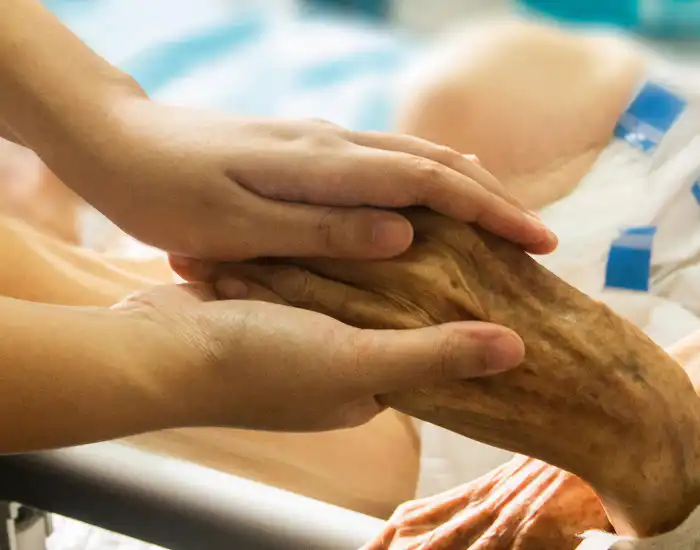
When a loved one is facing a serious or life-limiting illness, families are often introduced to two important types of supportive care: hospice care and palliative care. While these terms are sometimes used interchangeably, they are not the same, and understanding the difference is essential for making informed decisions during a difficult time.
Both hospice and palliative care focus on improving quality of life rather than simply treating disease. However, they differ in timing, treatment goals, and eligibility criteria. In many real-life situations, families are not clearly explained when one type of care transitions into the other, which can create confusion and delay access to important support services.
This guide explains hospice vs palliative care in a clear, compassionate, and practical way so families can better understand what each option offers and when it may be appropriate to consider them.
Table of Contents
Important Note
It is often misunderstood that choosing hospice means “giving up.” In reality, both hospice and palliative care are focused on comfort, dignity, and quality of life. The main difference lies in the stage of illness and whether curative treatments are still being pursued. Understanding this distinction early can help families access the right support sooner and reduce unnecessary stress or hospital visits.
Understanding Supportive Care in Simple Terms
Supportive care refers to medical and emotional services designed to improve comfort, manage symptoms, and support both patients and families during serious illness. Instead of focusing only on curing disease, supportive care focuses on how a person is feeling physically, emotionally, and mentally.
In many cases, supportive care is introduced early in the illness journey and continues as the condition progresses. As needs change, care may shift from palliative care to hospice care when the focus becomes fully centered on comfort at the end of life.
Services such as palliative care support are often introduced alongside ongoing treatments, while in-home hospice care is typically provided when curative treatments are no longer effective.
What Is Palliative Care?
Palliative care is specialized medical support provided to patients living with serious illnesses such as cancer, heart failure, COPD, kidney disease, or neurological disorders. It can be provided at any stage of illness and does not depend on life expectancy.
The primary goal of palliative care is to relieve symptoms such as pain, shortness of breath, fatigue, nausea, and anxiety. Emotional and psychological support is also included, helping patients and families cope with the challenges of long-term illness.
Importantly, palliative care can be provided alongside curative treatments. For example, a patient undergoing chemotherapy may also receive palliative care to manage side effects and improve daily comfort.
This care is often delivered by a multidisciplinary team, which may include doctors, nurses, social workers, and counselors working together to improve overall quality of life.
In many cases, families are introduced to specialized care teams that provide continuous support throughout the illness journey.

What Is Hospice Care?
Hospice care is a specialized form of care provided when a patient is believed to be in the final stage of a terminal illness. It is typically considered when life expectancy is approximately six months or less if the illness follows its natural course.
Unlike palliative care, hospice care does not focus on curative treatment. Instead, the goal is to ensure comfort, dignity, and emotional peace during the final stage of life.
Hospice care may be provided at home, in hospice facilities, or in inpatient settings depending on the patient’s condition and needs. Services often include pain management, emotional counseling, spiritual support, and family guidance.
Many families prefer home-based hospice care because it allows loved ones to remain in a familiar and peaceful environment surrounded by family.
Key Differences Between Hospice and Palliative Care
Although hospice care and palliative care share a similar philosophy of improving comfort and quality of life, they are different in important clinical and practical ways. These differences are often misunderstood, which can delay families from accessing the right type of support at the right time.
The most significant difference lies in the stage of illness. Palliative care may be provided at any stage of a serious illness, even from the time of diagnosis. Hospice care, on the other hand, is generally introduced when the illness is no longer responding to curative treatment and the focus is shifted entirely to comfort care.
Another key difference is treatment intent. In palliative care, curative treatments such as chemotherapy, dialysis, or surgery may still be continued. In hospice care, curative treatments are typically stopped, and care is focused solely on symptom relief and emotional support.
Both types of care involve a team-based approach, but hospice care often includes more intensive support for families, especially during the final stages of life.
Families who want structured guidance through this transition often benefit from understanding coordinated services like a hospice care team, which helps manage both medical and emotional needs.
Important Note
It is often assumed that palliative care is only for early illness and hospice is only for the final days. In reality, there is often an overlap. Many patients receive palliative care for months or years before transitioning into hospice care when the illness progresses. The transition is usually based on clinical evaluation rather than a sudden change in condition.
When Each Type of Care Is Used
Understanding when to use palliative care versus hospice care is essential for ensuring that patients receive the right support at the right stage of illness. Timing is not always easy to determine, and it is often guided by medical evaluation combined with family observations.
Palliative care is typically introduced early in the illness journey. It may begin at the time of diagnosis of a serious condition such as cancer, heart disease, or neurological disorders. At this stage, treatment is still focused on managing and potentially slowing the disease while also improving comfort.
As the illness progresses and treatment becomes less effective, healthcare providers may begin to discuss hospice care. This transition is usually considered when symptoms worsen despite treatment, hospitalizations become frequent, or daily functioning significantly declines.
In many cases, hospice care is recommended when it is believed that life expectancy may be around six months or less if the illness follows its natural course. However, this timeframe is not exact and may vary depending on the condition and individual response.
Services such as in-home hospice care are often introduced during this stage to ensure comfort is maintained in a familiar environment, reducing stress and unnecessary hospital visits.

Emotional Impact on Patients and Families
The transition between palliative care and hospice care is not only a medical decision but also an emotional one. Families often experience a wide range of feelings, including uncertainty, fear, sadness, and sometimes relief that support is being provided.
It is common for patients and families to struggle with the idea of stopping curative treatment. However, it is important to understand that hospice care does not mean abandonment of care. Instead, it represents a shift toward comfort-focused treatment that prioritizes dignity and emotional well-being.
During this time, emotional support becomes just as important as medical care. Counseling, communication support, and spiritual care are often provided to help families cope with the emotional weight of the transition.
Many hospice programs also provide access to grief support services, which continue even after a loved one has passed, ensuring that families are not left alone during the grieving process.
Common Misunderstandings About Both Types of Care
There are several misconceptions about hospice and palliative care that can prevent families from seeking help early. One common misunderstanding is that these services are only for the very end of life. In reality, palliative care can begin at any stage of serious illness, and hospice care is intended to improve comfort during the final months of life, not just the final days.
Another misconception is that choosing hospice means giving up hope. In truth, hope often shifts from cure to comfort, peace, and meaningful time with family. Many families report improved emotional and physical comfort once hospice care begins.
It is also sometimes believed that hospice care shortens life. However, research and clinical experience often show that patients may live as long or even longer due to improved symptom management and reduced stress.
Benefits of Hospice and Palliative Care for Families
Both hospice care and palliative care are designed not only for patients but also for families who are often carrying the emotional, physical, and psychological burden of caregiving. When either form of care is introduced, families are usually provided with structured guidance, emotional support, and medical education that helps them understand what is happening at each stage of illness.
One of the most important benefits is symptom relief. Pain, breathlessness, fatigue, anxiety, and other distressing symptoms are carefully managed so that patients are kept as comfortable as possible. This allows families to spend more meaningful time together rather than focusing only on medical emergencies.
Another significant benefit is emotional reassurance. Families are no longer required to make complex medical decisions alone, as a dedicated care team helps guide each step. This reduces stress and uncertainty during an already difficult time.
In many cases, services such as in-home hospice care allow patients to remain in a familiar environment, which is often emotionally comforting for both patients and loved ones.
When Should Families Consider Hospice vs Palliative Care?
Deciding when to transition between palliative care and hospice care is often based on the progression of illness and response to treatment. Palliative care is generally considered early when symptoms begin to affect quality of life, even while active treatment is ongoing.
Hospice care is usually considered when curative treatments are no longer effective, and it is believed that the illness is entering its final stage. This decision is typically supported by a physician’s assessment, which may include evaluation of physical decline, repeated hospitalizations, and overall prognosis.
Families are often encouraged not to wait until a crisis occurs before exploring hospice options. Early discussion allows time for planning, emotional adjustment, and smoother transition into comfort-focused care.
Support from a hospice care team ensures that this transition is handled with compassion and clarity, reducing confusion during emotionally intense moments.
Hospice and Palliative Care in Local Communities
Access to quality hospice and palliative care has become increasingly available in many communities, allowing patients to receive care in hospitals, care facilities, or at home. Home-based services are especially preferred because they provide comfort in a familiar environment while still ensuring medical supervision.
Local providers often coordinate with hospitals, physicians, and families to ensure continuity of care. This collaboration ensures that patients do not experience gaps in treatment or support during transitions between care settings.
Families exploring options such as in-patient hospice care or home-based services are usually guided based on the patient’s condition and level of need.
Emotional and Spiritual Support During Care
Serious illness affects more than just the physical body. Emotional distress, fear, uncertainty, and spiritual questions are commonly experienced by both patients and families. Because of this, hospice and palliative care programs include emotional and spiritual support as a core part of treatment.
Counselors, social workers, and chaplains may be involved in care planning to help individuals process emotions, cope with grief, and find meaning during difficult times. This holistic approach ensures that care is not limited to physical symptoms alone.
Many families also benefit from structured grief support programs, which continue even after the loss of a loved one, providing long-term emotional healing support.
Final Thoughts
Hospice care and palliative care are both essential components of compassionate healthcare for individuals facing serious illness. While they differ in timing and treatment goals, both are centered on improving comfort, dignity, and quality of life.
Understanding the differences between the two helps families make more informed decisions and ensures that patients receive appropriate care at the right stage of illness. Rather than being seen as a choice between hope and no hope, these services should be understood as different types of support tailored to changing needs.
When introduced early and appropriately, both hospice and palliative care can significantly improve the experience of patients and families, reducing suffering and enhancing emotional connection during a deeply important stage of life.
Medical Disclaimer
This article is for informational purposes only and should not be considered medical advice. Always consult qualified healthcare professionals for diagnosis, treatment decisions, and care planning related to hospice or palliative care.