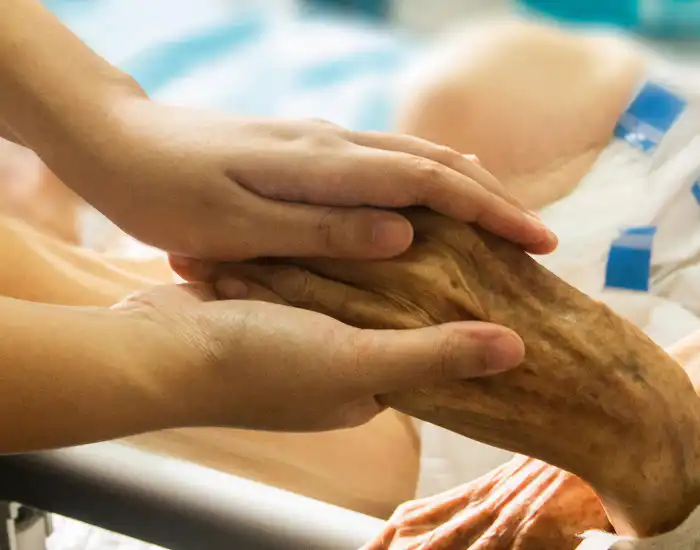
Deciding whether a loved one needs hospice care is often one of the most emotionally challenging moments a family can experience. In many situations, the signs are not immediately clear, and gradual health changes may be difficult to interpret until a crisis occurs.
Hospice care is generally considered when a serious or terminal illness is no longer responding to curative treatment and when comfort becomes the primary goal. However, the decision is not based on a single symptom or event. Instead, it is usually determined through a combination of physical decline, medical history, and changes in daily functioning.
In many cases, families are told about hospice later than ideal, often after repeated hospitalizations or sudden health deterioration. Because of this, early awareness is extremely important. When signs are recognized earlier, better comfort, emotional support, and dignity can be provided.
This guide explains the key indicators that may suggest hospice care is needed, using clear and compassionate language so families can better understand what is happening and what options are available.
Table of Contents
Important Note
Hospice care is not a sign of failure or “giving up.” Instead, it is a shift in medical focus where comfort, dignity, and quality of life are prioritized. In many cases, patients have been shown to experience improved comfort and emotional stability when hospice care is started earlier rather than later. A physician’s assessment is usually required, but family observations play an important role in identifying when care needs are changing.
Understanding Hospice Need in Simple Terms
Hospice care is typically considered when an illness has reached an advanced stage where recovery is no longer expected. At this point, treatment is often focused on symptom control rather than cure. This transition is usually recommended when continued aggressive treatment is no longer improving quality of life.
In practical terms, hospice may be needed when a loved one begins experiencing repeated health setbacks, increasing weakness, or difficulty managing everyday activities. These changes are often gradual, making them easy to overlook in the early stages.
Conditions such as advanced cancer, severe heart failure, chronic obstructive pulmonary disease (COPD), dementia, and kidney failure are among the most common illnesses where hospice care is eventually introduced.
In many cases, palliative care support is introduced first to manage symptoms, and hospice care is later recommended as the condition progresses further.
When care is provided through in-home hospice services, patients are often able to remain in a familiar environment while receiving professional medical and emotional support.
Medical Conditions That Often Lead to Hospice Care
Hospice care is not based on a single diagnosis alone. Instead, it is determined by the progression and severity of a condition. Certain illnesses are more commonly associated with hospice eligibility when they reach advanced stages.
For example, in advanced cancer, it may be observed that treatments such as chemotherapy are no longer effective in slowing disease progression. In heart failure, repeated episodes of shortness of breath and fluid retention may continue despite medication adjustments. In dementia, cognitive decline and loss of communication abilities may reach a stage where full-time care is required.
In each of these cases, the focus of care is often shifted from extending life to improving comfort and reducing suffering.
A structured evaluation is usually performed by healthcare professionals, but families are often the first to notice when changes become more frequent and more severe over time.
Support from a hospice care team ensures that both medical needs and emotional concerns are addressed in a coordinated manner.

Progressive Physical Decline Over Time
One of the most common patterns in which hospice care is eventually considered is a steady and progressive physical decline. It is usually observed that strength is gradually reduced over weeks or months, rather than in a single sudden change.
Walking short distances may begin to require assistance. Standing for long periods may no longer be possible. Even simple movements such as turning in bed or adjusting position may be performed with noticeable effort. Over time, fatigue is often experienced even after minimal activity.
This decline is medically understood as a reduction in overall functional capacity. The body is no longer able to maintain previous energy levels, and recovery after illness episodes becomes slower or incomplete.
In many cases, it is at this stage that families begin to feel that “something is changing,” even if a specific diagnosis has not yet been discussed in detail.
Supportive services such as in-home hospice care are often introduced to help manage these gradual changes in a familiar environment, where comfort can be prioritized and stress can be reduced.
Loss of Daily Functioning and Independence
Another strong indicator that hospice care may be needed is a noticeable loss of independence in daily activities. Tasks that were once performed without assistance may gradually require help.
Activities such as bathing, dressing, eating, and using the restroom may no longer be managed independently. In many cases, increasing support is required from family members or caregivers throughout the day.
This loss of independence is often emotionally difficult for both patients and families. Feelings of frustration or sadness may be experienced as roles begin to shift within the household.
From a medical perspective, this decline in self-care ability is considered an important marker of disease progression. It is often used by healthcare providers when evaluating whether hospice support should be introduced.
At this stage, a structured hospice care team may be recommended to provide professional assistance with personal care, symptom management, and emotional support.
Frequent Hospitalizations or Emergency Visits
When a loved one begins to experience repeated hospital admissions or emergency room visits, it is often a sign that the underlying condition is becoming increasingly difficult to control.
Each hospitalization may provide temporary stabilization, but symptoms often return or worsen shortly after discharge. Over time, this cycle can become exhausting for both the patient and the family.
In many cases, hospital-based treatments are focused on short-term stabilization rather than long-term comfort. As a result, families may begin to feel that medical visits are no longer improving quality of life in a meaningful way.
This repeated cycle is often one of the key reasons hospice care is recommended by physicians. By shifting care to a comfort-focused approach, unnecessary hospital trips may be reduced significantly.
Services such as palliative care support are often used earlier in the illness trajectory, while hospice care is introduced when the pattern of decline becomes more advanced and persistent.
Important Note
Frequent hospital visits are often interpreted as a sign that the current treatment approach may no longer be providing long-term benefit. In such situations, it is usually advised that a discussion be held with healthcare providers regarding comfort-focused care options, including hospice. Early consideration does not shorten life but may improve quality of remaining time.
Significant Changes in Appetite and Weight
As illness progresses, changes in appetite are often observed. Food intake may gradually decrease, and interest in meals may diminish significantly. Weight loss may occur even when nutritional support is provided.
This change is not simply a matter of preference. It is often caused by the body’s reduced energy requirements and slowed metabolic processes. The digestive system becomes less active, and hunger signals may no longer function in the same way as before.
For families, this can be one of the most emotionally challenging changes to witness. Providing food is often associated with care and love, so refusal of meals may feel distressing.
However, in advanced illness, forcing food intake may not provide benefit and can sometimes cause discomfort. Instead, care is usually shifted toward comfort measures such as oral hygiene, hydration support if appropriate, and symptom relief.
Understanding eligibility through hospice eligibility guidelines can help families recognize that these changes are often part of the natural progression of illness rather than something that can be reversed through nutrition alone.
Emotional and Behavioral Changes in Advanced Illness
As serious illness progresses, noticeable emotional and behavioral changes are often observed in many patients. These changes may appear gradually or sometimes quite suddenly, depending on the underlying condition and overall health status.
In some cases, increased confusion, forgetfulness, or difficulty recognizing familiar people may be experienced. Communication may become limited, and responses may become slower or less consistent than before. At times, restlessness or agitation may also be seen, especially during periods of discomfort or internal physiological changes.
These behaviors are not always signs of emotional distress alone. They are often influenced by changes in oxygen levels, medication effects, fatigue, or the natural progression of disease affecting brain function.
Despite these changes, moments of clarity may still occur. A loved one may suddenly respond clearly, recognize family members, or express brief but meaningful thoughts. These moments are often deeply emotional for families and are sometimes referred to as “lucid intervals.”
Support from a hospice care team can be extremely valuable during this stage, as guidance is provided on how to respond calmly and ensure comfort is maintained at all times.
Changes in Communication and Awareness
As the condition progresses further, communication may become increasingly limited. Speech may be reduced to short phrases or single words, and eventually, verbal communication may stop altogether.
However, it is often believed in clinical care that hearing remains one of the last senses to be affected. Because of this, gentle communication is still encouraged, even when no visible response is observed.
Soft reassurance, familiar voices, and calm presence are often maintained around the patient, as emotional comfort may still be perceived even when responsiveness is reduced.
Families are often guided to continue speaking naturally, sharing memories, or simply offering comforting words during this stage. These actions are considered meaningful even in the absence of verbal interaction.
When Hospice Should Be Seriously Considered
Hospice care is generally considered when multiple signs begin to occur together rather than in isolation. For example, when physical decline, frequent hospital visits, reduced appetite, and loss of independence are all observed at the same time, it is often an indication that the illness has reached an advanced stage.
At this point, continued curative treatment may no longer provide significant improvement in quality of life. Instead, care is usually shifted toward comfort, dignity, and emotional support.
In many situations, hospice care is recommended by physicians when it is believed that life expectancy may be approximately six months or less if the illness follows its natural course. However, this timeframe is not exact and may vary significantly from person to person.
Families are often encouraged to explore options such as in-home hospice care services so that support can be provided in a familiar and comforting environment.

The Role of Hospice in Supporting Families and Patients
Once hospice care is initiated, a coordinated approach to comfort-focused care is provided. Medical, emotional, and sometimes spiritual support is delivered in a structured manner to ensure that both patients and families are supported throughout the journey.
Pain management, symptom control, and emotional counseling are often included as part of care planning. Regular visits from nurses and caregivers may be arranged based on the patient’s needs.
In more advanced situations, specialized support such as in-patient hospice care may be recommended when symptoms require closer medical supervision.
The overall goal of hospice is not to extend life at all costs, but to improve the quality of remaining time by reducing discomfort and supporting dignity at every stage.
Supporting the Family Through the Journey
When a loved one requires hospice care, the impact is felt not only by the patient but also by the entire family. Emotional stress, uncertainty, and anticipatory grief are commonly experienced during this time.
Because of this, hospice services also focus on family support. Counseling, education, and grief resources are often provided to help families understand what is happening and how to cope emotionally.
Services such as grief support programs are designed to help families process emotions both during care and after loss, ensuring that support continues beyond the medical aspect of care.
Final Thoughts
Knowing when a loved one needs hospice care is rarely simple. The signs are often gradual and may overlap with ongoing treatment efforts, making the decision emotionally complex.
However, when patterns of decline become consistent—such as reduced independence, frequent hospitalizations, loss of appetite, and increasing weakness—it may be time to consider a shift toward comfort-focused care.
Hospice care is not about stopping care; it is about changing the goal of care. It ensures that dignity, comfort, and emotional well-being are prioritized when curative treatment is no longer effective.
With compassionate support from professional teams, families are not required to navigate this journey alone. Guidance is provided at every step to ensure that both patients and loved ones are cared for with respect and understanding.
Medical Disclaimer
This article is intended for informational purposes only and should not be considered medical advice. Always consult qualified healthcare professionals for diagnosis, treatment decisions, and hospice eligibility evaluation.