Watching a loved one approach the end of life can be one of the most emotional experiences a family will ever face. During the final 48 hours before death, many people notice physical, emotional, and behavioral changes that can feel unfamiliar or even frightening if they are not prepared for them. Questions often arise quickly: Is this normal? Are they in pain? Can they still hear us? How can we help?
While every person’s journey is unique, healthcare professionals who provide hospice and palliative care frequently observe similar patterns during the final days and hours of life. Understanding these changes can help families feel more prepared, reduce anxiety, and focus on providing comfort, dignity, and meaningful connection during a deeply important time.
Table of Contents
- What Happens in the Last 48 Hours Before Death?
- Why the Body Begins to Change
- Sleeping More and Reduced Awareness
- Loss of Appetite and Reduced Thirst
- Changes in Breathing Patterns
- Important Note
- Changes in Circulation and Skin Color
- Emotional and Spiritual Changes
- Can a Dying Person Still Hear You?
- Important Note
- How Families Can Provide Comfort
- Signs Death May Be Hours Away
- How Hospice Helps During the Final 48 Hours
- Hospice Support in Sugar Land and Houston
- Frequently Asked Questions
Important Note
The final days of life can bring changes that are unexpected and emotionally overwhelming for family members. Understanding what these symptoms mean can help reduce fear, improve communication with healthcare providers, and allow loved ones to focus on comfort and connection. While many of these changes are a normal part of the dying process, recognizing them early can help families make informed decisions and ensure their loved one receives compassionate support.
What Happens in the Last 48 Hours Before Death?
During the last 48 hours before death, the body gradually begins to shut down. Energy reserves become depleted, organ systems slow significantly, and the body’s focus shifts away from maintaining normal daily functions. This process is natural and occurs whether a person is receiving care at home, in a hospital, or through hospice services.
Many families notice several changes occurring at the same time. Their loved one may sleep much more than usual, show little interest in food or water, become less responsive, or experience changes in breathing patterns. Skin color may change, hands and feet may become cool, and communication often decreases.
These changes can be difficult to witness, but they generally indicate that the body is following its natural end-of-life process rather than suffering unnecessarily. This is one reason many families choose in-home hospice care, where trained professionals help explain symptoms and ensure comfort throughout the journey.

Why the Body Begins to Change Near the End of Life
As death approaches, the body’s systems begin conserving energy. The heart pumps less efficiently, circulation slows, digestion decreases, and the brain gradually reduces activity. Rather than viewing these changes as medical emergencies, healthcare providers often recognize them as expected signs that the body is preparing for a peaceful transition.
The digestive system is among the first systems affected. Because the body no longer requires the same amount of fuel, hunger naturally declines. The kidneys produce less urine. Muscles weaken. Physical activity becomes increasingly difficult.
These changes are not caused by a lack of care or attention. Instead, they represent the body’s natural progression toward the end of life.
Families often benefit from understanding the stages of palliative care, which help explain how physical needs evolve as serious illnesses progress.
Sleeping More and Reduced Awareness
One of the most common signs during the final 48 hours is a dramatic increase in sleep. A person who was previously awake for several hours each day may suddenly spend most of the day sleeping.
Family members sometimes worry that medications are causing excessive drowsiness. While certain medications can contribute, increased sleep is usually the result of the body’s declining energy levels and reduced circulation.
As the brain receives less oxygen and nutrients, wakefulness naturally decreases. The person may drift in and out of consciousness, respond only briefly to voices, or appear disconnected from their surroundings.
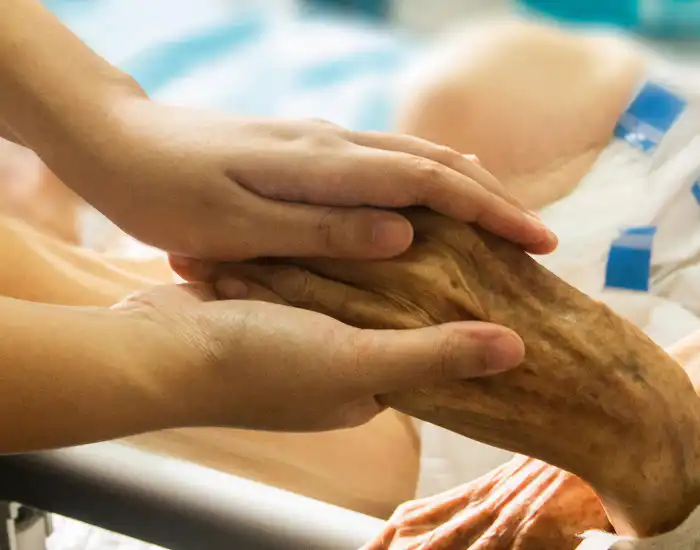
Even when a loved one seems unresponsive, healthcare professionals often encourage families to continue speaking gently, holding hands, and offering reassurance. Emotional connections can remain meaningful even when verbal communication becomes limited.
Loss of Appetite and Reduced Thirst
Perhaps one of the most difficult changes for families to accept is when a loved one stops eating and drinking.
Many people associate food with love, care, and nurturing. Seeing someone refuse meals can create anxiety and feelings of helplessness. However, reduced appetite during the final days is generally a normal part of the dying process.
As the body slows down, it no longer needs significant amounts of nutrition or hydration. Forcing food or fluids may actually create discomfort rather than provide benefit.
Instead, comfort measures become the priority. Family members may offer ice chips, small sips of water if desired, lip moisturizer, or gentle mouth care to maintain comfort.
Hospice professionals frequently educate families about these changes and help them understand what is normal. Understanding hospice eligibility requirements often allows patients to receive this guidance earlier rather than waiting until symptoms become overwhelming.
Changes in Breathing Patterns
Breathing changes are among the most noticeable signs that death may be approaching.
Many families become alarmed when they observe irregular breathing patterns, but these changes are extremely common during the final 48 hours. Breaths may become slower, deeper, more shallow, or occur with varying intervals.
Some individuals experience periods where breathing briefly stops and then resumes. This pattern, known as Cheyne-Stokes respiration, is commonly observed near the end of life.
Breathing may also become noisier because weakened muscles make it difficult to clear saliva and secretions from the throat. This sometimes produces a rattling sound often referred to as the “death rattle.”
Although the sound can be distressing for family members, it does not necessarily mean the person is suffering or experiencing pain. Hospice teams frequently reposition patients and provide comfort measures that help reduce secretions when appropriate.
Families receiving support through a dedicated hospice care team often find reassurance in having experienced professionals explain these symptoms as they occur.
Understanding breathing changes ahead of time can significantly reduce fear and uncertainty during the final hours.
Changes in Circulation and Skin Color
As the body enters the final stages of life, circulation begins to slow significantly. The heart no longer pumps blood as efficiently, and the body prioritizes blood flow to vital organs such as the heart and brain. As a result, the hands, feet, arms, and legs may begin to feel cool to the touch.
Families often notice changes in skin color as well. The skin may appear pale, bluish, or mottled (a patchy discoloration). This is a natural response to reduced oxygen circulation and is commonly seen in the last 48 hours before death.
These physical changes can be emotionally difficult to witness, but they are not typically signs of distress. Instead, they reflect the body gradually slowing down as part of its natural process.
Hospice professionals often help families understand that warmth, gentle touch, and presence are more meaningful than attempting to “fix” these changes. In fact, simple comfort measures often provide the most peace during this stage.
Emotional and Spiritual Changes
In addition to physical changes, many people experience emotional and spiritual shifts in the final days. Some may become more reflective, withdrawn, or deeply peaceful. Others may appear restless or confused at times, especially if oxygen levels fluctuate or medications are involved.
It is not uncommon for individuals to speak less or stop engaging in conversations altogether. However, this does not necessarily mean they are unaware of their surroundings. Many families report moments of unexpected clarity, where their loved one briefly becomes alert, recognizes voices, or shares meaningful words.
These moments are often referred to as “terminal lucidity,” and they can provide profound emotional closure for families.
Spiritual changes may also become more noticeable. Some individuals express comfort in memories, faith, or personal beliefs. Others may appear to “prepare” in their own way, such as quietly saying goodbye or reaching toward unseen presence. These experiences vary widely and are deeply personal.
Supportive care, including grief support services, can help families process these emotional transitions both before and after loss.
Important Note
During the final days of life, emotional reactions can vary widely from person to person. Some individuals may appear calm and peaceful, while others may experience confusion, restlessness, or moments of agitation. These changes are often influenced by the body’s natural decline rather than emotional suffering alone. Families are encouraged not to interpret every behavior as distress, but instead to focus on comfort, reassurance, and gentle presence. Professional hospice support can help distinguish between normal end-of-life changes and symptoms that may require intervention.
Can a Dying Person Still Hear You?
One of the most comforting facts for families is that hearing is often one of the last senses to fade. Even when a person appears unresponsive or deeply unconscious, they may still be able to hear voices and recognize familiar tones.
This is why hospice professionals often encourage families to continue speaking to their loved one. Simple statements like “I love you,” “It’s okay to rest,” or sharing memories can provide comfort not only to the patient but also to the family members themselves.
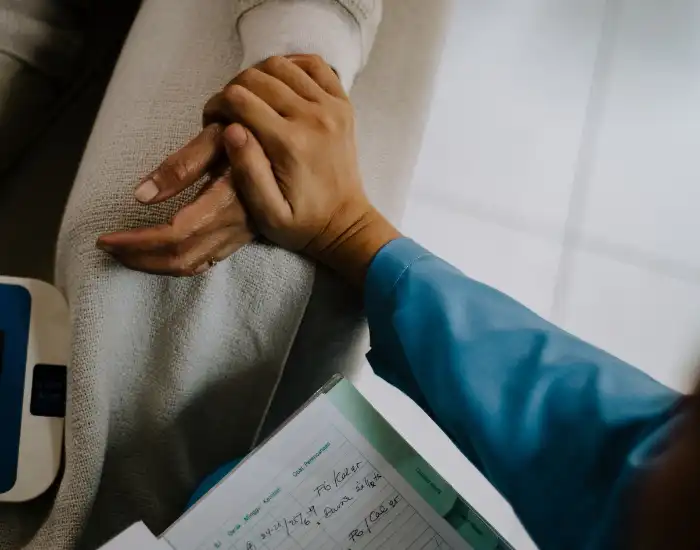
Touch can also remain meaningful. Holding a hand, gently stroking the arm, or sitting quietly nearby can create a sense of connection even when verbal responses are no longer possible.
Families who receive structured support through in-patient hospice care or home-based services are often guided through these moments with reassurance and practical advice.

How Families Can Provide Comfort in the Final 48 Hours
While families cannot stop the natural process of dying, they can play an essential role in ensuring comfort and dignity. Small gestures often make the most meaningful difference.
Keeping the environment calm and quiet helps reduce overstimulation. Soft lighting, gentle voices, and familiar surroundings can create a peaceful atmosphere. Repositioning the patient carefully, with professional guidance, can also help prevent discomfort from pressure or stiffness.
Moisturizing lips, offering gentle mouth care, and ensuring the patient is not too hot or cold are practical ways to provide comfort. Even if a person is not eating or drinking, maintaining oral care is important for dignity and comfort.
Families should also consider emotional presence as a form of care. Sitting quietly, reading aloud, or playing soft music can provide reassurance.
Hospice services often include guidance on these practices, and many families find additional clarity through resources such as family planning decisions in hospice care, which help prepare emotionally and practically for this stage.
Signs Death May Be Hours Away
As the final hours approach, certain changes may become more pronounced. Breathing may become very irregular or stop for longer periods. The pulse may become weak or difficult to detect. The eyes may remain partially open, and the jaw may relax.
At this stage, the person may no longer respond to voice or touch. However, this does not necessarily mean awareness is gone completely.
These signs often indicate that death is very near, sometimes within hours. Hospice teams are trained to recognize these changes and support families through them with calm guidance and reassurance.
It is important to remember that there is no exact “timeline” that applies to everyone. Each person’s journey is unique, and the timing can vary based on illness, overall health, and other medical factors.
Families who have access to structured care through different levels of hospice care often feel more supported during this unpredictable phase.
How Hospice Helps During the Final 48 Hours
When a loved one enters the last 48 hours of life, hospice care becomes especially important in ensuring comfort, dignity, and emotional support for both the patient and the family. This stage is often filled with uncertainty, but hospice professionals are trained specifically to guide families through these exact moments.
Hospice teams focus on comfort rather than curative treatment. This means managing symptoms like pain, breathlessness, restlessness, and anxiety in a way that prioritizes peace and dignity. Nurses may adjust medications, reposition the patient for ease of breathing, and provide guidance on what changes to expect next.
Beyond medical care, hospice also provides emotional and spiritual support. Chaplains, counselors, and trained caregivers help families process what is happening in real time. This holistic approach ensures that no one goes through the final stage of life alone or without guidance.
Many families also benefit from understanding the structure of services like dedicated hospice care teams, who coordinate care across nurses, aides, and support staff to ensure continuity and compassion during this sensitive time.
Hospice Support in Sugar Land and Houston
For families in Sugar Land, Houston, and surrounding Texas communities, access to reliable hospice care can make a significant difference in how peacefully the final days are experienced. Local in-home hospice providers allow patients to remain in familiar surroundings, which can reduce anxiety and promote comfort.
Services such as in-home hospice care in Sugar Land and Houston ensure that medical support, nursing visits, and emotional care are delivered directly to the patient’s residence. This helps families stay close and involved while receiving professional guidance every step of the way.
Some families may also require additional support depending on medical complexity, including in-patient hospice care options when symptoms require closer monitoring or specialized management.
Understanding care options early can reduce stress when urgent decisions need to be made. Many families also explore resources such as who pays for hospice care to better plan financially and emotionally ahead of time.
In Sugar Land and Houston, hospice support is not just about medical care—it is about ensuring that every moment matters, and that no family has to navigate this journey alone.
Frequently Asked Questions
1. How long does the final stage of life usually last?
The final stage can vary widely. For some individuals, it may last a few hours, while for others it may extend over several days. There is no exact timeline that applies to everyone.
2. Are patients in pain during the last 48 hours?
Not necessarily. With proper hospice care, pain and discomfort are carefully managed. Many patients appear peaceful and comfortable even as the body naturally slows down.
3. Can a dying person still recognize family members?
Yes, in many cases recognition remains even when verbal communication decreases. Hearing is often one of the last senses to fade.
4. Should we stop giving food and water?
In most cases, forcing food or fluids is not recommended because the body can no longer process them effectively. Comfort care like mouth swabs and lip care is usually preferred.
5. What is the most important thing families can do?
The most important thing is to provide presence, comfort, and reassurance. Simple actions like holding a hand or speaking softly can be deeply meaningful.
Final Thoughts
The last 48 hours before death are a deeply emotional and transformative time. While the physical changes can feel overwhelming, understanding them helps families shift focus from fear to comfort and presence.
Every person’s journey is unique, but compassion, support, and dignity remain constant priorities. With the right guidance from hospice professionals, families can navigate this stage with greater peace and confidence.
For those seeking support in Texas, services like palliative care and hospice support can make this journey more comfortable for both patients and loved ones.
Medical Disclaimer
This article is for educational purposes only and is not a substitute for professional medical advice, diagnosis, or treatment. Always consult qualified healthcare providers for guidance regarding end-of-life care decisions.