The last week of life is often a time of gradual but noticeable change. For families, it can feel like everything is shifting day by day, sometimes even hour by hour. While each person’s experience is unique, there are common patterns that tend to appear as the body begins its final stage of decline.
Understanding these changes does not make the emotional weight disappear, but it can bring clarity during a very uncertain time. Instead of fearing each new symptom, families can begin to recognize what is part of the natural process and what simply needs comfort-focused care.
In hospice care, the last week is considered an important transition period where the focus shifts fully from treatment to comfort, dignity, and emotional support. This is often when families spend the most meaningful time together, even if communication becomes limited.
Table of Contents
Important Note
The last week of life does not follow a strict or predictable timeline. Some individuals may show significant changes over several days, while others may appear relatively stable until the final 24–48 hours. The goal of understanding these signs is not to predict the exact moment of death, but to help families provide comfort and reduce anxiety. Hospice professionals are trained to guide families through each stage with reassurance and support.
Overview of the Last Week of Life
During the final week, the body begins to slow down more noticeably. Organ systems reduce their activity, energy levels drop, and the person’s awareness of surroundings often changes. This phase is sometimes described as the transition into “actively dying,” although the exact timing varies widely between individuals.
Families may begin to notice that their loved one is less interested in conversation, food, or daily activities. Sleep becomes more frequent, and periods of alertness may become shorter. These changes are not sudden failures of the body but rather part of a natural and gradual process.
In many cases, patients receiving in-home hospice care are already being supported through these transitions with regular monitoring and comfort-focused interventions.
Early Physical Changes in the Final Week
One of the first noticeable signs in the last week of life is a decline in physical strength. Simple movements such as sitting up, turning in bed, or speaking may require more effort. The person may appear weaker or more fatigued than before.
This is due to the body conserving energy and reducing unnecessary functions. Muscles begin to relax, and physical endurance decreases significantly. Even small tasks can feel exhausting for the patient.
Families often describe this stage as a slow withdrawal from daily life. It is not emotional withdrawal in every case, but rather a physical limitation that naturally occurs as the body begins to conserve energy for essential functions.
Support from a hospice care team becomes especially valuable during this stage, as they help families understand what is normal and how to adjust care accordingly.
Increased Sleep and Reduced Awareness
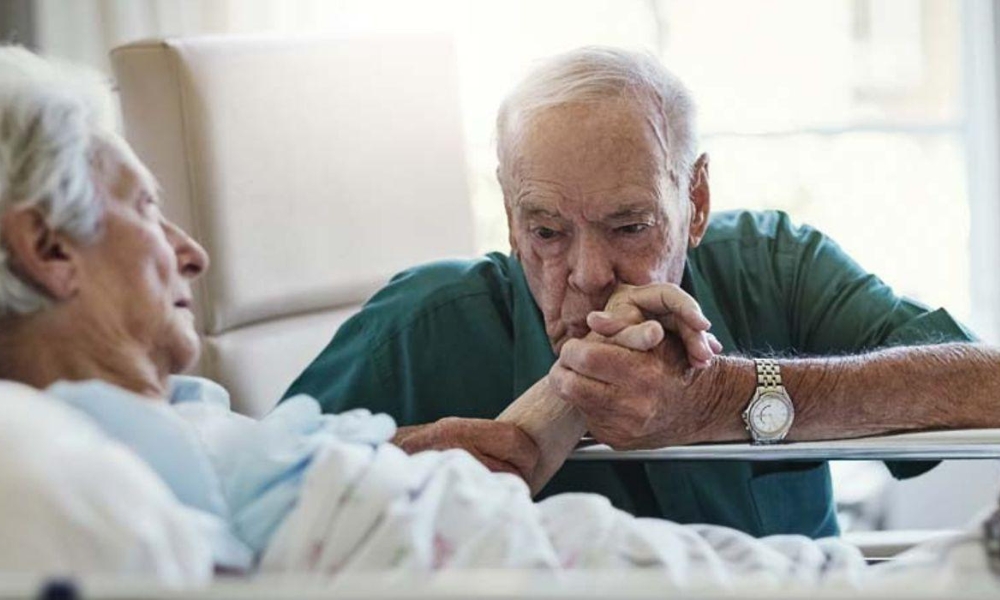
As the body enters the last week of life, sleep becomes significantly more frequent. The person may spend most of the day asleep, waking only briefly or not at all. When awake, they may seem drowsy, confused, or less engaged in conversation.
This happens because the brain is receiving less energy and oxygen as circulation slows. The body prioritizes vital organs, and wakefulness becomes less frequent as a result.
Even when a person appears unresponsive, many hospice professionals encourage families to continue speaking gently, as hearing may still be partially active.
This stage often feels emotionally difficult for families, but it is important to understand that increased sleep is a natural protective response, not necessarily a sign of distress.
Understanding resources like stages of palliative care can help families better interpret these changes without fear.
Loss of Appetite and Reduced Thirst
Another common sign in the last week of life is a significant decrease in appetite and thirst. Meals may be refused, and even favorite foods may no longer be of interest.
This change can be emotionally challenging for families because feeding is often associated with care and love. However, the body no longer requires the same level of nutrition or hydration during this stage.
Forcing food or fluids can sometimes lead to discomfort, such as nausea or fluid buildup. Instead, care focuses on comfort measures such as mouth care, lip moisturizing, and small sips of water if desired.
Families often feel reassured when they understand hospice eligibility requirements, which explain why these changes are expected in end-of-life care.
Important Note
Changes in eating, drinking, and sleep patterns can feel distressing, but they are often part of the body’s natural process of slowing down. Families should not interpret these changes as suffering. Instead, the focus should shift toward comfort, emotional presence, and gentle care. Hospice teams are trained to guide families through these transitions and ensure the patient remains comfortable.
Breathing Changes in the Last Week of Life
Breathing changes are one of the most noticeable and emotionally impactful signs in the final week of life. Families often describe these changes as unpredictable, sometimes steady and other times irregular, which can naturally create concern.
As the body weakens, breathing may become slower, more shallow, or uneven. There may be periods where breathing pauses for several seconds before restarting again. This pattern is a normal part of the body’s gradual shutdown process and is commonly observed in hospice care settings.
In some individuals, breathing may also become noisy due to the accumulation of natural secretions in the throat. This sound, often called the “death rattle,” can be distressing to hear, but it is generally not a sign of pain or discomfort for the patient.
Hospice professionals may use repositioning techniques, gentle suction when appropriate, or medications to help reduce secretions and improve comfort. Families supported through in-home hospice care often feel more reassured when these symptoms are explained and managed in real time.
Circulation and Body Temperature Changes
As the last week progresses, circulation slows significantly. The heart pumps less efficiently, and blood flow is prioritized toward vital organs. As a result, the hands, feet, arms, and legs may feel noticeably cooler than the rest of the body.
Skin color may also begin to change. It can appear pale, slightly bluish, or mottled with patchy discoloration. These changes are medically known as peripheral shutdown and are expected during the final stage of life.
Although these signs can be emotionally difficult for families to witness, they do not usually indicate distress. Instead, they reflect the body’s natural process of conserving energy as it prepares for the end of life.
Simple comfort measures such as adjusting blankets, maintaining a calm environment, and gentle touch can provide reassurance during this stage. Families often benefit from understanding structured care options like four levels of hospice care, which guide symptom management as needs change.

Emotional and Behavioral Changes
In the final week of life, emotional and behavioral changes are also common. Some individuals may become quieter and more withdrawn, while others may show brief moments of clarity or increased emotional expression.
Confusion can occur due to changes in oxygen levels, medication effects, or natural brain changes as the body slows down. This may lead to restlessness, repeated movements, or difficulty recognizing surroundings at times.
At the same time, families may also experience unexpected moments of connection. A loved one who has been mostly unresponsive may suddenly open their eyes, say a few meaningful words, or respond briefly to familiar voices. These moments can feel deeply significant and emotionally powerful.
Hospice teams are trained to help families understand these fluctuations and ensure the patient remains comfortable. Emotional support services such as grief support programs can also help families process what they are experiencing during this time.
Changes in Awareness and Communication
As the final week continues, communication often becomes more limited. Speech may slow down, words may become fewer, or the person may stop speaking altogether. However, this does not always mean awareness is completely lost.
Many healthcare professionals believe that hearing remains one of the last senses to diminish. This is why families are encouraged to continue speaking gently, offering reassurance, and sharing comforting words even when there is no visible response.
Simple phrases such as “You are loved,” or “It’s okay to rest now,” can provide emotional comfort to both the patient and the family.
Support from a dedicated hospice care team ensures families are not alone in interpreting these changes and can focus on meaningful presence rather than uncertainty.
Restlessness and Final Week Agitation
As the last week of life continues, some individuals may experience periods of restlessness or agitation. This can include repetitive movements, picking at blankets, attempting to sit up, or appearing unsettled without a clear reason.
This type of behavior is often not caused by emotional distress alone. Instead, it may be related to changes in oxygen levels, medication adjustments, dehydration, or the natural slowing of brain function as the body begins to shut down.
While it can be distressing for families to witness, hospice professionals recognize this as a common and manageable symptom. Comfort-focused care may include repositioning, calming presence, or medication adjustments to ease agitation and promote peace.
Families receiving in-home hospice care are often guided step-by-step on how to respond calmly during these moments so the environment remains as peaceful as possible.
Emotional Withdrawal and Reduced Interaction
Another important sign in the last week of life is emotional withdrawal. The person may begin to show less interest in conversations, surroundings, or even familiar people. This withdrawal can happen gradually or quite suddenly depending on the individual.
This does not necessarily mean emotional detachment in the way families may fear. Instead, it often reflects a natural inward focus as the body and mind conserve energy.
Some individuals may spend long periods with their eyes closed, even when awake. Others may respond only briefly to voices or touch. Despite this reduced interaction, many families find comfort in continuing to sit nearby, speak softly, or simply hold a hand.
Understanding the broader care process through palliative care support can help families accept these changes with less fear and more clarity.
Signs the Final Hours May Be Approaching
As the end of the week nears, some signs may indicate that death is approaching within hours rather than days. Breathing may become more irregular, with longer pauses and very shallow breaths. The pulse may become extremely weak or difficult to detect.
The person may no longer respond to voice or touch. Eyes may remain partially open, and facial muscles may relax. The body often appears very still, with minimal movement.
These signs can be emotionally intense for families, but they are part of the natural transition process. Hospice professionals help families understand that this stage is not about distress but about the body completing its final journey.
Support resources such as family planning and decision support can help families feel more prepared during these final moments.
The Role of Hospice in the Last Week of Life
Hospice care becomes especially important during the final week. The focus is entirely on comfort, dignity, and emotional support rather than curative treatment. Nurses, aides, and support staff work together to ensure symptoms are managed effectively and families feel supported.
Care may include pain management, breathing support, repositioning assistance, and emotional or spiritual counseling. Hospice teams also help families understand what changes to expect next so there are fewer surprises during this emotional time.
In more complex situations, services such as in-patient hospice care may be recommended when symptoms require closer monitoring or specialized medical support.
Supporting the Family Through the Final Week
The last week of life is not only significant for the patient but also deeply impactful for families. Emotional responses can vary widely, including sadness, anxiety, acceptance, or even exhaustion from caregiving responsibilities.
Hospice care extends support to families through counseling, education, and grief resources. Knowing what is happening physically can reduce fear and help families focus on spending meaningful time together.
Simple actions—sitting quietly, speaking gently, or sharing memories—often become the most meaningful forms of connection during this time.
Families who understand options such as hospice care team support often feel less alone and more confident in handling each stage as it comes.
Frequently Asked Questions
1. How long does the last week of life usually last?
The last week can vary significantly. Some people may progress through changes quickly in a few days, while others may remain stable for longer before entering the final hours.
2. Is it normal for eating and drinking to stop?
Yes. Reduced appetite and thirst are common as the body naturally slows down and requires less energy.
3. Do patients feel pain during the last week?
Not necessarily. Hospice care focuses on symptom control to ensure comfort and reduce pain or distress as much as possible.
4. Can a person still hear us in the last week?
Hearing is often one of the last senses to fade, so speaking softly and offering reassurance is still meaningful.
5. What should families do during this time?
Being present, offering comfort, and staying close is the most important support families can provide.
Final Thoughts
The last week of life is a deeply emotional and significant stage. While the physical changes can be difficult to witness, understanding them helps families replace fear with awareness and presence.
With the support of hospice professionals, families are guided through each step with compassion, clarity, and dignity. The focus remains on comfort, love, and meaningful connection during the final days.
Medical Disclaimer
This article is for educational purposes only and should not replace professional medical advice. Always consult qualified healthcare providers for guidance regarding end-of-life care and medical decisions.