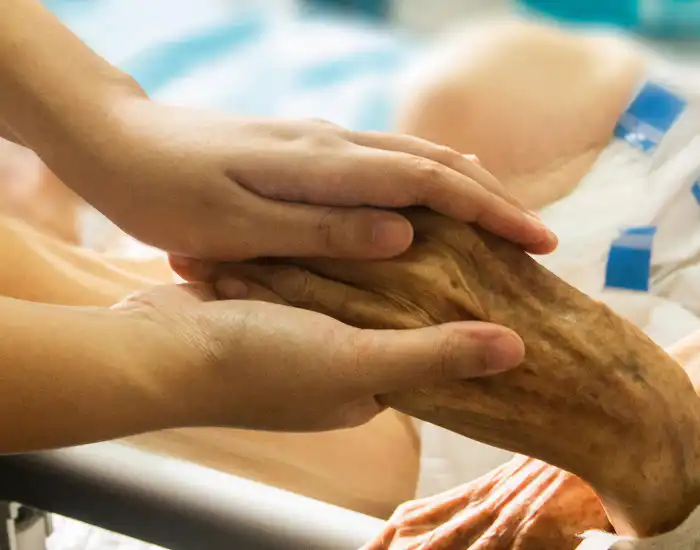
Watching someone you love live with dementia is one of the most emotionally difficult experiences a family can face. In the early stages, memory lapses and confusion may be frustrating but manageable. Over time, however, dementia gradually affects nearly every aspect of a person’s life, including communication, mobility, eating, and the ability to perform even the most basic daily activities.
When dementia reaches its final stage, families often find themselves asking difficult questions. Is this the end stage of the disease? What symptoms should we expect? How can we keep our loved one comfortable? And perhaps most importantly, when is it time to consider hospice care?
Unlike many illnesses that follow a predictable path, advanced dementia can progress slowly and unevenly. Some individuals decline over months, while others may live with severe symptoms for years. Understanding the signs of end-stage dementia can help families prepare emotionally, make informed healthcare decisions, and ensure their loved one receives compassionate, dignity-focused care.
Table of Contents
- What Is End-Stage Dementia?
- Common Signs of End-Stage Dementia
- Loss of Communication Abilities
- Severe Mobility Limitations
- Difficulty Eating and Drinking
- Frequent Infections and Medical Complications
- Important Note for Families
- When Hospice May Help
- Benefits of Hospice Care for Dementia Patients
- Hospice Support in Sugar Land and Houston
- Frequently Asked Questions
Important Note
Many families do not realize that dementia is ultimately a terminal illness. Understanding the symptoms of advanced dementia can help you recognize changes early, reduce uncertainty, and make care decisions that prioritize comfort, dignity, and quality of life. While some symptoms may develop gradually, others can appear suddenly, making professional support especially valuable during this stage.
What Is End-Stage Dementia?
End-stage dementia refers to the most advanced phase of diseases such as Alzheimer’s disease, vascular dementia, Lewy body dementia, and other progressive neurodegenerative disorders. At this point, brain damage has become extensive, affecting not only memory but also physical function, communication, swallowing, and overall independence.
Many people think dementia is simply memory loss. In reality, advanced dementia affects the body’s ability to perform essential functions. As the disease progresses, patients become increasingly dependent on caregivers for nearly every aspect of daily living.
During this stage, individuals often lose the ability to recognize loved ones, express their needs, walk independently, or safely consume food and liquids. The primary focus of care gradually shifts from maintaining independence to maximizing comfort and preserving dignity.
Families navigating these challenges often benefit from understanding both palliative care and hospice services, which are designed to improve quality of life during serious illness.
Common Signs of End-Stage Dementia
The symptoms of advanced dementia can vary from person to person, but several warning signs commonly indicate that the disease has entered its final stage.
One of the defining characteristics is profound cognitive decline. Individuals often become unable to process information, engage in meaningful conversations, or understand their surroundings.
Physical decline also becomes increasingly noticeable. Activities that once seemed simple—such as eating, standing, walking, or changing positions—may require full assistance.
Caregivers frequently notice that their loved one sleeps much more than before, spends less time interacting with others, and appears increasingly withdrawn from the world around them.
While these changes can be heartbreaking, they are often a natural result of ongoing neurological deterioration rather than a reflection of the person’s feelings toward family members.
Loss of Communication Abilities
One of the most difficult aspects of end-stage dementia for families is the gradual loss of communication.
Early in the disease, a person may struggle to find words or follow conversations. In the final stage, communication often becomes extremely limited.
Some patients can only speak a few words. Others may become entirely nonverbal.
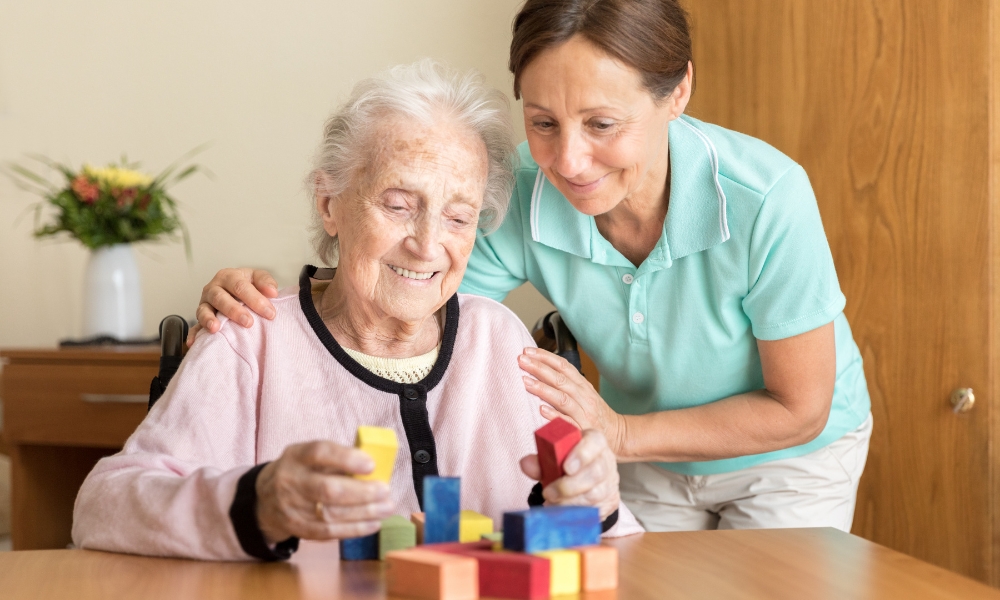
Even when speech disappears, however, many individuals continue to experience emotions and respond to comforting voices, familiar music, gentle touch, and the presence of loved ones.
Families sometimes feel devastated when meaningful conversations are no longer possible. They may wonder whether their loved one still recognizes them or understands what is being said.
Although every case is unique, experts generally encourage families to continue speaking to the patient, offering reassurance, and maintaining emotional connection through nonverbal communication.
Simple acts such as holding a hand, reading aloud, playing favorite songs, or sitting quietly together can provide tremendous comfort.
Hospice professionals frequently help families discover meaningful ways to connect even when verbal communication becomes limited.
Severe Mobility Limitations and Physical Decline
As dementia progresses, physical weakness often becomes increasingly pronounced.
Patients may initially require assistance walking. Over time, many become unable to stand independently, transfer safely, or reposition themselves in bed.
Muscle weakness, poor coordination, balance problems, and neurological deterioration contribute to this decline.
Some individuals become wheelchair-bound. Others spend most or all of their time in bed.
Reduced mobility increases the risk of several complications, including pressure injuries, blood clots, respiratory problems, and infections.
Families caring for someone with advanced dementia often find these physical challenges overwhelming. Providing safe mobility assistance can become physically demanding, particularly when the patient requires around-the-clock care.
This is one reason many families explore in-home hospice care, which provides clinical guidance, symptom management, and caregiver support in the comfort of the patient’s familiar surroundings.
Difficulty Eating and Drinking
Difficulty eating and drinking is among the most significant signs of end-stage dementia.
The disease gradually affects the brain’s ability to coordinate swallowing, recognize hunger, and safely consume food and liquids.
Families may notice their loved one taking much longer to eat, forgetting how to use utensils, refusing meals, or coughing while swallowing.
Over time, food intake often decreases substantially.
This change can be particularly distressing because eating is such a fundamental part of life and caregiving. Many family members worry they are somehow failing their loved one when appetite declines.
In reality, reduced eating and drinking are often natural consequences of advanced dementia.
Weight loss becomes common. Muscle mass decreases. Energy levels decline. The body’s nutritional needs may also change as disease progression continues.
Healthcare providers typically focus on comfort rather than forcing nutrition, which can sometimes create additional discomfort or complications.
Individualized care plans developed by an experienced hospice care team can help families navigate these difficult decisions while prioritizing patient comfort.
Frequent Infections and Medical Complications
As dementia advances, the body’s ability to fight illness often weakens.
Many patients experience recurring infections, particularly pneumonia and urinary tract infections.
Aspiration pneumonia is especially common in advanced dementia. This occurs when food, liquids, or saliva enter the lungs instead of being swallowed properly.
Because swallowing difficulties become more pronounced in late-stage disease, the risk of aspiration increases significantly.
Even minor infections can become serious for individuals whose bodies are already weakened by advanced neurological decline.
Hospitalizations may become more frequent, and recovery periods often become longer and more difficult.
For many families, repeated infections are one of the clearest indications that the disease is entering its final stage.
Understanding these complications can help families make informed decisions about goals of care and whether comfort-focused approaches may better align with the patient’s wishes and overall quality of life.
Increased Sleeping and Withdrawal From Surroundings
One of the most noticeable changes families observe during end-stage dementia is a significant increase in sleeping. A loved one who once enjoyed conversations, television programs, family visits, or favorite hobbies may gradually spend more time resting and less time interacting with the world around them.
This change can be difficult to understand. Family members sometimes worry that their loved one is depressed, upset, or intentionally withdrawing. In most cases, however, increased sleeping is a result of the disease process itself.
As dementia progresses, the brain requires more energy to perform even basic functions. Physical weakness, nutritional decline, and overall disease burden contribute to profound fatigue.
Patients may sleep for most of the day and wake only briefly for meals, medication administration, or personal care. Over time, even these wakeful periods may become shorter.
Withdrawal from social interaction is also common. Individuals who once enjoyed family gatherings may appear less responsive during visits. Some stop initiating conversations altogether. Others may open their eyes briefly but show little engagement with their surroundings.
Although these changes can feel painful, families should remember that hearing may remain intact even when responsiveness decreases. Speaking gently, playing familiar music, reading favorite passages, or simply sitting quietly nearby can continue to provide comfort and reassurance.
Many hospice professionals encourage loved ones to continue these meaningful connections even when outward responses become minimal.
Progressive Weight Loss and Physical Frailty
Weight loss is one of the hallmark signs of advanced dementia.
Several factors contribute to this decline. Reduced appetite, swallowing difficulties, decreased activity levels, and the body’s changing metabolic needs all play a role.
Even when caregivers provide excellent support, significant weight loss often continues as dementia advances.
Patients may appear increasingly frail. Their arms and legs may become noticeably thinner. Clothing may fit loosely. Facial features may appear more prominent as muscle mass decreases.
Families often struggle emotionally when they witness these changes. Feeding a loved one is one of the most basic expressions of care, and watching someone eat less can create feelings of helplessness.
Healthcare providers frequently reassure families that reduced food intake is a natural part of advanced dementia rather than a reflection of inadequate caregiving.
The primary goal becomes maintaining comfort rather than forcing nutrition. Offering favorite foods, honoring preferences, and focusing on enjoyable eating experiences often become more important than calorie counts.
For many patients, comfort-focused care provided through palliative care services or hospice support helps reduce stress surrounding nutrition while preserving dignity.
Changes in Breathing and Circulation
As end-stage dementia progresses, families may begin noticing changes in breathing patterns and circulation.
Breathing may become slower, more irregular, or occasionally pause for brief periods before resuming. Some patients develop shallow breathing patterns, while others experience episodes of rapid breathing followed by periods of rest.
These changes often occur because the body’s systems are gradually slowing down.
Circulation may also become less efficient. Hands and feet can feel cooler to the touch. Skin color may change slightly, particularly in the extremities. Some individuals develop mottling, a blotchy discoloration of the skin that may appear during the final stages of life.
While these symptoms can be alarming for family members, they are often natural physiological changes rather than signs of suffering.
Experienced hospice nurses help families understand what these changes mean and provide reassurance during what can be an emotionally overwhelming time.
The presence of knowledgeable clinicians often reduces anxiety and helps loved ones focus on spending meaningful time together rather than worrying about every physical change.
Signs That Death May Be Approaching in Advanced Dementia
One of the most common questions families ask is whether there are specific signs that indicate death may be approaching.
Although no one can predict the exact timing, several changes frequently occur during the final weeks or days of life.
Patients may become increasingly difficult to awaken. They may stop eating almost entirely and drink very little. Communication often becomes minimal or nonexistent.
Physical weakness typically becomes profound. Most individuals remain in bed and require complete assistance with all care needs.
Breathing patterns may change noticeably. Some people develop periods of rapid breathing followed by pauses. Others breathe more slowly and quietly.
Family members may also notice reduced urine output, cooler skin, and increasing withdrawal from surroundings.
These changes are often part of the body’s natural transition process rather than indicators of discomfort.
Hospice teams help families understand what to expect while focusing on symptom management, emotional support, and maintaining the patient’s comfort.
For many families, having compassionate guidance during these final stages provides reassurance and peace of mind.
Important Note
Not every symptom means death is imminent. Dementia progression can be unpredictable, and some patients experience periods of stability even after significant decline. If you notice concerning changes, it is important not to assume the worst or attempt to self-diagnose. Healthcare professionals can help determine whether symptoms represent disease progression, a treatable complication, or a transition toward the final stage of life. Seeking guidance early often reduces anxiety and allows families to make thoughtful care decisions.
When Hospice May Help Someone With End-Stage Dementia
Many families are surprised to learn that dementia is one of the most common diagnoses among hospice patients.
Unfortunately, hospice referrals for dementia often occur later than they should.
Because dementia progresses gradually, families sometimes struggle to recognize when comfort-focused care may be more beneficial than aggressive medical interventions.
Hospice may become appropriate when a patient demonstrates advanced cognitive decline alongside significant physical deterioration.
Common indicators include inability to walk independently, inability to communicate meaningfully, difficulty swallowing, frequent infections, progressive weight loss, and dependence on caregivers for all activities of daily living.
At this stage, hospice shifts the focus from attempting to prolong life at all costs toward maximizing comfort, dignity, symptom relief, and quality of life.
This approach often aligns closely with the goals of patients and families who want to avoid unnecessary hospitalizations and invasive procedures.
Families who are uncertain about eligibility can review the hospice eligibility requirements or speak directly with a hospice provider for an individualized assessment.
How Hospice Improves Quality of Life for Dementia Patients
One of the greatest misconceptions about hospice is that it represents giving up.
In reality, hospice is an active form of specialized care designed to improve quality of life during a serious illness.
For patients with advanced dementia, hospice provides comprehensive support that addresses physical, emotional, and spiritual needs.
Nurses help manage symptoms such as pain, agitation, breathing difficulties, skin breakdown, and swallowing challenges. Physicians oversee care plans and medication management. Social workers support families navigating difficult decisions. Chaplains provide spiritual guidance when desired.
The result is a coordinated care approach that prioritizes comfort while supporting both patients and caregivers.
Many families report that hospice allows them to spend more meaningful time with their loved one because they are no longer managing every challenge alone.
Instead of constantly coordinating medical appointments or emergency room visits, they can focus on connection, presence, and emotional support.
Hospice vs Palliative Care for Dementia
Families often hear the terms hospice care and palliative care used together, which can create confusion.
While both approaches focus on comfort and quality of life, there are important differences.
Palliative care can be provided at any stage of a serious illness and may be delivered alongside curative treatments.
Hospice care, on the other hand, is generally intended for patients whose physicians believe they may have six months or less to live if the disease follows its expected course.
For individuals with advanced dementia, hospice often becomes appropriate when the disease has progressed to the point where daily functioning is severely impaired and comfort becomes the primary goal of care.
Both services emphasize symptom relief, family support, and improved quality of life. The key distinction lies primarily in prognosis and treatment goals.
Why Families Often Wait Too Long to Seek Hospice Care
Many families delay hospice because they associate it exclusively with the final days of life.
This misunderstanding can prevent patients from receiving valuable support earlier in their disease journey.
Research consistently shows that patients and families frequently experience greater benefits when hospice begins sooner rather than later.
Earlier enrollment allows time to build relationships with caregivers, develop personalized care plans, address symptoms proactively, and access emotional and spiritual support resources.
Families often tell hospice teams they wish they had sought help earlier.
By understanding the signs of end-stage dementia and recognizing when hospice may be appropriate, families can make decisions that prioritize comfort, dignity, and quality of life rather than waiting for a crisis to occur.
How Hospice Supports Families During End-Stage Dementia
When a loved one reaches the final stage of dementia, the emotional weight on families can be just as heavy as the medical challenges. Many caregivers describe feeling exhausted, uncertain, and emotionally overwhelmed after months or even years of providing care.
This is where hospice becomes more than medical support—it becomes a structured system of relief for families as well as patients.
Hospice teams step in to help manage daily care needs that have become too complex or physically demanding for families to handle alone. Nurses monitor symptoms and adjust care plans. Home health aides assist with bathing, hygiene, and comfort care. Social workers provide emotional guidance. Chaplains offer spiritual support when desired.
One of the most important benefits families often notice is that they are no longer alone in decision-making. Instead of trying to interpret every change in condition, they have experienced professionals guiding them through what is happening and what to expect next.
This support reduces fear and helps families focus on meaningful time with their loved one rather than constant worry about medical decisions.
Emotional and Psychological Support for Caregivers
Caring for someone with advanced dementia is often described as a long emotional journey filled with grief that begins long before physical loss occurs.
This experience is sometimes called “anticipatory grief.” Families grieve the gradual loss of memory, personality, communication, and independence while their loved one is still physically present.
Hospice care recognizes this emotional burden and includes structured support systems to help caregivers cope.
Support may include counseling, regular check-ins, respite care options, and access to grief support services after the patient passes away.
Many families find comfort in simply having someone to talk to who understands the emotional complexity of dementia caregiving. Hospice staff are trained not only in medical care but also in compassionate listening and emotional reassurance.
These services help prevent caregiver burnout and allow families to remain emotionally present during their loved one’s final stage of life.
Improving Comfort and Dignity in the Final Stage
At the end stage of dementia, the primary goal of care shifts from treatment and correction to comfort and dignity.
This means focusing on relieving pain, reducing agitation, maintaining skin integrity, and ensuring the patient feels safe and calm.
Even when communication is limited, patients may still experience discomfort, fear, or confusion. Hospice professionals are trained to recognize subtle signs of distress that families might not immediately notice.
Medication adjustments, positioning techniques, gentle hygiene care, and environmental changes can significantly improve comfort.
Small details—such as soft lighting, familiar voices, or calming music—can make a meaningful difference in the patient’s emotional state.
Families often report that hospice care helped restore a sense of peace during a deeply difficult time, allowing their loved one to pass with greater comfort and dignity than they thought possible.
Supporting Nutrition and Hydration Decisions
One of the most emotionally difficult decisions in end-stage dementia involves eating and drinking.
As swallowing ability declines, families often feel pressure to continue feeding even when it becomes difficult or unsafe.
Hospice teams help guide these decisions with a focus on comfort rather than forceful intake.
Instead of focusing on calories or nutritional targets, the emphasis shifts to comfort feeding—offering small amounts of food or fluids only when the patient is awake, receptive, and able to swallow safely.
This approach reduces the risk of aspiration and discomfort while respecting the natural progression of the disease.
Families are often reassured to learn that decreased appetite is not causing suffering. It is a natural part of the body’s slowing processes during advanced illness.
Guidance from an experienced hospice care team helps families feel more confident and less guilty about these deeply emotional decisions.
When Hospice Becomes the Right Step
Determining the right time for hospice is never easy, especially in dementia, where decline is gradual and unpredictable.
However, certain patterns often indicate that hospice may now provide the most benefit.
These include severe memory loss, inability to recognize close family members, inability to walk or sit without assistance, difficulty swallowing, recurrent infections, significant weight loss, and dependence on caregivers for all activities of daily living.
At this stage, continuing aggressive medical treatment often provides little benefit and may increase discomfort.
Hospice focuses instead on reducing suffering and improving quality of life in the time that remains.
Families who are unsure can always review hospice eligibility criteria or request a professional evaluation to better understand whether their loved one qualifies.
Local Hospice Support in Sugar Land and Houston
Families in Sugar Land, Houston, Pearland, Stafford, Richmond, and surrounding Texas communities often face similar challenges when caring for someone with advanced dementia.
At Sahara Hospice Care, we understand how emotionally and physically demanding this journey can be. Our approach focuses on comfort, dignity, and personalized support for both patients and families.
Whether care is provided at home or in a supportive setting, our goal is to ensure that every patient receives compassionate attention tailored to their needs.
We also help families navigate important decisions such as family care planning, symptom management, and end-of-life preparation, so they never feel alone in the process.
Frequently Asked Questions About End-Stage Dementia
How long does end-stage dementia last?
End-stage dementia can last weeks, months, or sometimes longer. The progression varies widely depending on the individual’s overall health and type of dementia.
Is dementia considered a terminal illness?
Yes. Dementia is a progressive and ultimately terminal condition, although the timeline is often unpredictable.
What are the first signs that dementia is becoming severe?
Common early indicators of late-stage dementia include increased sleeping, loss of communication, difficulty swallowing, and reduced mobility.
Can dementia patients recover once they reach the final stage?
No. While temporary improvements in alertness may occur, end-stage dementia is not reversible.
Does hospice help dementia patients at home?
Yes. In-home hospice care is one of the most common and effective forms of support for dementia patients.
When should hospice be considered for dementia?
Hospice should be considered when a patient can no longer perform basic daily activities, has significant cognitive decline, and shows physical deterioration such as weight loss or recurrent infections.
Conclusion
End-stage dementia is a deeply challenging phase for both patients and families. The gradual loss of memory, communication, mobility, and independence can feel overwhelming and emotionally exhausting.
However, understanding the signs of advanced dementia helps families prepare, make informed decisions, and focus on what matters most—comfort, dignity, and meaningful connection.
Hospice care plays an important role in supporting this stage of life by reducing suffering, guiding families through complex decisions, and ensuring patients receive compassionate, personalized care.
While the journey is never easy, no family has to go through it alone. With the right support system, it is possible to create a more peaceful and dignified experience for both patients and loved ones.
Medical Disclaimer
This article is for educational purposes only and should not be considered medical advice. Always consult a qualified healthcare professional for diagnosis, treatment decisions, or hospice eligibility evaluation for individuals with dementia or other medical conditions.