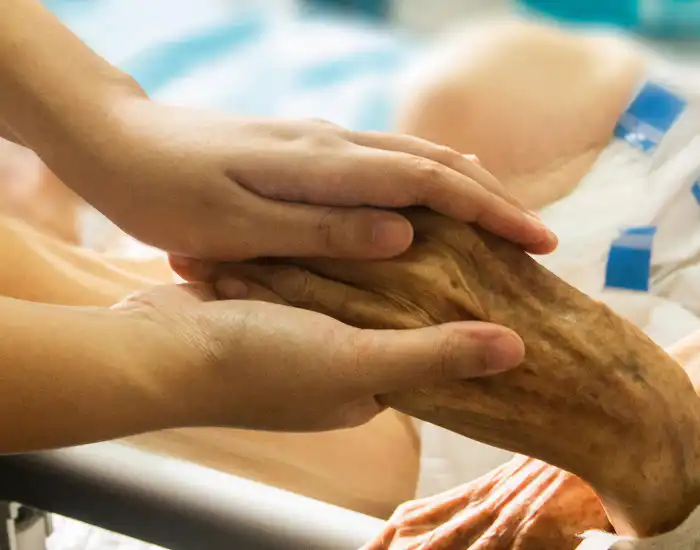
One of the most difficult decisions families face during a serious or terminal illness is knowing when to consider hospice care. It is not always a clear or immediate choice. In many cases, families wait until a crisis occurs before seeking support, often because they are unsure of the right timing or afraid that choosing hospice means “giving up.”
In reality, hospice care is not about giving up—it is about shifting the focus from cure to comfort when a disease is no longer responding to treatment. It allows patients to live with dignity, reduced pain, and emotional support during the time they have left.
Understanding the signs early can make a significant difference in quality of life, not just for the patient but also for the family. Hospice care can begin weeks or even months before the final stage, offering support far earlier than many people realize.
Table of Contents
Important Note
Hospice care is typically considered when a doctor believes a patient may have about six months or less to live if the illness follows its natural course. However, this is not a strict timeline. Many patients actually benefit from starting hospice earlier, which allows for better symptom management, emotional support, and improved quality of life. Families should view hospice as a support system, not a final step taken only at the very end.
Understanding When Hospice Becomes Appropriate
Hospice care becomes appropriate when a serious illness is no longer responding to curative treatment and the focus shifts toward comfort, dignity, and quality of life. This does not mean stopping all medical care—it means changing the goal of care.
Conditions such as advanced cancer, late-stage heart failure, COPD, kidney failure, dementia, and other progressive illnesses often reach a point where continued aggressive treatment may no longer improve outcomes. At this stage, hospice can provide relief from symptoms and emotional burden.
Many families first hear about hospice too late, often during hospital admissions or medical emergencies. However, early understanding of palliative care support can help bridge the gap before hospice becomes necessary.
Patients who receive in-home hospice care often experience greater comfort, fewer hospital visits, and more meaningful time with family.
Medical Signs It May Be Time for Hospice Care
Doctors often look for specific clinical patterns when recommending hospice care. One of the most important indicators is a noticeable decline in overall health despite ongoing treatment.
This may include worsening symptoms, reduced response to medications, and increasing difficulty managing pain or discomfort. When treatments no longer provide meaningful improvement, it may signal that the focus should shift toward comfort care.
Another key indicator is disease progression that is clearly advanced and irreversible. At this stage, medical interventions may only prolong discomfort rather than improve quality of life.
Hospice care teams are trained to evaluate these patterns alongside physicians to determine whether support services are appropriate.
Families who are unsure about timing often benefit from understanding how hospice care teams work and how they support both medical and emotional needs.
Ongoing Physical Decline Over Time
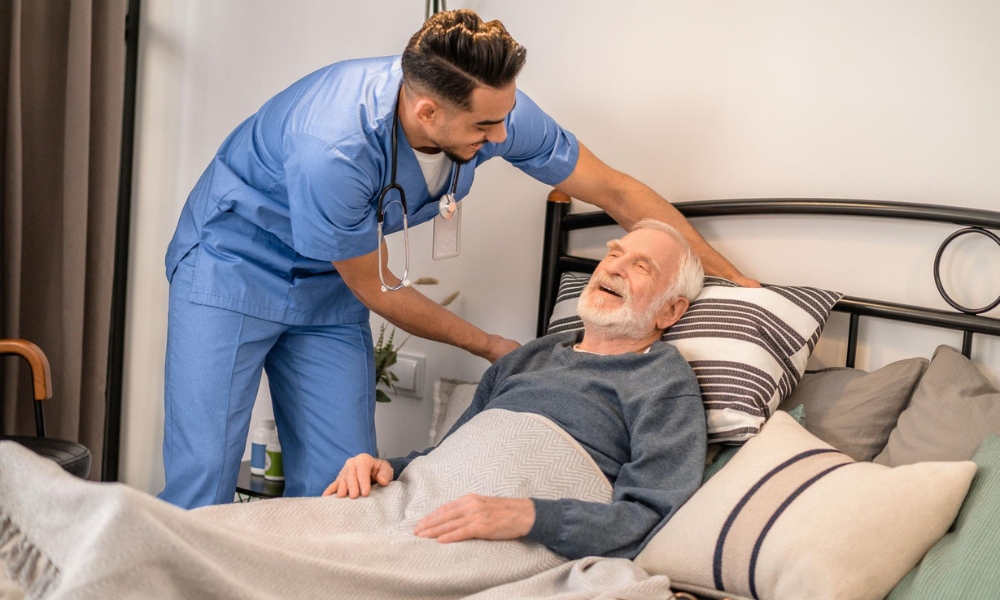
One of the strongest indicators that it may be time for hospice care is a consistent and noticeable decline in physical health over weeks or months. This decline is usually not sudden—it is gradual, but unmistakable when viewed over time.
Patients may begin to lose strength in ways that affect basic movement. Standing up, walking short distances, or even turning in bed may require assistance. Everyday tasks that were once manageable become exhausting. This type of decline is often referred to as functional deterioration, and it is a key marker that the body is no longer responding effectively to treatment.
Families often describe this stage as “watching someone slowly fade in energy.” While emotionally painful, it is medically significant because it shows the body is moving into a more advanced stage of illness.
At this point, in-home hospice care can provide essential support by managing symptoms, reducing discomfort, and helping the patient remain in a familiar and comforting environment.
Frequent Hospital Visits or Emergency Room Trips
Another important sign that hospice care may be appropriate is repeated hospitalizations or emergency room visits. When a patient is frequently admitted for the same or worsening symptoms, it often indicates that the underlying condition is progressing despite medical intervention.
These repeated visits can become physically exhausting for the patient and emotionally draining for the family. In many cases, hospital treatments focus on stabilizing immediate crises rather than improving long-term quality of life.
When this pattern continues, it may be a sign that shifting toward comfort-focused care at home would provide greater stability and peace.
Hospice care helps reduce unnecessary hospital trips by managing symptoms proactively. A dedicated hospice care team can provide regular monitoring, medication adjustments, and immediate support at home when symptoms change.
Significant Weight Loss and Reduced Appetite
Unintentional weight loss is another common sign that a disease is progressing. As the body becomes weaker, appetite often decreases naturally. Meals may be skipped, portion sizes may shrink, and interest in food may fade significantly.
This is not simply a lack of desire to eat—it is a physiological response to the body’s changing energy needs. The digestive system slows down, and the body begins conserving energy for essential functions.
Families often struggle emotionally with this change because food is deeply connected to care and love. However, in advanced illness, forcing food or fluids can sometimes cause discomfort rather than improve strength.
Instead, hospice care focuses on comfort measures such as oral care, lip hydration, and symptom relief.
Understanding hospice eligibility requirements can help families recognize when these changes indicate that hospice support should be considered sooner rather than later.
Important Note
Weight loss, reduced appetite, and fatigue are often signs of disease progression rather than a lack of care or nutrition. Families should avoid forcing meals and instead focus on comfort and dignity. Hospice professionals can guide families through these changes and ensure that patients remain comfortable even when eating becomes difficult or no longer possible.
Difficulty Performing Daily Activities
As illness progresses, one of the clearest signs that hospice care may be needed is difficulty with activities of daily living. These include bathing, dressing, toileting, eating, and moving around safely.
When a patient requires increasing assistance with these tasks, it often reflects a decline in overall physical function. This loss of independence can also affect emotional well-being, leading to frustration, anxiety, or sadness.
Hospice care helps reduce this burden by providing trained caregivers who assist with personal care in a respectful and dignified manner. This support not only improves physical comfort but also preserves the patient’s dignity during a vulnerable stage of life.
In many cases, families also gain emotional relief knowing they are not alone in providing constant care.
Emotional and Family Stress as a Care Indicator
Hospice care is not only based on physical symptoms—it also considers emotional and family stress. Caring for a loved one with a serious illness can be overwhelming, especially when symptoms become unpredictable or difficult to manage.
Family caregivers often experience exhaustion, sleep disruption, anxiety, and emotional burnout. These signs are just as important as medical symptoms when considering hospice support.
When caregiving begins to feel unmanageable, it may indicate that additional professional support is needed to maintain both patient comfort and family well-being.
Hospice services also include emotional counseling and grief support, helping families cope with the psychological impact of serious illness. Services such as grief support programs ensure families are supported not only during care but also after loss.
Recognizing these emotional signs early allows families to access support before burnout becomes overwhelming, creating a more peaceful experience for everyone involved.
When Doctors Begin to Recommend Hospice Care
In many cases, the first real conversation about hospice care begins with a physician’s recommendation. Doctors typically consider hospice when a serious illness has progressed to a point where curative treatments are no longer providing meaningful benefit or when the risks of treatment outweigh the potential improvement in quality of life.
This recommendation is often based on a combination of medical factors such as disease progression, repeated hospitalizations, declining functional status, and overall prognosis. For example, when a patient’s condition continues to worsen despite optimal medical treatment, it may indicate that the focus should shift toward comfort-oriented care.
It is important to understand that a hospice recommendation is not an immediate end-of-life declaration. Many patients live for weeks or months under hospice care, often experiencing improved comfort and stability because symptoms are managed more proactively.
Families who are unsure about what happens next often benefit from reviewing structured care pathways like palliative care services, which can serve as a bridge toward hospice when needed.
How Early Hospice Care Improves Quality of Life
One of the most common misconceptions about hospice is that it should only be started in the final days of life. In reality, starting hospice earlier can significantly improve both physical comfort and emotional well-being.
Early hospice care allows medical teams to manage symptoms more effectively before they become severe. Pain, breathlessness, anxiety, and fatigue can all be addressed in a more controlled and consistent way. This reduces unnecessary hospital visits and helps patients remain in a familiar home environment.
Emotional support is also a key benefit. Patients and families often feel more prepared and less anxious when they have access to a dedicated hospice care team that guides them through each stage of illness.
For many families, this shift in care brings a sense of relief—not because the situation is easy, but because they are no longer navigating it alone.
Why Many Families Choose In-Home Hospice Care
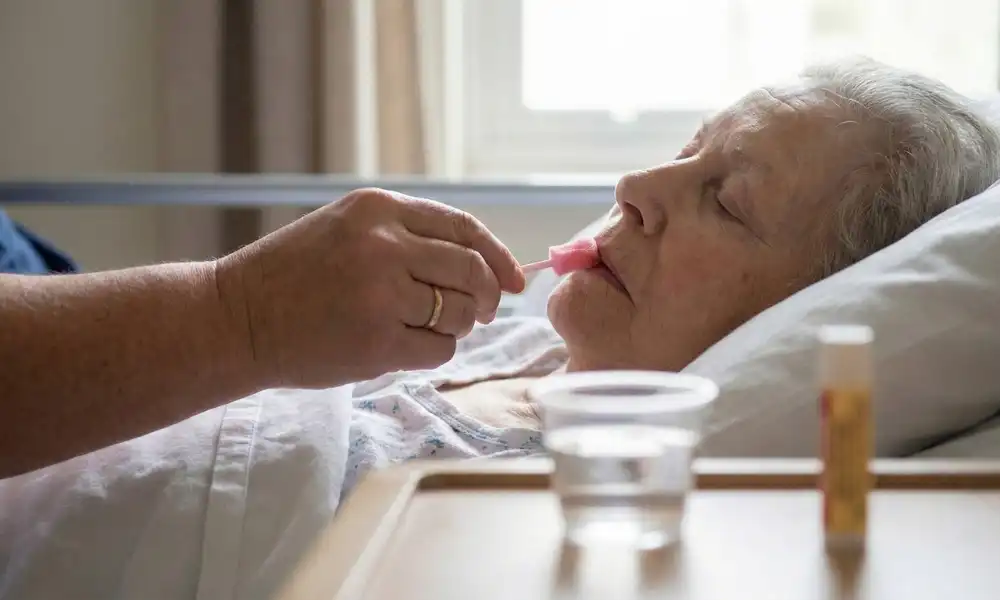
In-home hospice care has become one of the most preferred options for families because it allows patients to remain in a familiar and comforting environment. Being at home often reduces anxiety and creates a more peaceful setting during a very sensitive time.
Instead of repeated hospital visits, care is delivered directly to the patient’s home. This includes nursing visits, medication management, personal care assistance, and emotional or spiritual support.
Families often feel more in control when care happens at home because they can participate more actively in the process. They are also able to spend uninterrupted time together without the stress of hospital routines.
Services like in-home hospice care are designed specifically to support this model of comfort-focused care while ensuring medical needs are fully met.
Understanding Hospice Eligibility in Simple Terms
Hospice eligibility is generally determined by a physician who assesses whether a patient is likely to have six months or less to live if the illness follows its natural course. However, this timeline is not exact and should not be viewed rigidly.
Eligibility is based more on overall decline than a specific date. This includes worsening symptoms, reduced ability to function, and limited response to treatment. Conditions such as advanced cancer, end-stage heart failure, COPD, dementia, and kidney failure often meet hospice criteria when they reach advanced stages.
Families can learn more about this process through resources like hospice eligibility requirements, which explain the clinical and practical considerations involved.
Final Thoughts
Deciding when it is time for hospice care is never easy. It is a deeply emotional decision that often comes during one of the most challenging periods in a family’s life. However, understanding the signs early can help reduce uncertainty and allow families to focus on comfort, dignity, and meaningful time together.
Hospice care is not about giving up—it is about choosing quality of life when cure is no longer possible. It ensures that patients are supported physically, emotionally, and spiritually, while families receive the guidance they need throughout the journey.
Whether support begins early or later in the illness, services like in-patient hospice care and home-based programs ensure that no one has to face this stage alone.
Medical Disclaimer
This article is for educational purposes only and should not replace professional medical advice. Always consult a qualified healthcare provider for diagnosis, treatment decisions, and hospice eligibility evaluation.