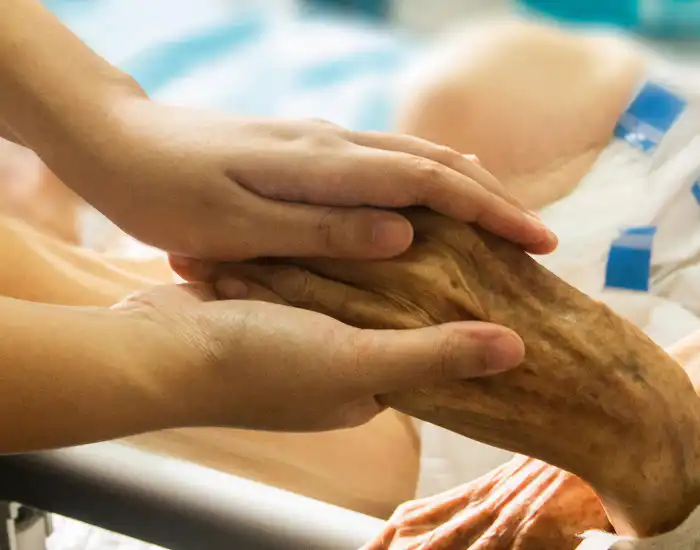
When a loved one is facing a serious or life-limiting illness, one of the most important questions families often ask is whether hospice care can be provided at home. For many people, home represents comfort, familiarity, independence, and connection with loved ones. The idea of remaining in a familiar environment rather than spending time in hospitals or healthcare facilities is often deeply meaningful.
The good news is that hospice care can often be provided right in a patient’s home. In fact, in-home hospice care is one of the most common forms of hospice services available today. It allows patients to receive compassionate medical, emotional, and spiritual support while remaining surrounded by the people, belongings, and memories that matter most.
Many families are surprised to learn how comprehensive home hospice services can be. Hospice is much more than occasional nursing visits. It is a coordinated approach to care that focuses on comfort, dignity, symptom management, and quality of life for both patients and families.
If you’re wondering whether home hospice care might be appropriate for yourself or a loved one, understanding how it works can help you make informed decisions during a challenging time.
Table of Contents
- What Is In-Home Hospice Care?
- How Does Hospice Care Work at Home?
- Who Can Receive Hospice Care at Home?
- What Services Are Included?
- Skilled Nursing Support
- Medical Equipment and Supplies
- Pain and Symptom Management
- Important Note
- Support for Family Caregivers
- Hospice Eligibility Requirements
- Frequently Asked Questions
Important Note
Many families assume hospice care requires moving into a special facility. In reality, most hospice patients receive care wherever they call home. Understanding how home hospice works can help families explore options earlier, reduce stress, and ensure loved ones receive compassionate support focused on comfort and quality of life.
What Is In-Home Hospice Care?
In-home hospice care is a specialized healthcare service designed for individuals facing a life-limiting illness who wish to remain at home while receiving comfort-focused care.
Rather than concentrating on curing an illness, hospice focuses on helping patients live as comfortably and meaningfully as possible. Care plans are individualized and designed to address physical symptoms, emotional needs, spiritual concerns, and family support.
Home hospice care allows patients to stay in familiar surroundings while receiving professional medical oversight and assistance.
For many individuals, remaining at home provides a sense of peace that cannot be replicated in a hospital setting. Being close to family members, pets, favorite belongings, and personal routines often contributes significantly to emotional well-being.
At Sahara Hospice Care, our in-home hospice care services are designed to bring compassionate support directly to patients and families throughout Sugar Land, Houston, and surrounding communities.
How Does Hospice Care Work at Home?
Many people mistakenly believe hospice means around-the-clock medical staff living in the home. While hospice provides extensive support, family caregivers often continue playing an important role in day-to-day care.
Hospice works through a team-based approach. Nurses, hospice aides, social workers, chaplains, and other professionals visit regularly based on the patient’s needs.
The hospice team develops a personalized care plan focused on symptom relief, comfort, and quality of life.
Nurses monitor symptoms, coordinate medications, communicate with physicians, and educate family members about what to expect as the illness progresses.
Hospice professionals are also available to provide guidance and support when new concerns arise.
This collaborative approach allows patients to remain at home while still benefiting from expert medical oversight.
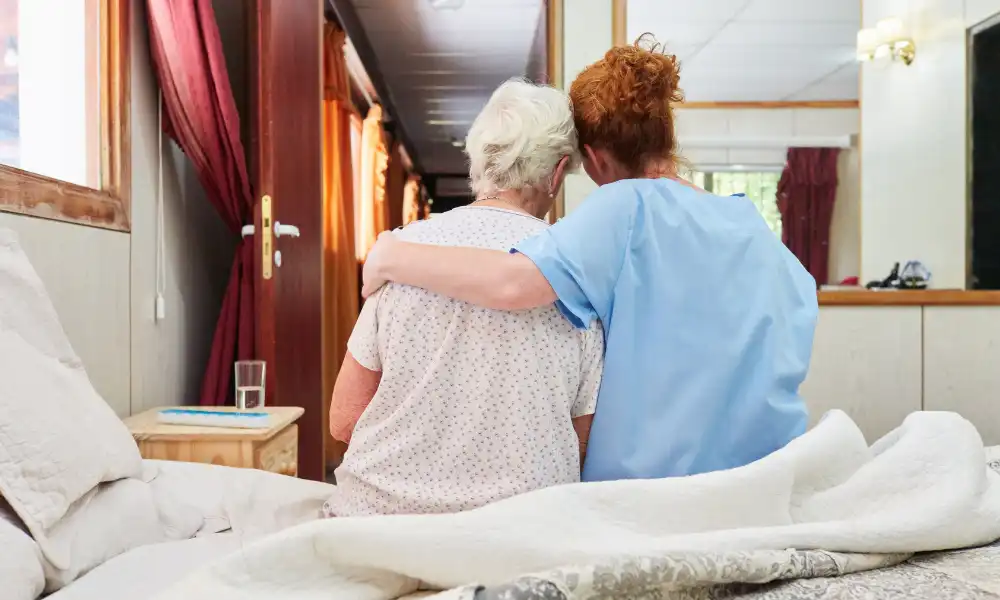
Who Can Receive Hospice Care at Home?
Hospice care is available for individuals facing a life-limiting illness when treatment goals shift from cure-focused care to comfort-focused care.
Patients with advanced cancer, heart failure, COPD, Alzheimer’s disease, dementia, Parkinson’s disease, kidney disease, liver disease, and many other serious illnesses may qualify.
Eligibility is generally based on a physician’s determination that life expectancy may be six months or less if the illness follows its expected course.
However, every situation is unique, and eligibility decisions involve multiple factors.
Families can learn more by reviewing the hospice eligibility requirements and discussing their loved one’s condition with healthcare providers.
Importantly, patients do not have to be bedridden or actively dying to receive hospice care.
Many individuals begin hospice services months before the final stages of life, allowing them to benefit from symptom management and supportive services for a longer period.
What Services Are Included in Home Hospice Care?
One reason hospice provides such meaningful support is the wide range of services available through a coordinated care team.
While exact services may vary based on individual needs, hospice typically addresses physical, emotional, social, and spiritual aspects of care.
The goal is not only to manage symptoms but also to support the patient and family as a whole.
Comprehensive hospice services may include nursing care, personal care assistance, medication management, medical equipment, counseling, spiritual care, caregiver education, and grief support.
Many families are surprised by how much assistance becomes available once hospice services begin.
Skilled Nursing Support
Nurses play a central role in hospice care.
Hospice nurses assess symptoms, monitor changes in condition, coordinate treatment plans, and provide education to patients and caregivers.
They help manage pain, breathing difficulties, nausea, anxiety, fatigue, and many other symptoms associated with serious illness.
Nurses also help families understand what changes may occur as a disease progresses.
This guidance often reduces uncertainty and provides reassurance during difficult moments.
The experienced hospice care team works closely together to ensure each patient receives personalized attention and support.
Medical Equipment and Supplies Delivered to the Home
One major benefit of home hospice care is access to medical equipment and supplies that improve comfort and safety.
Depending on a patient’s condition, hospice may provide hospital beds, wheelchairs, walkers, oxygen equipment, bedside commodes, pressure-relief mattresses, and other essential items.
Medical supplies such as dressings, gloves, incontinence products, and symptom-management materials are often included as part of hospice services.
Having equipment delivered directly to the home reduces stress for families and helps create a safer, more comfortable environment.
Pain and Symptom Management
Effective symptom management is one of the primary goals of hospice care.
Many patients experience pain, shortness of breath, nausea, fatigue, anxiety, insomnia, or other distressing symptoms related to their illness.
Hospice teams specialize in identifying and addressing these concerns using individualized treatment plans.
The focus is always on maximizing comfort and improving quality of life.
For many patients, symptom relief allows them to spend more meaningful time with family, participate in important conversations, and enjoy greater peace of mind.
Support for Family Caregivers
One of the most valuable aspects of hospice care is that it supports not only the patient but also the family members who provide care every day.
Many caregivers find themselves balancing multiple responsibilities at once. They may be helping with medications, transportation, meals, personal care, household tasks, and emotional support while also managing work, children, and their own health needs.
Over time, caregiving can become physically exhausting and emotionally overwhelming.
Hospice teams recognize these challenges and provide education, guidance, and practical support that help caregivers feel more confident and less alone.
Rather than trying to navigate a serious illness by themselves, families gain access to experienced professionals who understand the medical and emotional realities of end-of-life care.
This support often reduces stress and helps caregivers focus on spending meaningful time with their loved one.
Personal Care Assistance
As illnesses progress, many patients need help with activities of daily living.
Tasks such as bathing, dressing, grooming, toileting, and moving safely around the home can become increasingly difficult.
Hospice aides provide compassionate assistance with these personal care needs while helping patients maintain dignity and comfort.
Families often describe this support as one of the most helpful services hospice provides because it reduces physical caregiving demands while ensuring patients receive respectful care.
Having trained professionals assist with personal care also gives family members more opportunities to simply spend quality time together rather than focusing entirely on caregiving responsibilities.
How Hospice Social Workers Help Families
Serious illness often creates challenges that extend beyond physical symptoms.
Families may struggle with difficult decisions, financial concerns, communication issues, emotional stress, or uncertainty about available resources.
Hospice social workers help address these concerns by providing counseling, education, resource coordination, and emotional support.
They often assist families in understanding care options, navigating healthcare systems, and accessing community services when needed.
Social workers also help patients and loved ones discuss important topics related to goals of care, future planning, and personal wishes.
For many families, these conversations provide clarity and reduce anxiety during an emotionally difficult period.
Spiritual and Emotional Support
Facing a life-limiting illness often raises emotional and spiritual questions.
Some individuals reflect on relationships, life experiences, personal beliefs, and what matters most to them. Others may experience fear, sadness, uncertainty, or concerns about the future.
Hospice recognizes that emotional and spiritual well-being are important parts of quality care.
Chaplains and spiritual counselors are available to support patients and families regardless of religious background or beliefs.
The goal is not to impose any specific viewpoint but rather to provide comfort, understanding, and compassionate listening.
Emotional support services help many patients find peace and meaning while helping family members cope with the challenges they face.
Bereavement and Grief Support Services
Hospice care continues supporting families even after a loved one passes away.
Grief is a deeply personal experience, and every person processes loss differently. Some individuals benefit from counseling, support groups, educational resources, or ongoing guidance as they adjust to life after loss.
Many hospice programs offer bereavement services designed to help families navigate the grieving process.
At Sahara Hospice Care, our grief support services are available to help families receive compassionate care before and after the loss of a loved one.
Knowing that support remains available can provide comfort during a difficult transition.
Important Note
Choosing hospice care does not mean giving up hope. In many cases, families find that hospice allows them to focus on a different kind of hope—hope for comfort, meaningful moments, dignity, peace, and quality time together. Hospice care is about living as fully and comfortably as possible during every stage of a serious illness.
What Is the Difference Between Hospice and Palliative Care?
Many people use the terms hospice care and palliative care interchangeably, but they are not exactly the same.
Palliative care is specialized medical care focused on relieving symptoms and improving quality of life for people with serious illnesses. It can be provided at any stage of illness and alongside curative treatments.
Hospice care is a type of palliative care intended for patients whose illness has reached an advanced stage and whose treatment goals are focused primarily on comfort rather than cure.
Both approaches emphasize symptom management, emotional support, and quality of life, but hospice specifically serves patients who meet eligibility requirements related to life expectancy and disease progression.
Understanding these differences helps families choose the most appropriate level of support for their situation.
Common Myths About Home Hospice Care
Several misconceptions prevent families from exploring hospice care when it could be beneficial.
Hospice is only for the last few days of life.
Reality: Many patients receive hospice services for weeks or months. Starting hospice earlier often allows individuals to benefit from symptom management and support for a longer period.
Hospice means giving up.
Reality: Hospice focuses on improving quality of life and helping patients remain as comfortable as possible. It is an active form of care centered on patient needs and goals.
Patients cannot receive hospice at home.
Reality: Most hospice care is actually provided in the patient’s home, allowing individuals to remain in familiar surroundings.
Hospice replaces family caregivers.
Reality: Hospice works alongside family caregivers, providing professional support, education, and assistance rather than replacing loved ones.
Hospice only helps patients.
Reality: Hospice supports the entire family through counseling, education, respite services, and grief support.
When Should Families Consider Hospice Care?
One of the most common questions families ask is when hospice should be considered.
Unfortunately, many people wait until a medical crisis occurs before exploring hospice options.
While hospice can certainly provide support during urgent situations, earlier involvement often leads to better experiences for patients and caregivers.
Some signs that it may be time to discuss hospice include frequent hospitalizations, progressive decline despite treatment, increasing symptom burden, significant weight loss, growing dependence on caregivers, and reduced ability to perform daily activities.
Families who begin these conversations early often have more time to plan, ask questions, and develop care strategies that align with the patient’s wishes.
Reviewing the hospice eligibility requirements can help determine whether hospice may be appropriate.
The Importance of Early Care Planning
Planning ahead allows patients to express their preferences regarding care, treatment goals, and end-of-life wishes.
These discussions can feel difficult, but they often reduce uncertainty and stress for everyone involved.
Families who understand a loved one’s priorities are often better equipped to make healthcare decisions that reflect those wishes.
Resources regarding family planning decisions can help guide these important conversations.
Early planning also provides an opportunity to learn about available services, insurance coverage, and support resources before a crisis develops.

Understanding Different Levels of Hospice Care
Hospice services can adapt as a patient’s needs change.
Some individuals primarily need routine home visits and symptom monitoring, while others may temporarily require more intensive support during periods of medical instability.
Learning about the four levels of hospice care helps families understand how hospice can provide flexible support based on individual circumstances.
This personalized approach ensures that care remains focused on comfort, dignity, and quality of life throughout the patient’s journey.
Who Pays for Hospice Care at Home?
One of the biggest concerns families have when considering hospice care is cost. Many people worry that receiving professional care at home will create a significant financial burden. Fortunately, hospice care is often covered through several insurance programs, making it accessible for many families.
In the United States, Medicare covers hospice care for eligible patients under the Medicare Hospice Benefit. This coverage often includes nursing services, hospice aide visits, medications related to the terminal illness, medical equipment, supplies, counseling services, and bereavement support.
Many Medicaid programs also provide hospice coverage for qualifying individuals. In addition, private insurance plans frequently include hospice benefits, although specific coverage details can vary depending on the policy.
Veterans may also have access to hospice services through Veterans Affairs benefits. Families caring for former military service members should explore available resources through specialized Veterans Care services.
Because every situation is unique, it is helpful to discuss insurance coverage directly with a hospice provider. Understanding available benefits early can eliminate unnecessary stress and help families focus on what truly matters—providing comfort and support for their loved one.
For additional information, families can review Who Pays for Hospice Care? to better understand available payment options and coverage details.
What Home Hospice Care Does Not Typically Provide
While hospice offers extensive support, it is important for families to understand what services are and are not included.
Hospice is not intended to provide continuous 24-hour caregiving in the home. Instead, hospice professionals make scheduled visits and remain available for support and emergencies.
Family members, friends, private caregivers, or facility staff often continue providing much of the day-to-day hands-on care between hospice visits.
Hospice also does not focus on aggressive curative treatments aimed at eliminating the underlying terminal illness. Instead, the emphasis shifts toward symptom management, comfort, emotional support, and quality of life.
Understanding these expectations helps families prepare appropriately and build a care plan that meets their loved one’s needs.
Why Many Families Prefer Hospice Care at Home
Every family is different, but many people find that receiving hospice care at home provides significant advantages.
Home offers familiarity and comfort during a time when patients may feel vulnerable or overwhelmed. Being surrounded by personal belongings, favorite routines, photographs, pets, and loved ones often creates a sense of peace that is difficult to replicate elsewhere.
Home hospice also allows family members greater flexibility to spend meaningful time together. Rather than navigating hospital schedules or institutional environments, families can focus on creating memories, sharing conversations, and supporting one another.
For many patients, remaining at home supports dignity, independence, and emotional well-being throughout the final stages of illness.
The ability to receive professional medical support without leaving home is one reason hospice has become such an important option for individuals facing serious illnesses.
How Hospice Improves Quality of Life
Quality of life means different things to different people.
For some patients, it means having pain well controlled so they can enjoy time with family. For others, it means remaining in a familiar environment, participating in meaningful activities, or maintaining spiritual connections.
Hospice care is designed to identify what matters most to each patient and support those priorities whenever possible.
Through comprehensive symptom management, emotional support, caregiver education, and coordinated care planning, hospice helps patients experience greater comfort and peace.
Families often report that hospice allowed them to focus less on medical crises and more on meaningful moments together.
Rather than simply managing illness, hospice seeks to enhance the overall experience of living during a difficult chapter of life.
In-Home Hospice Care in Sugar Land and Houston, Texas
Families throughout Sugar Land, Houston, Pearland, Richmond, Stafford, and surrounding Texas communities often prefer hospice services that allow loved ones to remain at home.
Sahara Hospice Care is committed to providing compassionate, individualized support for patients facing serious and life-limiting illnesses.
Our experienced hospice care team works closely with patients, families, physicians, and caregivers to develop personalized care plans focused on comfort, dignity, and quality of life.
Whether patients require symptom management, emotional support, spiritual guidance, caregiver education, or assistance navigating healthcare decisions, our team is dedicated to helping families every step of the way.
Through our comprehensive In-Home Hospice Care services, patients can receive expert support while remaining in the comfort of their own homes.
For individuals who may benefit from additional symptom-focused care earlier in the course of illness, our Palliative Care services provide another valuable layer of support.
Frequently Asked Questions About Home Hospice Care
Can hospice care really be provided at home?
Yes. In fact, most hospice patients receive care in their homes. Hospice professionals visit regularly while coordinating symptom management, emotional support, and caregiver education.
Who qualifies for hospice care at home?
Patients with a life-limiting illness who meet hospice eligibility guidelines may qualify. Eligibility is typically based on a physician’s assessment of the patient’s condition and prognosis.
Does hospice provide 24-hour care at home?
Hospice offers extensive support and on-call assistance, but it does not usually provide continuous 24-hour caregiving. Family members, private caregivers, or facility staff often assist with daily care needs between hospice visits.
What services are included in home hospice care?
Services may include nursing care, hospice aides, pain and symptom management, medications, medical equipment, emotional counseling, spiritual support, caregiver education, and bereavement services.
Can patients continue taking medications while on hospice?
Yes. Medications that help manage symptoms and improve comfort are commonly included in hospice care plans.
What is the difference between hospice and palliative care?
Palliative care can be provided at any stage of a serious illness and alongside curative treatment. Hospice care is generally intended for patients whose treatment goals have shifted toward comfort-focused care.
Does Medicare cover hospice care at home?
In many cases, yes. Medicare Hospice Benefits often cover a wide range of hospice services for eligible patients.
How do families know when it is time to consider hospice?
Frequent hospitalizations, progressive decline, increasing symptom burden, significant weight loss, and reduced ability to perform daily activities are common signs that a hospice evaluation may be appropriate.
Conclusion
For many families, the answer to the question “Can hospice care be provided at home?” is reassuringly simple: yes.
Home hospice care allows patients facing life-limiting illnesses to remain in familiar surroundings while receiving comprehensive medical, emotional, and spiritual support. It combines expert symptom management with compassionate guidance for both patients and caregivers.
By focusing on comfort, dignity, and quality of life, hospice helps individuals make the most of their time while providing families with the resources and support they need during a challenging journey.
Whether you are exploring options for yourself or a loved one, learning about hospice early can help you make informed decisions and access valuable support when it matters most.
Medical Disclaimer
This article is intended for informational and educational purposes only and should not be considered medical advice. Every patient and healthcare situation is unique. Always consult a qualified physician, hospice provider, or healthcare professional regarding diagnosis, treatment options, hospice eligibility, and medical decisions related to serious illness or end-of-life care.