Hospice care at home for cancer patients: comfort, dignity, support
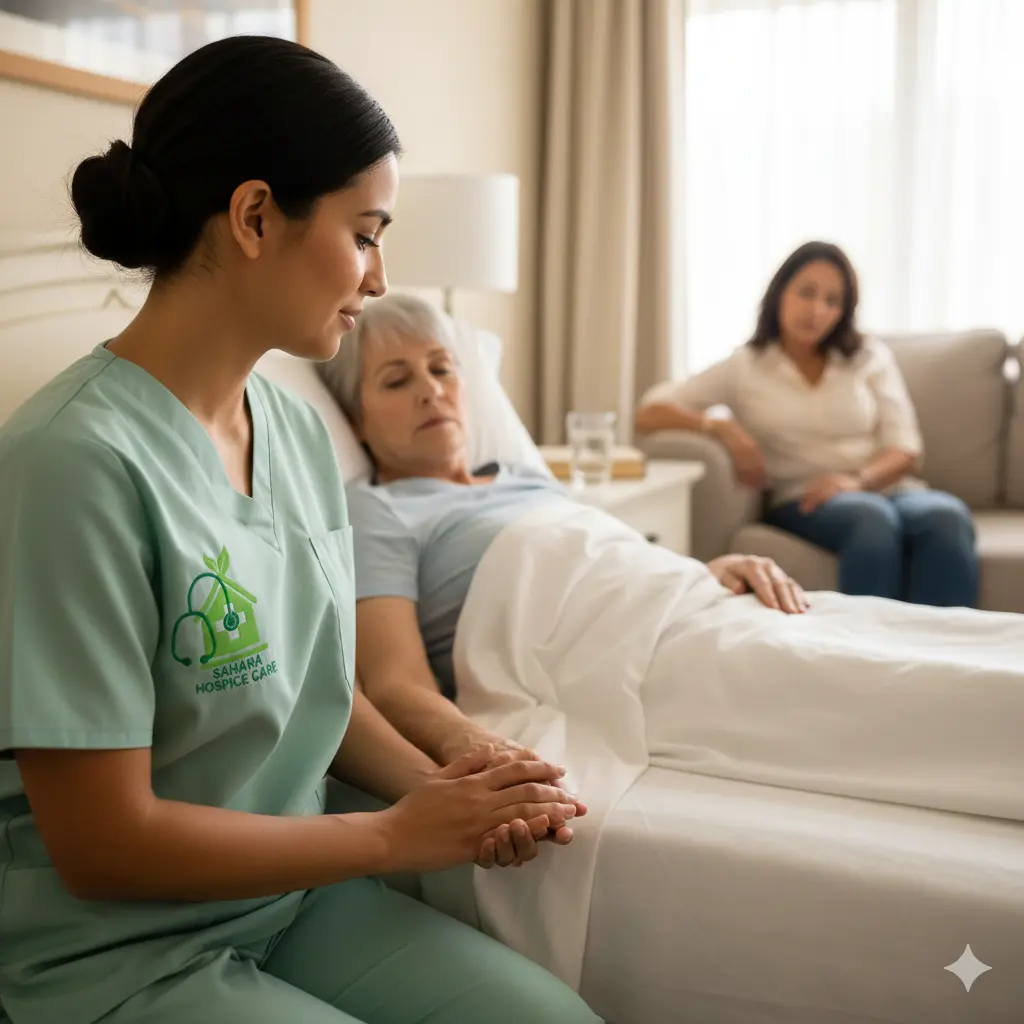
Hospice care at home for cancer patients focuses on comfort, symptom relief, and emotional support when curative treatment is no longer effective. At Sahara Hospice Care, families in Sugar Land, Houston, and surrounding areas can begin services within 24–48 hours. This care model allows patients to remain at home while receiving expert medical, nursing, and psychosocial support.
What is hospice care at home for cancer patients?
Hospice care for cancer is designed for patients with advanced or end-stage disease who are no longer pursuing curative treatment. Instead of frequent hospital visits, care is delivered in the patient’s home by a coordinated team. This team includes hospice nurses, physicians, social workers, chaplains, aides, and volunteers. Because the focus is comfort, care plans emphasize pain control, symptom relief, and emotional well-being. Families also receive education and support so they feel confident providing daily care.
What is hospice care for end-stage cancer patients?
Hospice care for end-stage cancer patients supports individuals whose illness has progressed despite treatment. At this stage, symptoms such as pain, fatigue, breathlessness, or anxiety often increase. Hospice teams address these needs proactively, helping patients remain comfortable and calm at home.
Importantly, hospice does not mean “giving up.” Instead, it means shifting goals toward quality of life and meaningful time with loved ones.
When is the right time to consider hospice for a cancer patient?
Families often ask this question during periods of rapid health decline. Hospice is typically appropriate when a physician estimates a life expectancy of six months or less if the disease follows its usual course. However, earlier referrals often lead to better symptom control and family satisfaction.
Signs may include frequent hospitalizations, uncontrolled pain, weight loss, or difficulty with daily activities. Discussing hospice early helps families plan with clarity rather than urgency.
How can hospice help end-stage cancer patients?
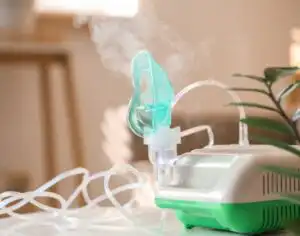
Hospice teams manage pain and symptoms using evidence-based approaches. Nurses make regular home visits, while physicians adjust medications as needs change. In addition, equipment such as hospital beds or oxygen is delivered directly to the home.
According to the National Cancer Institute, hospice care can reduce symptom burden and improve patient comfort during advanced cancer. This authoritative guidance reinforces the value of hospice in late-stage disease.
How can hospice help the family of a cancer patient?
Hospice supports caregivers as much as patients. Families receive training on medication administration, symptom monitoring, and personal care. As a result, caregivers feel less overwhelmed and more confident.
Emotional and spiritual counseling is also available. After the patient’s passing, bereavement support continues for loved ones for up to 13 months.
What are the overall benefits of hospice care?
Hospice care for cancer patients reduces unnecessary hospital visits while improving comfort and dignity. Patients often report better pain control, while families experience less stress and clearer communication.
Because care is coordinated, changes in condition are addressed quickly. This responsiveness is especially valuable during the final weeks or months of life.
What outcomes do families see with home hospice care?
Case 1 (3 weeks): A 68-year-old patient with metastatic lung cancer experienced severe pain and anxiety. Within one week of starting hospice care at home, pain scores decreased significantly, and hospital visits stopped entirely.
Case 2 (6 weeks): A patient with advanced breast cancer and her daughter reported improved sleep and reduced caregiver stress after hospice began. By week four, symptoms were stable, and the family felt supported around the clock.
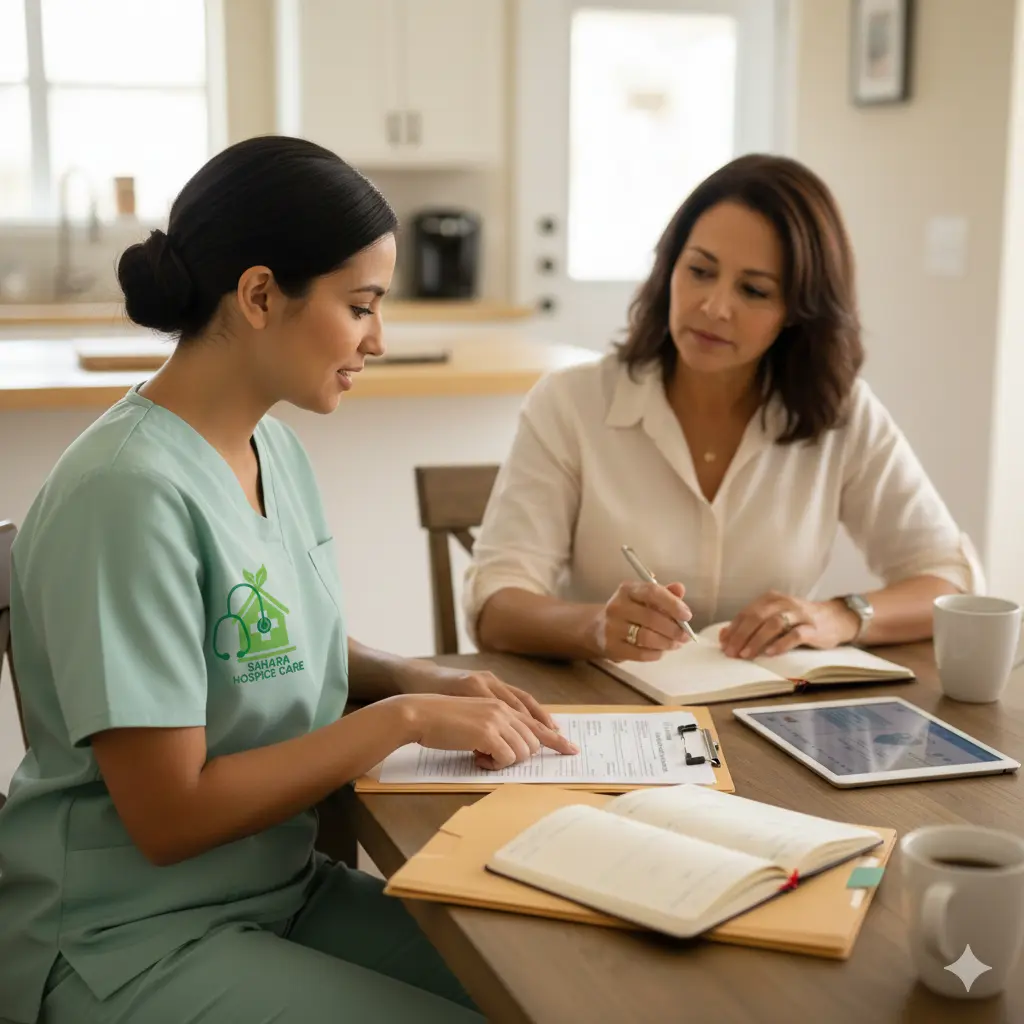
FAQs: What and how families ask about hospice care
What should families know about home hospice care for cancer patients?
Families should know that hospice provides 24/7 on-call support, regular visits, and medical equipment at home. Care plans are individualized and adjusted as needs change.
What are the benefits of choosing hospice care for a terminal cancer patient, and how does it help with pain management?
Hospice specializes in pain and symptom control. Teams use medications, non-drug therapies, and ongoing assessment to keep patients comfortable and alert.
How do families decide when it is time to transition a terminal cancer patient into hospice care?
Families consider disease progression, symptom burden, and treatment goals. Conversations with physicians and hospice clinicians help guide this decision.
When should a cancer patient go to hospice?
Hospice is appropriate when curative treatment is no longer effective or desired and comfort becomes the primary goal.
Why do caregivers prefer hospice care at home for cancer patients?
Many caregivers prefer home hospice because it allows loved ones to remain in familiar surroundings while receiving professional support.
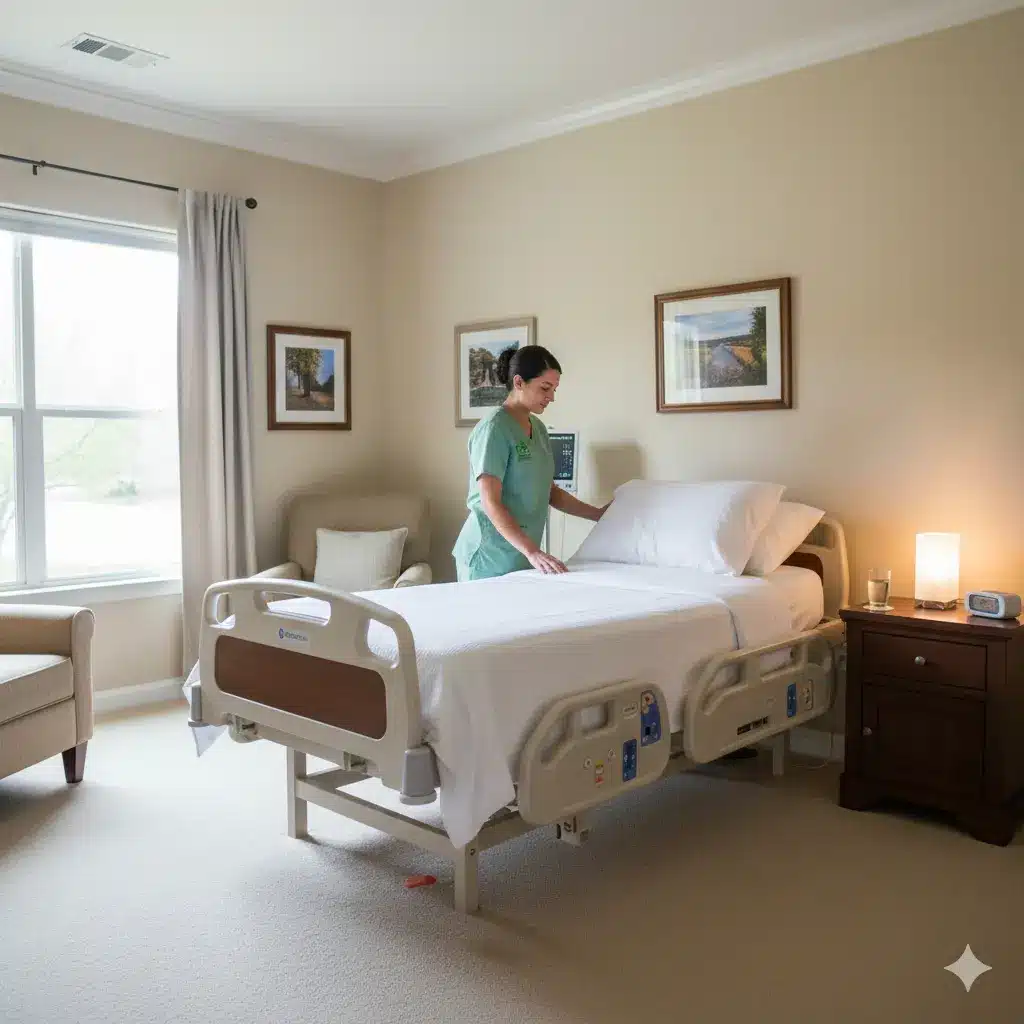
Why choose Sahara Hospice Care in Sugar Land and Houston?
Sahara Hospice Care provides compassionate, locally focused In Home Hospice Care and In-Home Palliative Care Services for cancer patients. As a Trusted Hospice Sugar Land provider, our interdisciplinary team serves Sugar Land, Houston, and nearby communities with rapid start times and highly personalized care delivered in the comfort of home.
Call: 281-313-0085
Visit: 140 Eldridge Rd, Suite B1, Sugar Land, TX 77478
Email: info@saharahospicecare.com
Book an Appointment: https://saharahospicecare.com/contact-us/
Find us on Google Map
Author: Alan Jacob — Medical Writer.
Call Sahara Hospice at (281) 313-0085 to schedule a local intake and home assessment.
More Guides on This Topic
Reviewed by the Sahara Hospice Care Team · Last reviewed: October 18, 2026
Related Hospice Care Resources
References
- Choices for Care with Advanced Cancer — National Cancer Institute
- Cancer — MedlinePlus, U.S. National Library of Medicine
- Hospice Care — MedlinePlus, U.S. National Library of Medicine
Medical disclaimer: This article is for general educational purposes only and is not medical advice. It does not replace a consultation with a physician or a patient’s own care team. Hospice eligibility and coverage depend on each person’s situation. In an emergency, call 911. For questions about hospice care in Sugar Land or Greater Houston, call Sahara Hospice Care at (281) 313-0085.