
Palliative Wound Care: Comfort, Dignity, Relief
Palliative Wound Care focuses on comfort, symptom relief, and dignity when wounds are unlikely to fully heal. At Sahara Hospice Care, our team provides timely, compassionate wound support across Sugar Land, Houston, and surrounding areas—often starting within 24–48 hours—so patients and caregivers are never left managing pain alone.
What Is Palliative Wound Care?
Palliative wound care supports patients with advanced illness, frailty, or limited healing potential.
Rather than pursuing frequent debridement or aggressive procedures, clinicians focus on comfort, infection control, and emotional well-being. As a result, care plans are individualized and adjusted as symptoms change.
This approach is common in hospice and serious illness care, especially for pressure injuries, arterial or venous ulcers, malignant wounds, and non-healing surgical wounds. Importantly, goals are guided by the patient and family—what matters most today.
Palliative Approach to Wound Care: How It Differs
A palliative approach to wound care shifts the goal from “closing the wound” to “reducing suffering.”
Therefore, treatment choices are simpler, gentler, and more consistent with comfort.
- Pain control before, during, and after care
- Odor and exudate management to protect dignity
- Fewer disruptive dressing changes
- Psychosocial support for patient and caregivers
For ongoing clinical oversight, our team coordinates with hospice physicians and nurses.
Learn more about our hospice nursing services that support symptom-guided care plans.
Who Benefits Most From Palliative Wound Care?
This care model is ideal for patients with advanced cancer, end-stage organ disease, severe immobility, or dementia where wounds cause distress.Likewise, caregivers benefit from clear guidance and fewer urgent crises.
Directors of Nursing (DONs) and facility teams often choose palliative wound care to reduce hospital transfers and improve resident comfort.
Palliative Wound Care in Practice
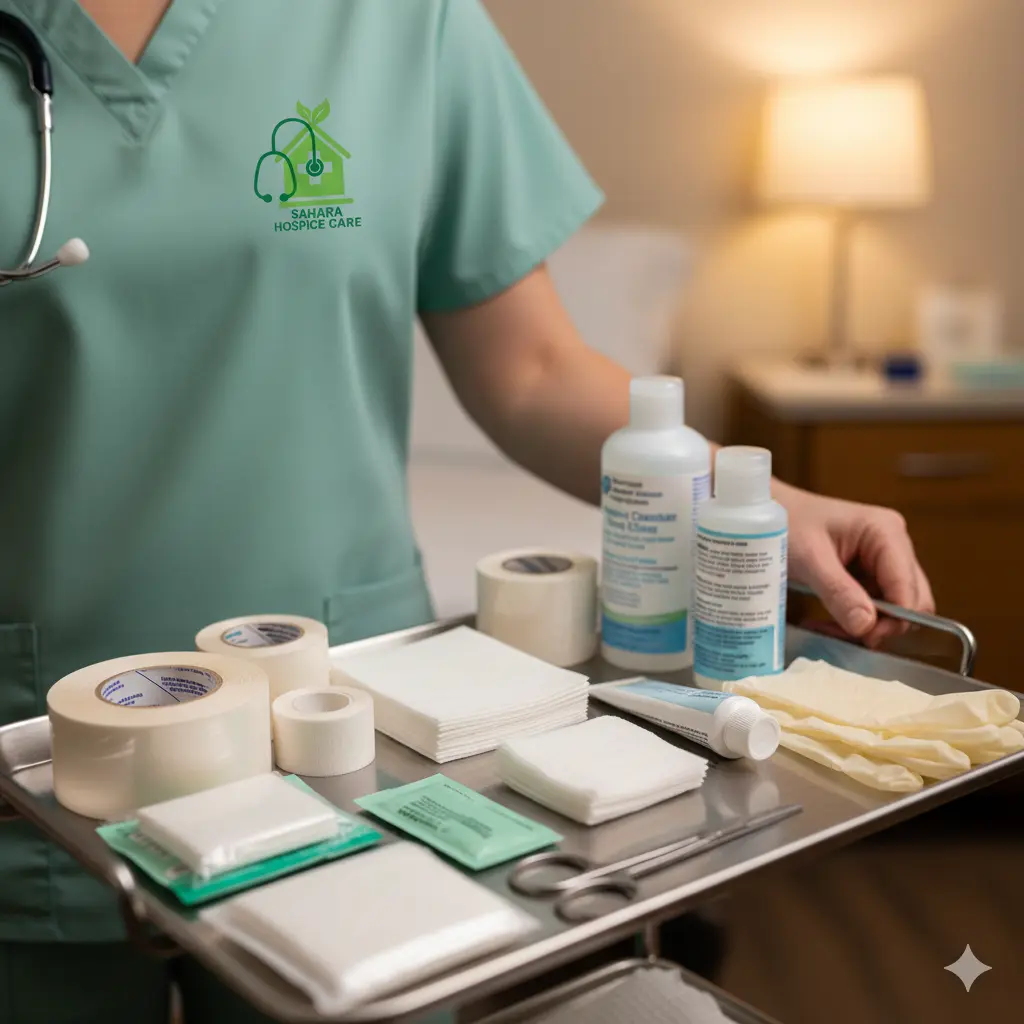
Care plans may include moisture-balancing dressings, topical analgesics, gentle cleansing, and infection-risk monitoring. Meanwhile, clinicians reassess frequently to match care intensity with current goals.
According to the National Institute on Aging, palliative care improves comfort and quality of life for people with serious illness by addressing physical and emotional symptoms together
(NIA).This guidance directly informs ethical wound management decisions.
Mini Case Studies: Realistic Outcomes
Case 1: Pressure Injury Relief (3 weeks)
Before: Severe sacral wound pain during dressing changes; frequent agitation.
After: Pain scores reduced by 50%, odor controlled, calmer care routines within three weeks using comfort-focused dressings.
Case 2: Malignant Wound Support (2 weeks)
Before: Heavy drainage and social withdrawal.
After: Improved exudate control and odor reduction within two weeks, allowing family visits with confidence.
FAQs About Palliative Wound Care
Is palliative wound care the same as hospice care?
No. Palliative wound care can be provided at any stage of serious illness, while hospice care is for patients with a limited prognosis who choose comfort-focused care.
Does palliative wound care mean stopping treatment?
Not at all. It means choosing treatments that reduce suffering and align with patient goals, rather than aggressive interventions.
Can infections still be treated?
Yes. Infections are managed when they cause discomfort or distress, using the least burdensome methods possible.
Who performs palliative wound care at home?
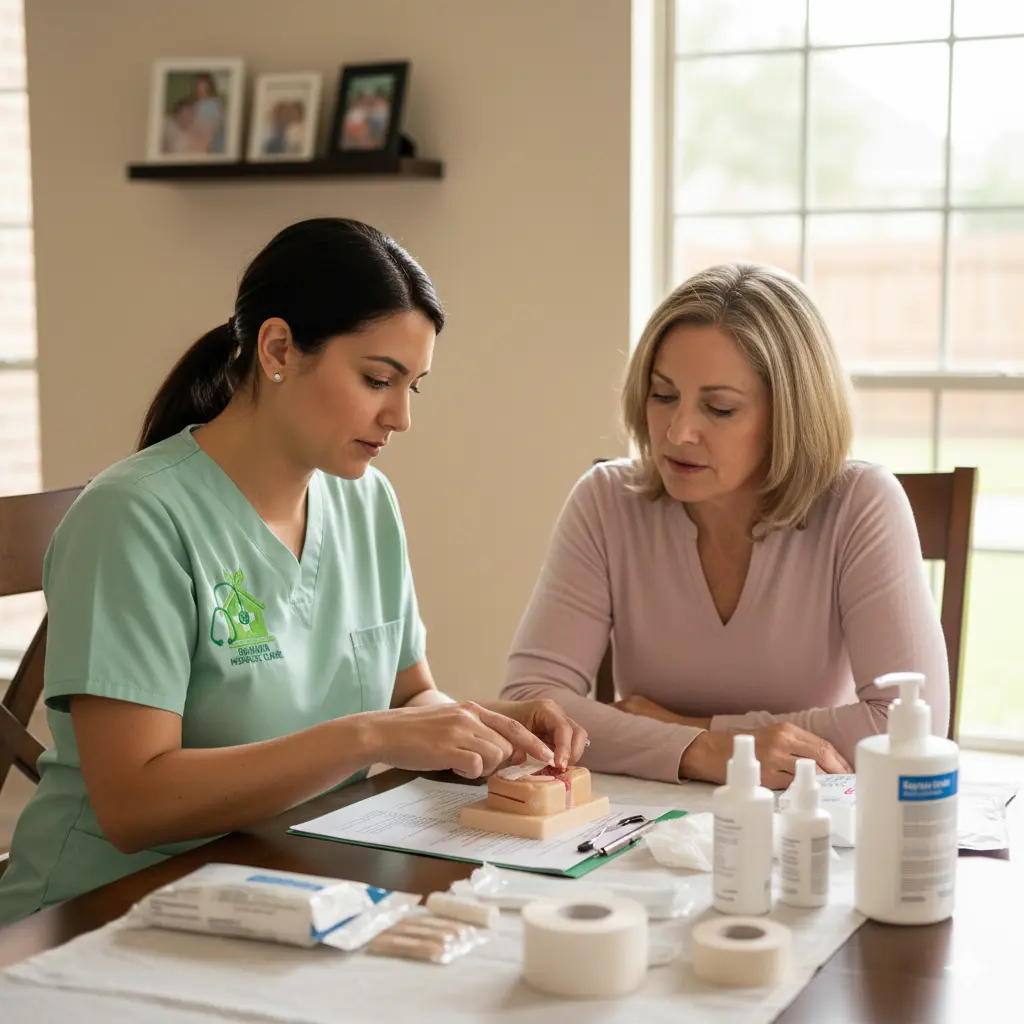
Specially trained hospice nurses, supported by physicians and wound consultants, provide care and caregiver education.
How often are dressings changed?
Frequency is reduced when possible to limit pain, while still maintaining comfort and hygiene.
Is palliative wound care available in Sugar Land and Houston?
Yes. Sahara Hospice Care serves Sugar Land, Houston, and nearby communities with in-home services.
Why Choose Sahara Hospice Care?
Sahara Hospice Care delivers compassionate, ethical In-Home Palliative Care Services , including palliative wound care guided by patient goals. Our clinicians support families, facilities, and nurses with clear communication and rapid response.
Call for Compassionate Support Today
If you’re caring for someone with a painful or non-healing wound, help is available.
Call Sahara Hospice Care at 281-245-9977 to discuss palliative wound care options in Sugar Land and Houston.
Address: 140 Eldridge Rd, Suite B1, Sugar Land, Texas 77478
Email: info@saharahospicecare.com
Website: https://saharahospicecare.com/
Educational content only; follow clinician’s individualized plan; call 911 for emergencies.
Find us on Google Map
Author: Alan Jacob — Medical Writer.
Primary locale: Sugar Land, Houston & surrounding areas.
Primary action: Call Sahara Hospice at (281) 245-9977 to schedule a local intake and home assessment.