Residential Hospice Care: Comfort-Focused Support for Every Stage
Residential hospice care gives patients a peaceful, home-like place to receive 24/7 comfort care when symptoms become difficult to manage at home. Families in Sugar Land, Houston, and nearby communities often choose this option when they want nursing oversight, emotional support, and a calm environment. At Sahara In-Hospice Care , most patients begin services within 24–48 hours.
What Is Residential Hospice Care?
Residential hospice care—sometimes called hospice residential care—is a level of support designed for patients who need continuous oversight in a serene, facility-based setting. Unlike hospital care, the goal is not cure. Instead, care focuses on comfort, dignity, and meaningful time with loved ones.
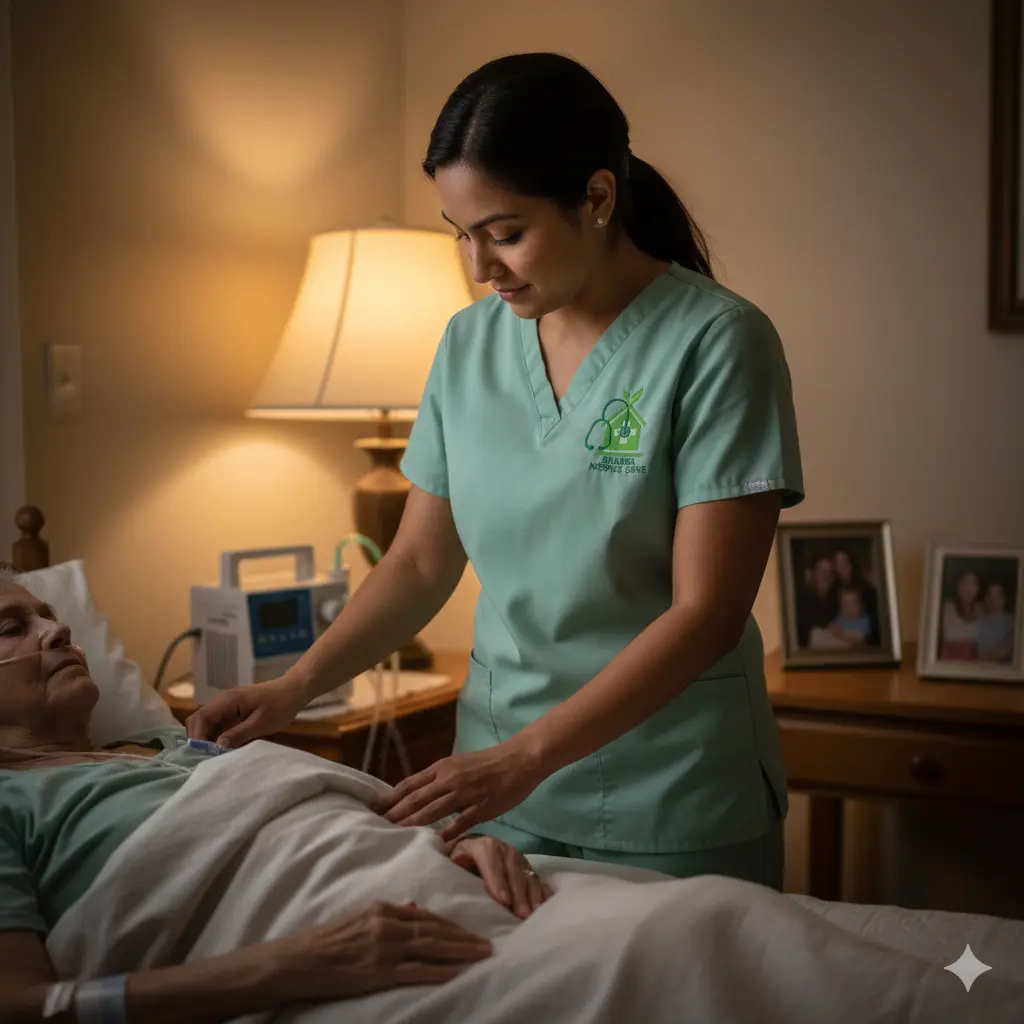
Patients receive round-the-clock monitoring from nurses, aides, social workers, chaplains, and physicians. Families benefit from knowing someone is always available to assess breathing, adjust pain medication, assist with mobility, or support emotional needs.
Who Benefits Most From Residential Hospice?
- Have complex symptoms (pain, nausea, shortness of breath, agitation).
- Cannot safely receive care at home due to caregiver limitations.
- Prefer a calm, structured environment with medical staff nearby.
- Need frequent medication adjustments or 24/7 nursing observation.
Care is individualized based on daily assessments, ensuring each patient’s comfort improves over time — a key part of What is Comfort Care? and how it supports quality of life
Key Services Included in Residential Hospice Facilities
24/7 Nursing and Symptom Management
Nurses monitor changes in condition, adjust medications, and communicate with physicians. Because care is continuous, symptoms such as pain or anxiety are addressed quickly.
Personal Care and Daily Living Support
Aides help with bathing, dressing, toileting, positioning, and mobility. This relieves families and ensures the patient stays clean, comfortable, and safe.
Emotional, Spiritual, and Social Support
Social workers, chaplains, and volunteers offer supportive conversations, guided family meetings, life review activities, and companionship to reduce stress for everyone involved.
Medication and Equipment Management
All medications related to the illness are coordinated through the hospice team. Equipment such as oxygen, specialty beds, and mobility aids is maintained on-site.
Peaceful, Home-Like Environment
Rooms are quiet, private, and designed around comfort rather than medical complexity. Families often describe the setting as a “home away from home.”
What to Expect When Moving to Residential Hospice
- Hospice nurse evaluates needs and symptoms.
- Care plan is created with the patient and family.
- The patient moves into a private room.
- Medications and comfort measures begin immediately.
- Family receives ongoing updates and support.
This process typically takes less than 24 hours once a referral is accepted.
Illustrative Examples
The examples below are composites written to illustrate how hospice and palliative care can help. They do not describe actual Sahara Hospice Care patients, and every person’s care plan and experience is different.
Case 1: Rapid Symptom Relief (48 Hours)
Before: Mr. L., a 76-year-old with advanced heart failure, struggled with severe shortness of breath at home. His wife felt overwhelmed.
After: Within 48 hours of moving into residential hospice, oxygen therapy and medication adjustments stabilized his breathing. His wife reported feeling “present again” instead of constantly fearful.
Case 2: Improved Comfort and Family Time (1 Week)
Before: Ms. R., living with late-stage cancer, experienced uncontrolled pain and confusion. Her daughter could not provide the 24/7 care needed.
After: A week in the residential hospice facility brought improved comfort, restful sleep, and fewer episodes of agitation. The family spent more meaningful time together instead of managing crisis moments.
How Residential Hospice Care Supports Families
Families often describe this level of care as a relief. Instead of focusing on caregiving tasks, they can focus on love, closure, and peace. Staff guide families through emotional decisions, provide education, and prepare them for each stage of the journey.
Residential hospice also helps reduce caregiver burnout—an important factor highlighted by the National Institute on Aging, which emphasizes the value of supportive care resources for families.
Residential Hospice Care vs. Home Hospice
- Location: Residential hospice is facility-based; home hospice occurs in the patient’s home.
- Intensity: Residential hospice offers 24/7 nurse availability.
- Caregiver Role: Home hospice relies heavily on family involvement, while residential hospice provides full-time caregiving.
Cost and Coverage
Medicare, Medicaid, and most private insurance plans cover residential hospice services when eligibility criteria are met. Coverage typically includes room and board during short-term stays for symptom management. Sahara’s admissions team helps families understand benefits step-by-step.
FAQs About Residential Hospice Care
1. How long can someone stay in residential hospice?
Patients may stay as long as they meet hospice criteria.
2. Is residential hospice the same as a nursing home?
No. Residential hospice focuses solely on comfort and quality of life.
3. Can families visit anytime?
Yes, visitors are welcome 24/7.
4. Do patients still see their regular doctor?
Yes, if the family wishes.
5. What happens if symptoms improve?
Some patients move back to home hospice.
6. Is spiritual care required?
No, it is optional.
7. How do we start residential hospice care?
A simple referral begins the process. Sahara Hospice can start care in 24–48 hours.
7. What Services Does Hospice Provide?
Hospice provides pain and symptom management, 24/7 nursing support, medical equipment, medications, emotional and spiritual counseling, personal care, respite care, and family/bereavement support. Know more
Contact Sahara Hospice Care
For compassionate, timely support in Sugar Land, Houston, Katy, Pearland, and surrounding areas, contact us today.
Phone: 281-313-0085
Address: 140 Eldridge Rd, Suite B1, Sugar Land, TX 77478
Email: info@saharahospicecare.com
Website: saharahospicecare.com

Find Us on Google Maps
Author: Alan Jacob / Medical Writer. Last reviewed: .
More Guides on This Topic
Reviewed by the Sahara Hospice Care Team · Last reviewed: October 18, 2026
Related Hospice Care Resources
References
- Hospice care coverage — Medicare.gov
- Medicare Hospice Benefits (official booklet) — Medicare.gov
- Hospice Care — MedlinePlus, U.S. National Library of Medicine
Medical disclaimer: This article is for general educational purposes only and is not medical advice. It does not replace a consultation with a physician or a patient’s own care team. Hospice eligibility and coverage depend on each person’s situation. In an emergency, call 911. For questions about hospice care in Sugar Land or Greater Houston, call Sahara Hospice Care at (281) 313-0085.