

Watching a loved one battle a serious illness can be emotionally overwhelming. Families often ask themselves, “Am I doing enough?” or “Is it time to seek additional support?” Making the decision to transition to hospice care is rarely easy, but recognizing certain signs can help families provide comfort, dignity, and holistic support during this critical stage. Hospice care is designed to improve quality of life for patients with terminal illnesses while supporting families emotionally, spiritually, and practically. By focusing on symptom management, emotional care, and end-of-life support, hospice ensures that patients live their final months or weeks with dignity and comfort. This guide will help families understand the signs that it may be time to consider hospice care, explain how hospice differs from palliative care, and provide practical guidance on next steps.
Table of Contents:
- What Is Hospice Care?
- Understanding the Benefits of Hospice Care
- Signs It Might Be Time to Consider Hospice Care
- Physical Indicators: Health Changes That Signal the Need for Hospice
- Emotional and Cognitive Signs
- Managing Daily Life and Care Needs
- Family Considerations: When Support Becomes Essential
- How Sahara Hospice Care Helps Families Navigate Hospice Care
- Frequently Asked Questions About Hospice Care
- Closing Reassurance and Next Steps
1. What Is Hospice Care?
Hospice care is a specialized form of healthcare for individuals who are facing a terminal illness, usually when curative treatments are no longer effective or desired. The goal of hospice is not to cure the disease but to enhance comfort, dignity, and quality of life. In addition to medical care, families also receive compassionate grief support to help them navigate emotional challenges before and after the loss of a loved one.
Hospice care includes:
- In-home support with 24/7 availability
- Pain and symptom management for physical comfort
- Emotional counseling for patients and families
- Spiritual support tailored to individual beliefs
- Guidance and education for families on end-of-life care
Unlike standard medical care, hospice focuses on the whole person—addressing physical, emotional, and spiritual needs. Care is personalized, ensuring that each patient’s preferences and values are honored.
For families seeking compassionate in-home hospice care, Sahara Hospice provides comprehensive services across Houston, Sugar Land, Pearland, Stafford, and Richmond.
2. Understanding the Benefits of Hospice Care
Hospice care offers numerous benefits that go beyond medical treatment:
- Enhanced Comfort: Advanced pain management ensures that patients experience less physical discomfort.
- Emotional Support: Counseling and support groups help both patients and families cope with the emotional challenges of terminal illness.
- Spiritual Guidance: Chaplains and spiritual counselors provide meaning, hope, and closure.
- Family Education: Caregivers receive guidance on daily care, symptom tracking, and what to expect during the final stages.
- Peace of Mind: Families gain reassurance knowing that their loved one is receiving attentive, professional care around the clock.
Hospice care transforms the final phase of life into a period of peace, dignity, and meaningful connection, allowing families to focus on quality time together rather than medical uncertainty.
Families can learn more about personalized comfort care plans available through Sahara Hospice Care.
3. Signs It Might Be Time to Consider Hospice Care
Knowing when to transition to hospice care can be challenging. While each patient’s journey is unique, certain physical, emotional, and practical signs often indicate that hospice care may be appropriate:
- Frequent Hospitalizations: Repeated trips to the hospital for treatment, symptom management, or emergencies may signal that home-based hospice care is needed.
- Declining Ability to Perform Daily Activities: Difficulty eating, bathing, dressing, or moving without assistance can indicate advanced illness.
- Weight Loss or Weakness: Unintentional weight loss, fatigue, or decreased energy often reflect disease progression.
- Increased Pain or Symptoms: Chronic pain, shortness of breath, or nausea that cannot be fully managed by current treatments may suggest hospice is beneficial.
- Emotional or Cognitive Changes: Withdrawal, confusion, anxiety, or depression can indicate a need for holistic support.
- Family Overwhelm: When caregiving becomes physically, emotionally, or mentally exhausting, hospice professionals can provide essential relief and guidance.
Sahara Hospice Care specializes in supporting patients and families when these signs appear, ensuring 24/7 in-home hospice care is available.
4. Physical Indicators: Health Changes That Signal the Need for Hospice
Physical changes often serve as the most obvious indicators that hospice care may be needed. These include:
- Severe or persistent pain that is difficult to control with standard medications
- Breathing difficulties, including chronic shortness of breath or oxygen dependency
- Reduced mobility, leading to bed-bound or wheelchair-bound status
- Loss of appetite or difficulty swallowing, resulting in nutritional concerns
- Frequent infections or hospitalizations, signaling declining health
Hospice nurses are trained to manage these symptoms, provide comfort measures, and educate families on monitoring changes effectively.
5. Emotional and Cognitive Signs
Beyond physical symptoms, emotional and cognitive changes often accompany terminal illness. These may include:
- Anxiety or depression: Patients may feel fear or sadness about their illness or impending death.
- Withdrawal or isolation: Reduced social interaction can indicate emotional distress.
- Confusion or delirium: Cognitive decline may affect memory, judgment, or awareness.
- Restlessness or agitation: Difficulty sleeping or pacing can signal discomfort or distress.
Hospice care addresses these issues through counseling, emotional support, and spiritual guidance, creating a safe and comforting environment for patients.
Families can find additional support through Sahara Hospice Care’s grief support groups, which help caregivers process emotions and cope with anticipatory grief.
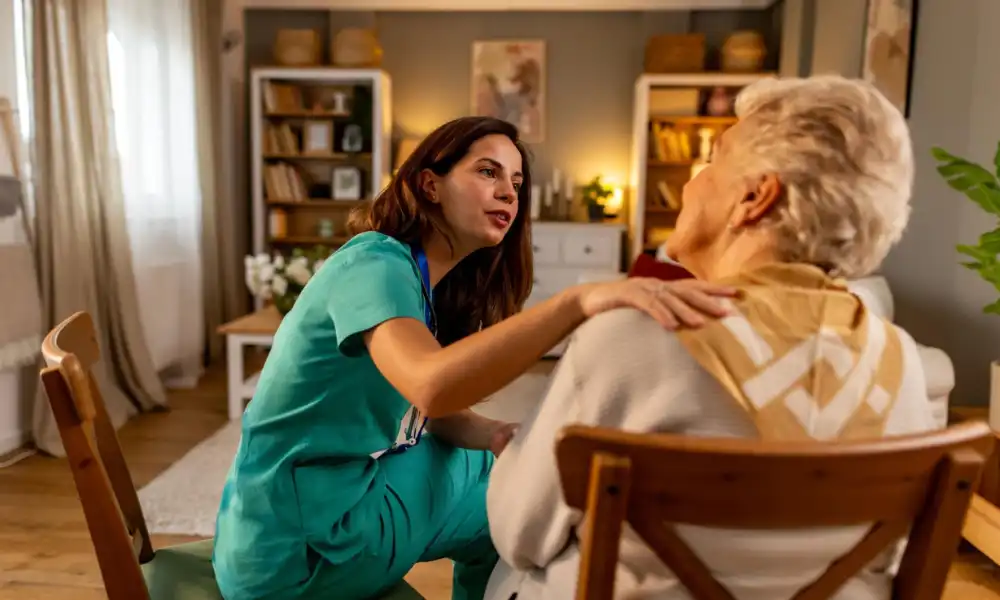
6. Managing Daily Life and Care Needs
Caring for a terminally ill loved one at home can be challenging. Hospice care helps families manage daily responsibilities while maintaining the patient’s comfort and dignity:
- Assistance with bathing, dressing, and personal hygiene
- Support with meal preparation and feeding
- Medication management and monitoring
- Guidance on safe mobility to prevent falls
- Coordination with doctors and healthcare providers for ongoing care
Hospice professionals work closely with families to create a realistic and manageable care plan, ensuring that the patient’s physical, emotional, and spiritual needs are met.
7. Family Considerations: When Support Becomes Essential
Families play a central role in caring for a terminally ill loved one, but caregiving can be overwhelming. Hospice care supports families by:
- Offering respite care to prevent caregiver burnout
- Providing emotional counseling and guidance
- Helping families understand what to expect in the final weeks or days
- Assisting with practical arrangements such as medical equipment or home modifications
Recognizing that caregiver well-being is crucial for patient comfort is a core principle of hospice care. Professional support ensures that families can focus on quality time and meaningful connection with their loved one.
8. How Sahara Hospice Care Helps Families Navigate Hospice Care
At Sahara Hospice Care, families in Houston and Sugar Land receive compassionate, professional hospice support tailored to each patient’s needs:
- Expert symptom management: Pain relief, fatigue management, and assistance with other distressing symptoms
- 24/7 in-home support: Nurses and caregivers are available around the clock for emergencies or daily care needs
- Emotional and spiritual care: Counseling, chaplain visits, and grief support for both patients and families
- Veterans care programs: Honoring military service while providing personalized end-of-life support
- Customized care plans: Each patient receives a plan tailored to their medical, emotional, and spiritual requirements
Families can request care online or contact Sahara Hospice Care at (281) 313-0085 to begin compassionate hospice support.
9. Frequently Asked Questions About Hospice Care
Q1. Is hospice care only for the elderly?
No. Hospice care supports patients of any age who are facing a terminal illness.
Q2. Can patients continue medications or treatments while in hospice?
Hospice focuses on comfort, but some medications may continue if they enhance quality of life.
Q3. How is hospice care different from palliative care?
Palliative care can begin at any stage of illness to manage symptoms, while hospice is specifically for end-of-life support.
Q4. Will hospice care help my family cope emotionally?
Yes. Families receive counseling, guidance, and access to grief support groups to manage emotional challenges.
Q5. How soon should we consider hospice care?
It’s often best to consider hospice when symptoms become difficult to manage at home, frequent hospitalizations occur, or the patient’s overall health declines.
10. Closing Reassurance and Next Steps
Deciding to transition to hospice care is a deeply personal choice, but it can transform the final stages of life into a period of comfort, dignity, and meaningful connection. By addressing physical, emotional, and spiritual needs, hospice care allows patients to live their remaining time with peace and families to feel supported.
With professional guidance from Sahara Hospice Care, families in Houston, Sugar Land, and surrounding areas can ensure their loved ones receive compassionate, patient-centered care every step of the way.
Medical Disclaimer: This article is for educational purposes only and does not replace professional medical advice. Always consult a qualified healthcare provider regarding specific concerns.
More Guides on This Topic
Reviewed by the Sahara Hospice Care Team · Last reviewed: October 18, 2026
Related Hospice Care Resources
References
- End of Life Issues — MedlinePlus, U.S. National Library of Medicine
- Hospice Care — MedlinePlus, U.S. National Library of Medicine
- Hospice Foundation of America — Hospice Foundation of America
Medical disclaimer: This article is for general educational purposes only and is not medical advice. It does not replace a consultation with a physician or a patient’s own care team. Hospice eligibility and coverage depend on each person’s situation. In an emergency, call 911. For questions about hospice care in Sugar Land or Greater Houston, call Sahara Hospice Care at (281) 313-0085.